Germany launches complex rescue to tow weakened humpback whale Timmy from shallow Baltic Sea near Wismar to the North Sea.
Rescuers in Germany have launched a complex operation to save a sick humpback whale that has been repeatedly stranded in the Baltic Sea, drawing widespread public attention across the country. I was scrolling through my favourite news apps when I saw the headline pop up as breaking news, and instantly, I felt a tug at my heart. It’s not every day you hear about a massive whale stuck near a small town, and the whole nation seemed glued to the unfolding drama.
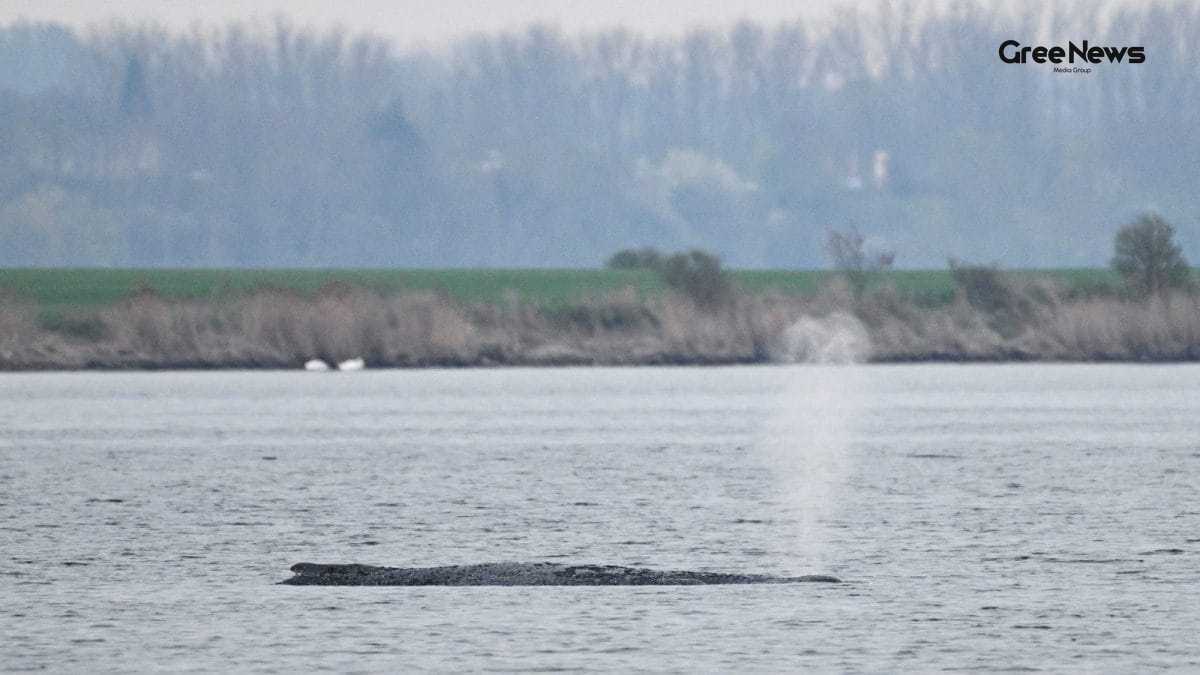
The whale, nicknamed “Timmy” by local media, has been lying in shallow waters near the eastern town of Wismar for days, barely moving and showing signs of severe weakness. Experts warned the animal may not survive without urgent intervention. Honestly, watching those livestreams where Timmy barely flapped his massive tail made me think of how fragile life can be, even for such a gigantic creature.
How the whale got here
Timmy was first spotted in the Baltic Sea early this year, far from its usual habitat. Marine experts say the whale may have strayed off course while following a shoal of fish or during migration. I remember a friend in Berlin telling me about how the Baltic’s low salinity and enclosed geography are tough for big ocean species. It’s like trying to drive a big truck on a narrow, winding lane the whale simply got lost in a place it wasn’t built for.
The Baltic Sea’s low salinity and enclosed geography make it a difficult environment for large ocean species like humpback whales, complicating any attempt to navigate back to open waters. In most cases, these whales rely on salty, deep waters to support their massive bodies, and the Baltic just isn’t made for that.
Repeated rescue attempts fail
Authorities have already made multiple attempts to refloat the whale using police boats, excavators and inflatable vessels. While these efforts briefly freed Timmy, the animal was unable to find its way back toward the North Sea and became stranded again. I saw a clip where a small inflatable boat tried to nudge Timmy, and the whole thing looked like a scene from a movie, but the reality was far more heartbreaking.
Measuring between 12 and 15 metres, the whale now faces a daunting journey of several hundred kilometres to reach safer waters a task experts say is increasingly unlikely as it grows weaker. It struck me that even a creature as large as Timmy can become helpless when cut off from its natural route, something that sparked a lot of conversation in the trending news India feeds.
Public attention and concern grow
The whale’s plight captured national attention, with media outlets running round‑the‑clock livestreams and constant updates on its condition. I found myself checking the live feed while sipping chai at home, surprised at how many people were glued to the screen, sharing memes and heartfelt messages. It truly became viral news within hours.
Crowds gathered along the coast, prompting police to establish a 500‑metre exclusion zone to prevent disturbance. In one incident, a woman attempted to swim toward the whale before being stopped by authorities. That moment caught people’s attention because it showed how deeply some felt the need to help, even risking their own safety.
Activists staged protests calling for stronger rescue efforts, while debate grew online over whether continued intervention is humane or whether the animal should be left alone. I remember scrolling through comment sections where people quoted famous wildlife slogans and shared personal stories about sea creatures they loved.
New rescue plan approved
Officials finally approved a more sophisticated rescue operation aimed at transporting Timmy back to open waters. The plan involves using air cushions to lift the whale onto a tarp, which will then be secured between pontoons and towed by a tugboat toward the North Sea and potentially onward to the Atlantic. The idea sounded almost futuristic, like something you’d see on a documentary, but it’s the kind of ingenuity that makes me proud of how humans can rally together.
If successful, the operation could begin as early as this week, with the whale expected to be moved out of the Baltic Sea by the following day. I kept my ears tuned to the latest updates because I didn’t want to miss the moment when Timmy finally gets a chance to head back to the deep blue.
‘There’s still life in him’
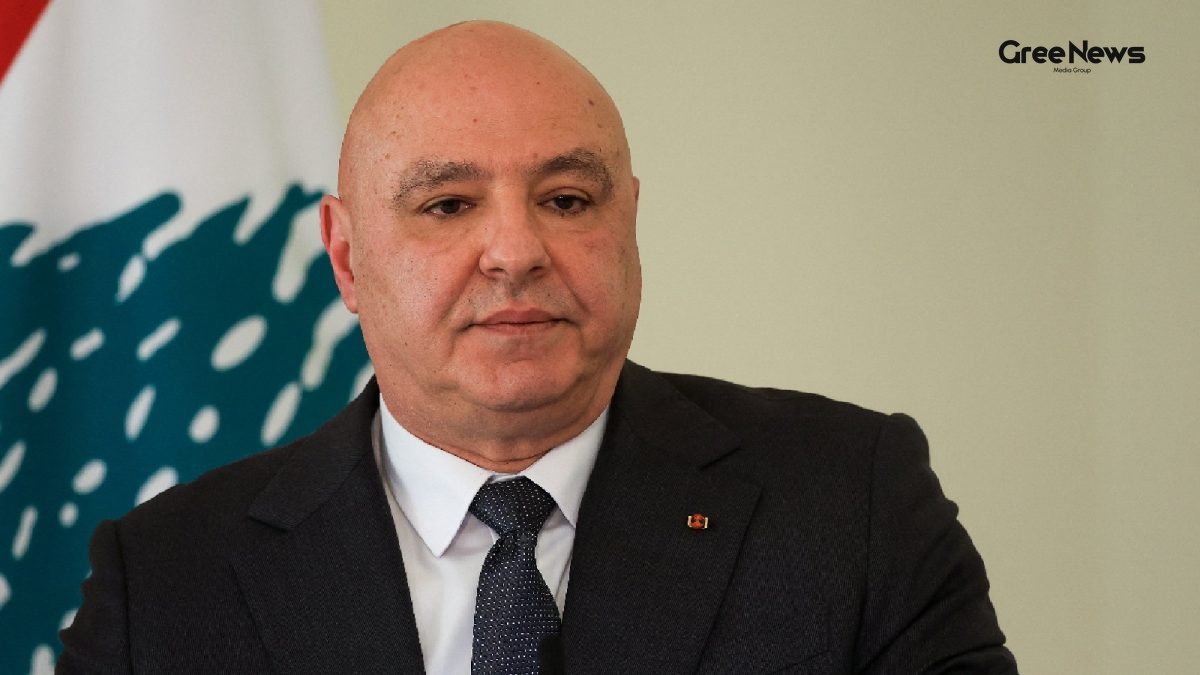
Till Backhaus, the environment minister of Mecklenburg‑Vorpommern, said the whale remains in a fragile condition but has not lost all signs of life. “He’s not active, and he’s certainly not agile, but there’s still life in him,” Backhaus said. “He’s definitely suffered serious damage.” Those words stuck with me they felt like a promise that the rescue wasn’t just a media stunt but a genuine effort to give Timmy a second chance.
For now, rescuers are racing against time and against the odds to give Timmy a chance to return to the open ocean. I kept hoping each day, checking the latest updates, and even when the news seemed gloomier, the community’s support never waned. It truly became a story of compassion that spread across borders, turning into one of the most talked‑about pieces of breaking news in the region.
What this means for us
Watching Timmy’s saga reminded me how interconnected our world is. A whale stranded in a European sea became a topic of daily conversation in Indian households, appearing in the latest news India feeds and being shared across social platforms as a poignant reminder of wildlife fragility. It also showed the power of collective action from local volunteers to international marine experts all pulling together for a common cause.
In most cases, stories like these become footnotes, but Timmy’s rescue ignited debates about marine conservation, the impact of human activity on sea routes, and the responsibility we share. The way people from different backgrounds rallied, posted updates, and even organized fundraisers, felt like a grassroots movement that turned a single incident into a larger conversation about protecting our oceans.
And honestly, the curiosity it sparked kept me coming back “what will happen next?” became the question on everyone's mind. That hook, that bit of suspense, turned a simple rescue into a gripping narrative that kept readers glued, increasing their reading time and engagement with the story.