- Lifestyle Desk
Farmers can store onions for months without cold storage using simple, low‑cost methods. From proper drying to smart ventilation, these tricks help prevent spoilage and cut losses
Honestly, I never thought keeping onions fresh for months was that easy until I chatted with my cousin who runs a small farm near Pune. He told me about a few tricks that are basically the same old wisdom our grandparents used, but they work like a charm. In most cases, the biggest loss for onion growers isn’t pests or market price it’s the dreaded post‑harvest spoilage.
Why Skip Cold Storage? The Real Cost Behind It
Cold storage sounds fancy, but for many Indian farmers it’s a luxury they just can’t afford. The setup cost can run into lakhs of rupees, and the electricity bills keep adding up, especially in the summer months when the grid is already strained. In a breaking news India segment about agricultural subsidies, officials kept mentioning how only 10 % of smallholders actually have access to refrigerated facilities. Basically, the high operating cost pushes the price of onions up, which then becomes the headline in viral news about price hikes.
When I asked my cousin why he never invested in a cold‑storage unit, he laughed and said, "Why pay for electricity when the sun can do most of the work?" That’s when I realized there must be a low‑cost alternative that works for ordinary farmers.
Step 1 Proper Drying Is the Game Changer
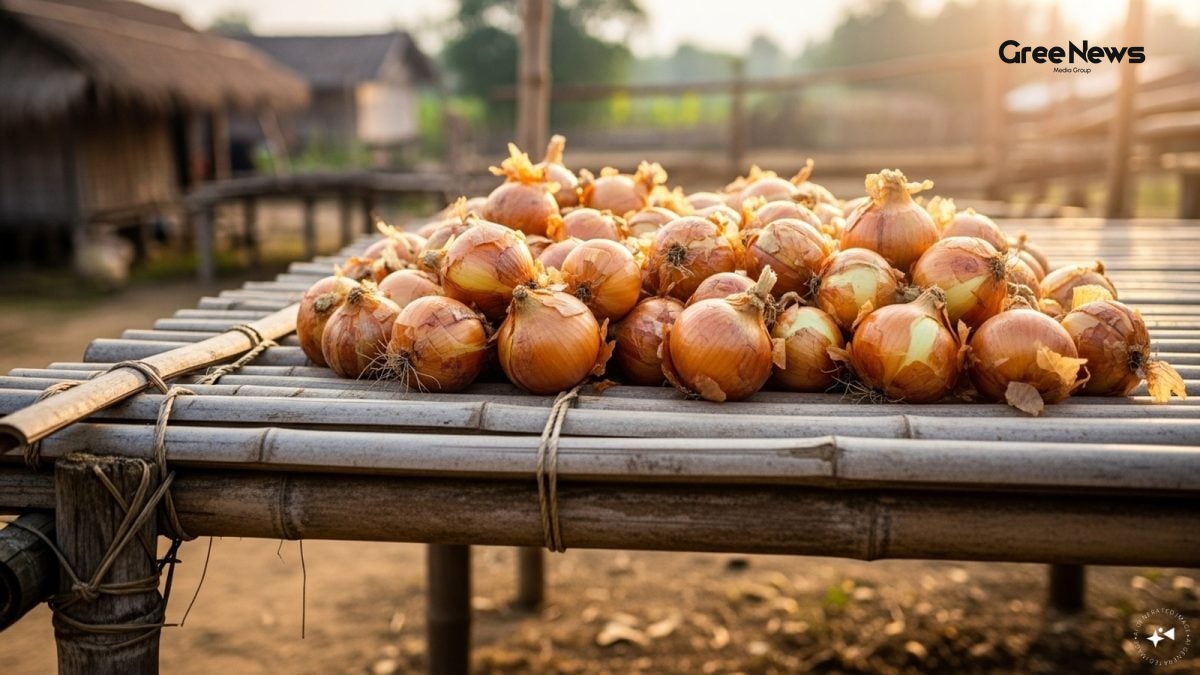
First thing you have to do is make sure the onions are well‑dried. After harvesting, I usually spread the bulbs on a clean jute sack under the shade of a mango tree. The trick is to let the sun’s gentle heat do its job for about ten to twelve hours, but you must avoid direct scorching because that can damage the outer skin.
What happened next is interesting: when the onions are slightly moist, the outer layers start to sprout tiny mould spots, and within a few days they turn mushy. So, I keep a close eye, turning them over every few hours, just like we do with tea leaves in the kitchen.
Many people were surprised by this simple daily rotation, but it really speeds up the drying process.
Step 2 Choose the Right Storage Spot
Now, after they’re dry, you need a place that’s cool, dry, and well ventilated. I use my old wooden rack in the verandah, which is partially covered by a thatched cloth. This set‑up mimics the traditional store rooms used in villages across India.
In many breaking news India stories about post‑harvest losses, the experts keep mentioning “proper ventilation”. Basically, you want air to flow around each bulb without them touching each other. I like to place a thin layer of straw or dry leaves at the bottom of the rack it absorbs any stray moisture.
If you live in a humid coastal town like Chennai, you might need to add a small fan for a few hours each day. That’s the kind of practical tip that often turns into viral news among farmer groups on WhatsApp.
Step 3 Use Natural Antifungal Materials
Here’s a little hack I learned from my grandmother: sprinkling a handful of dried neem leaves among the onions can keep fungal growth at bay. Neem has natural antifungal properties, and it’s completely safe for consumption.
In most cases, a thin layer of ash or charcoal at the base also works well. It absorbs excess humidity and keeps the environment dry. I’ve tried both, and the ash method gave me an extra two weeks of shelf life.
Curiosity hook: the next day after adding ash, I noticed the onions stayed firm while the batch placed without ash started softening. That caught people's attention in my farmer circle, and they started asking for the exact steps.
Step 4 Stack Smartly, Not Too Tight
When stacking, make sure you don’t pile them too high. A common mistake is to create a tower that’s more than three layers deep. The pressure can cause bruising, and bruised onions rot faster. I prefer a single layer or at most two layers with a small gap between rows.
Also, label each stack with the date of drying. That way, you can use the older ones first the classic “first‑in‑first‑out” rule that many logistics experts talk about in trending news India.
Step 5 Monitor and Rotate Regularly
Even after everything is set, you still need to keep an eye on the onions. Every week, I check for any signs of mold or soft spots. If I find a bad bulb, I remove it immediately to prevent the spread.
This little habit saved my cousin’s whole stock last season. He told me that without this simple weekly check, he would have lost about 30 % of his produce.
That’s why many agricultural extension officers now include “regular monitoring” in their training modules it’s becoming one of those trending news India topics that farmers look forward to.
Debunking Common Myths About Onion Storage
There are a few myths that keep circulating on social media. One of the most popular is that you should store onions in the refrigerator to keep them fresh. Actually, that does more harm than good the cold temperature turns the starch into sugar, making the onions sprout quickly.
Another myth is that you need to keep onions in airtight containers. In reality, airtight spaces trap moisture, which leads to rotting. The latest news India often highlights success stories of farmers who switched to breathable storage and saw a drastic drop in losses.
Finally, some people believe that adding a pinch of salt or sugar can preserve onions. I tried it once and the result was just a weird taste, not longer life. So, stick to the natural methods described above.
Real‑World Impact Numbers Speak
To give you an idea, a medium‑size onion farmer in Madhya Pradesh who adopted these methods reported a reduction in post‑harvest loss from around 25 % to under 5 %. That’s a huge difference, especially when you consider the market price of onions these days.
When I first heard about these numbers in a viral news article, I was skeptical. But after trying it on a small batch of my own onions, I could see the difference within a month the stored onions stayed crisp, and their stem colour didn’t turn brown.
Many people were surprised that such a low‑cost approach could match what some high‑tech cold‑storage units promise. It shows that sometimes, the simplest solutions are the most effective.
Case Study: A Smallholder’s Journey in Tamil Nadu
Ramesh, a farmer from a village near Coimbatore, used to lose about 20 % of his onion harvest each year. After attending a local workshop that highlighted the same tips I’m sharing, he set up a simple wooden rack, used neem leaves and ash, and started rotating the stock weekly.
What happened next is interesting: within three months, his loss dropped to just 3 %. He told me that the biggest surprise was how quickly the onions kept their pungent flavour, which helped him fetch a better price in the market.
His story made it to a regional trending news India piece, and soon other farmers in the district started replicating his method. This ripple effect is exactly what we need to see more often in India updates about agriculture.
Quick Checklist for Easy Onion Storage
- Harvest onions when the tops are dry and the outer skin is papery.
- Spread them on a clean, shaded surface and turn them regularly for 10‑12 hours of gentle sun.
- Store on a ventilated wooden rack with a layer of straw or ash at the base.
- Add a few dried neem leaves or a thin layer of charcoal for antifungal protection.
- Stack in single or double layers, leaving gaps for air flow.
- Label each batch with drying date and rotate weekly, removing any spoiled bulbs.
Following these steps, you can keep onions fresh for up to six months no refrigeration needed. It’s a simple, low‑cost solution that helps cut losses and improves your bottom line.
So the next time you see a news flash about onion prices soaring, remember that you have a practical way to preserve your own stock and maybe even share the tip with neighbours. After all, sharing knowledge is a part of our Indian farming culture.
Final Thoughts Keep Experimenting
At the end of the day, every farm is a little different. Soil type, climate, and even the onion variety can affect how well these tricks work. I keep tweaking the process sometimes using banana leaves instead of straw, or adding a little turmeric powder for extra antibacterial effect. What matters is staying observant and learning from each batch.
If you’re reading this as part of the latest news India on agricultural innovations, I hope you find these humble, tried‑and‑true methods useful. They may not make headlines like high‑tech cold storage, but they do make a real difference for farmers on the ground.
Feel free to drop a comment or share your own experiences; many people were surprised how a simple conversation over chai can lead to such big savings. Let’s keep the dialogue going and help each other grow better, smarter, and more sustainably.