So, let me tell you what caught my eye when I was scrolling through the latest news India updates on my phone this morning. There was a breaking news segment about the United States planning to start anti‑mine operations in the Strait of Hormuz. At first, I thought it was just another headline, but then the report dropped a bombshell Iran actually admitted that it cannot locate all the mines it has placed there and, more importantly, it does not have the capability to remove them. Imagine that! This little piece of information turned the whole story on its head, and I could not stop thinking about the ripple effects.
Basically, the whole saga started after the United States and Israel launched a series of military strikes against Iran in late February. Those strikes crippled a large part of Iran’s surface fleet, pushing Tehran to resort to a cheaper, more flexible method: small boats laying mines in the narrow waterway. The result? A secret maze of hidden explosives that even the very people who laid them admit they can’t fully map.
How Iran Managed to Plant Mines in the Strait of Hormuz
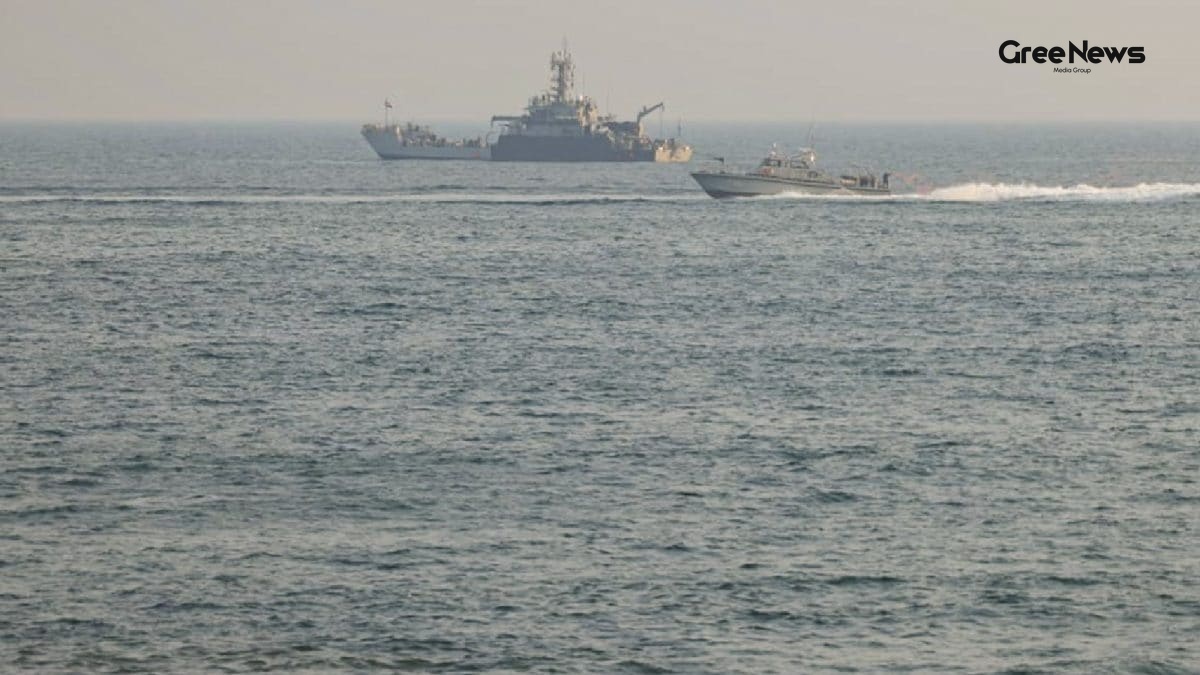
Now, you might be wondering how a country that lost most of its big naval ships could still manage to sow a minefield in one of the world’s busiest sea lanes. The answer is surprisingly simple, and that’s where the story gets interesting. With its large warships mostly destroyed, Iran turned to a fleet of small surface vessels the kind you could easily spot near the coast of Bushehr or in the dockyards of Bandar Abbas. These boats, although modest in size, are surprisingly nimble and can slip through the strait under the radar of larger ships.
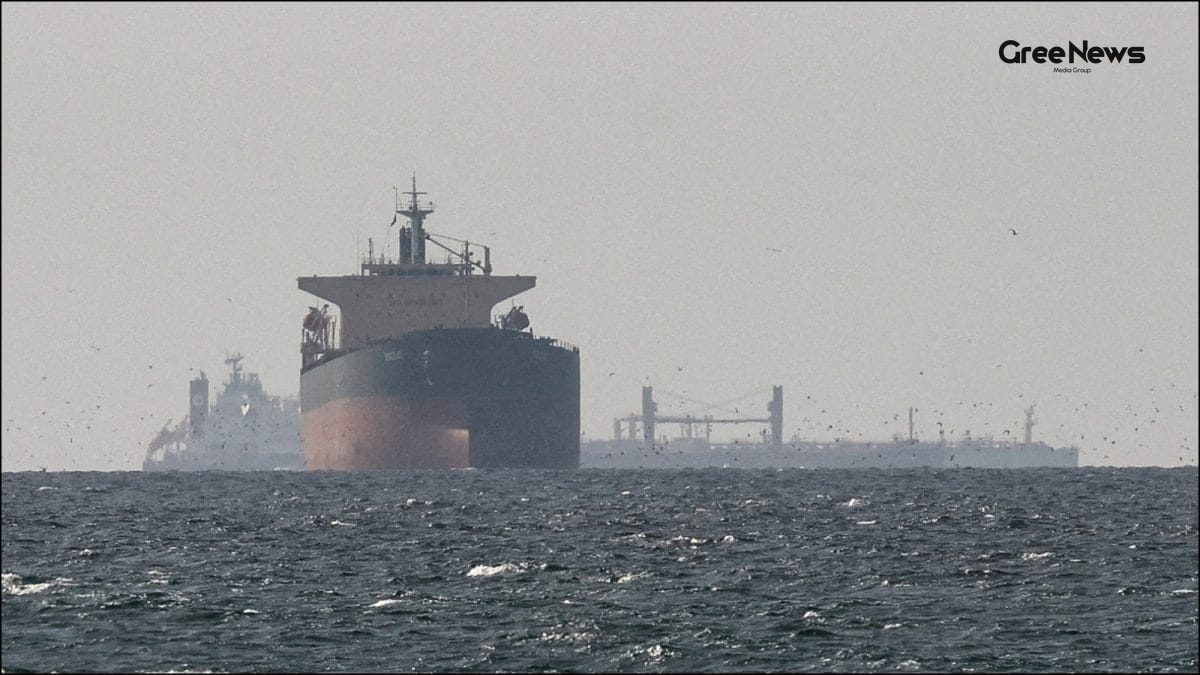
Iran kept at least one narrow corridor open for commercial traffic, but only for vessels willing to pay a toll. It’s a classic ‘pay‑to‑pass’ tactic that many of us see in highways back home except this one is underwater and potentially deadly. The exact number of mines laid remains a mystery, but the fact that Iran has publicly said it cannot find them all is a clear sign that the count is likely in the dozens, if not more.
What really surprised me was the candidness of the Iranian officials. In a striking admission, they told their United States counterparts that they cannot locate all the mines they deployed and lack the capability to remove them. That honesty is rare in such high‑stakes geopolitical games, and it makes you pause what will happen when the United States tries to clear a field that even the original placer can’t map?
What Kind of Mines Has Iran Placed in Hormuz?
Iran isn’t just scattering old‑fashioned contact mines; it’s using two more sophisticated types the Maham 3 and the Maham 7. Both are designed to be harder to detect and harder to neutralise, which adds a whole new layer of complexity to any clearing operation.
The Maham 3 weighs about 300 kg and is anchored, meaning it can sit in waters up to 100 metres deep. Its anchoring system lets it stay put even if currents shift, making it a stable threat for larger vessels passing overhead. On the other hand, the Maham 7 is lighter around 220 kg and rests directly on the seabed. Its conical shape is engineered to dodge sonar detection, which is the main tool minesweeping teams rely on.
Both mines use magnetic and acoustic sensors instead of simple contact triggers. In other words, they wait for the right magnetic signature or the specific sound of a ship’s hull before they decide to explode. This makes them more precise but also more difficult for standard sweeping equipment to fool or locate.
When I first read about these smart mines, I was reminded of the way we set up electric fences back in my village to keep stray cows away. You think a simple barbed wire will do the job, but then the farmer upgrades to a sensor‑based system that only alerts when a cow actually touches it. That’s essentially what Iran has done they moved from the old, clunky mines to something that feels more like a high‑tech security system.
Can the United States Really Clear the Mines?
Here’s where the plot thickens. Laying mines is quick and cheap, but clearing them is an arduous, slow, and risky business. The Strait of Hormuz, while geographically narrow, spans a large operational zone enough to keep a whole fleet busy for weeks, if not months. Crewed minesweepers, if sent in, would be sitting ducks for any resurgence of hostilities, especially if Iran decides to unleash its cheap drones or anti‑ship missiles.
The United States seems to be leaning heavily on uncrewed systems to mitigate the risk. The most talked‑about tool is the Knifefish a submersible drone that can glide under the water, locate mines using high‑resolution sonar, and neutralise them with precision. Alongside that, there’s the MCM anti‑mine vessel, which is essentially a fast‑boat‑style unmanned craft capable of covering a lot of ground quickly.
Another piece of equipment that could be in play is the AN/ASQ‑235 Archerfish system. This system can be mounted on MH‑60S helicopters; it sends down a remotely operated vehicle that uses sonar to find a mine and then destroys it. The idea sounds futuristic, but there’s a catch: even though the vehicles are uncrewed, the helicopters and the ships that launch them have to stay within a relatively close radius to control the drones. That means American personnel could still be within striking distance of Iranian missiles or swarms of attack drones if the ceasefire breaks.
What happened next is interesting the United States has already begun deploying these assets in the Gulf, and analysts say the first few weeks will be all about mapping. It’s a bit like trying to find a needle in a haystack while someone keeps tossing new needles into the pile. The whole operation could stretch out for months, and the real question is whether the United States will be willing to keep its assets in a constant state of alert in such a volatile region.
Why the Situation Is a Bigger Deal for India
For us in India, the Strait of Hormuz is more than just a distant flashpoint; it’s the lifeline for a big chunk of our oil imports. A blockage or any major incident there instantly becomes trending news India, and the ripple effects hit fuel prices at every pump. That’s why every new update on the Hormuz mine saga becomes viral news back home the stakes are high.
Many people were surprised by Iran’s admission that it cannot locate its own mines. It tells you just how tangled a mine‑clearing mission could become, and why the United States is taking a cautious, technology‑driven approach instead of sending in traditional minesweepers. For Indian shipping companies, the uncertainty means they have to keep a close eye on the latest updates, perhaps even reroute some vessels via the longer journey around the Cape of Good Hope a costly detour that can affect the entire supply chain.
From a personal perspective, I recall my uncle, who works in a logistics firm in Mumbai, constantly checking the “breaking news” feeds for any hint of trouble in Hormuz. The last time there was a flare‑up, his company had to delay a container ship carrying essential medicines. That incident still lingers in his memory, and he tells me how a single piece of news can change business decisions overnight.
My Take on the Whole Mine‑Clearing Endeavour
Honestly, after reading all the reports and watching a few documentaries on naval mine warfare, I feel a mix of awe and anxiety. On one hand, the technology the United States is deploying the Knifefish drones, the Archerfish‑equipped helicopters is nothing short of impressive. On the other hand, the fact that Iran cannot map its own mines tells me that even the most advanced gear might face a daunting task.
Think about it like trying to clean a kitchen where someone spilled oil and then hid the spill under a rug. Even if you have the best cleaning agents, you first need to pull back the rug to see the mess. In this case, the “rug” is the secretive nature of Iran’s mine placements, and the “cleaning agents” are the high‑tech drones and unmanned vessels.
What caught my attention most was the human element the sailors who will be operating these systems, the engineers fine‑tuning sonar sensors, and the analysts constantly feeding data into command centres. Many of those people will be working in an environment where a single misstep could cause a massive explosion. That’s a pressure cooker of a situation, and it makes you appreciate the silent bravery of those involved.
In most cases, we as ordinary citizens only see the headlines “US to clear mines in Hormuz” but the underlying reality is far more complex. It’s a blend of geopolitics, cutting‑edge naval tech, and raw human endurance. That’s why this story has become such a hot topic in viral news circles and why I keep coming back to it every time there’s a new update.
Looking Ahead: What Could Change?
One thing is clear: the situation is fluid. If the United States manages to clear a significant portion of the mines, it could reopen the Strait for safer commercial traffic, which would be a massive relief for India’s oil imports and for many other nations dependent on that route. On the flip side, if the clearing operation stalls or if hostilities flare up again, the area could stay shut for an even longer period, driving more “latest news India” stories about oil price hikes and supply chain disruptions.
Another possible twist is diplomatic. Iran’s admission that it cannot find its own mines could become a bargaining chip in future negotiations. Perhaps they could aGree to a joint de‑mining effort, but that would require a level of trust that currently seems far off. Until then, the United States appears committed to using its uncrewed assets, hoping to keep its personnel at a safer distance while still getting the job done.
In any case, I’ll keep an eye on the updates, especially the reports from naval analysts and the occasional viral video that pops up on social media showing a Knifefish drone in action. The story is still unfolding, and for all of us who rely on the smooth flow of goods across oceans, it’s a reminder of how intertwined global security and everyday life truly are.
So, the next time you see a breaking news alert about Hormuz, remember there’s a whole underwater chess game being played out with mines, drones, and high‑stakes diplomacy all moving beneath the waves.