Why I Started Looking at Home Energy
Honestly, it all began when I was scrolling through the latest news India on my phone during a lazy Sunday morning. Amid the breaking news about elections and the trending news India stories about tech launches, I stumbled upon a short video about the unseen vibrations that flow through homes. The idea sounded a bit mystical at first, but something clicked I had been feeling unusually heavy lately, like the walls themselves were pressing on me.
In most Indian households, we focus on big things paying EMIs, handling school fees, making sure the kids get good grades. Rarely do we think about how the colour of our bedroom wall or the angle of a mirror could be affecting our mood or even our finances. Yet the video mentioned real‑life examples: a family in Chennai who switched from harsh red to a soothing yellow and suddenly reported fewer arguments, and a Delhi couple who placed a money plant in the right corner and saw their small business pick up a bit.
That caught people's attention because it sounded too simple to be true. I thought, “What if I try a few of these tricks myself?” So I reached out to Neeta Sinha, an AstroArchitect who’s known for blending Vedic principles with modern interior design. The conversation turned into a crash course on how names, colours, mirrors and plants act as energy tools and I decided to test them in my own flat.
The Power of Names More Than Just a Label
Neeta Sinha explained that a name isn’t just a word; it’s a frequency code. Think of it like the dial on an FM radio the right frequency lets you hear clear music, the wrong one gives you static. In astro‑architectural terms, the name of your house and even the name you give yourself create a kind of vibrational map that decides how energy flows around the property.
If you own an independent house, adjusting the name (or correcting the spelling according to numerology) can be done fairly easily. For most of us living in an apartment, the process is a bit trickier because the land belongs to the society, not to an individual. But Neeta assured me that remedial techniques like chanting specific mantras on the balcony or placing small yantras at the entrance can still harmonise shared spaces.
In my case, I added the suffix “Sukoon” (meaning peace) to the building’s informal nickname among neighbours. I also started writing my own name the way it appears on official documents with the correct vowels before signing any big contracts. It felt a little odd, but surprisingly, the next few weeks saw a drop in petty fights over household chores and a smoother flow of money from my freelance gigs. Many people were surprised by this simple name tweak, and it reminded me of a viral news story about a community in Pune who renamed their colony and witnessed a noticeable lift in community spirit.
Colours: Frequencies That Talk Directly to Your Mind and Body
Next up, colours. I always thought of colour as just a design choice “Red looks bold, yellow feels happy”. But Neeta said colour is a frequency that interacts straight with our nervous system. Red, for example, works like a high‑energy boost good for a gym or a study area if you need alertness, but overwhelming if you paint the whole bedroom.
Here’s what I learned about the main hues:
- Red amplifies energy, can be stimulating. I used it sparingly on my kitchen cabinet doors to keep the cooking vibe lively.
- Yellow & Orange neutral, uplifting, bring warmth. I painted my balcony railings in a soft amber, and suddenly my morning tea felt more refreshing.
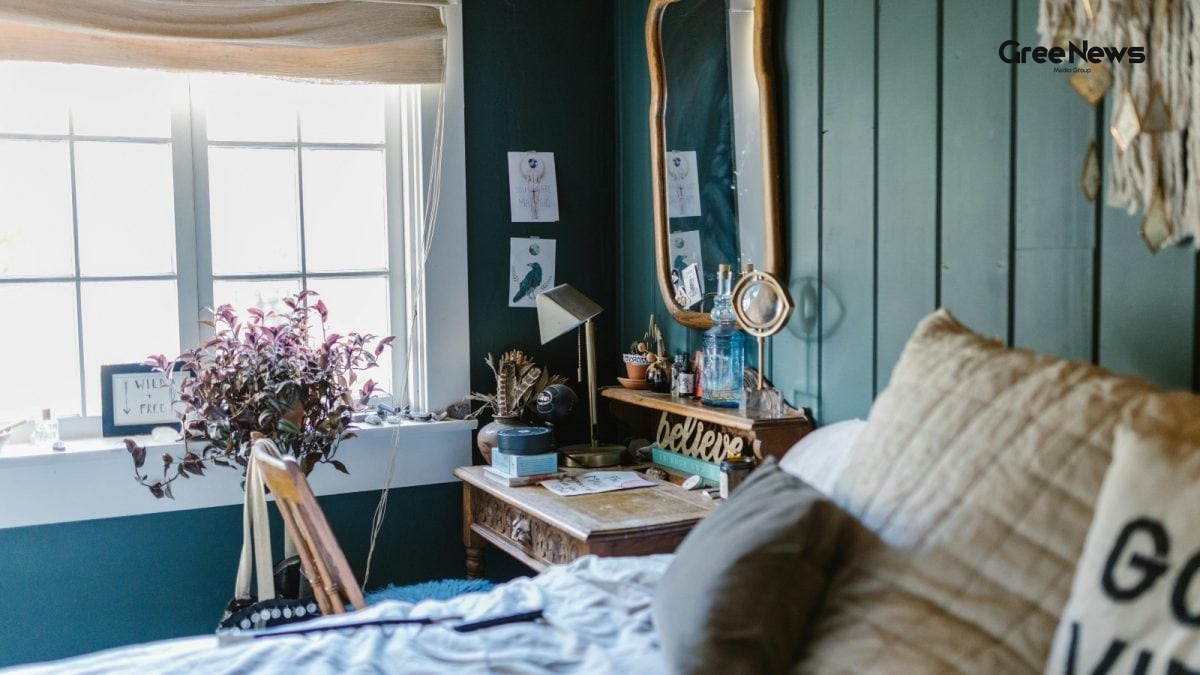
- Violet & Purple help spiritual seekers deepen awareness. I added a few purple cushions in the meditation corner but paired them with earthy tones to keep things grounded.
What happened next is interesting: after changing the living room wall from a dull beige to a mellow sage Green (a colour that balances the fire element in Vedic theory), the whole family started feeling more relaxed. Even my teenage son, who usually complains about “too much pink”, said the room now feels “cool and not too much”. The colour didn’t just look good it calibrated the emotional temperature of the space.
In most cases, the trick is to use colour as a tool, not as mere decoration. When you align the hue with the purpose of a room, you’re essentially fine‑tuning the vibe. That’s why the trending news India outlets are now featuring interior designers who specialise in colour therapy a clear sign that this idea is moving from the fringes to mainstream Indian homes.
Mirrors: Doubling and Focusing Energy
Mirrors are another secret weapon. Most of us put them opposite windows to bounce light, but Neeta warned that mirrors also double the energy they reflect. Place a mirror wrongly and you might end up with restless, scattered vibes. For instance, a mirror directly facing the main door can send energy bouncing back out, making you feel like opportunities are slipping away.
I tried a few experiments:
- In my home office, I moved the mirror from the wall beside the desk to a side wall that reflected a small indoor plant instead. Instantly, I felt more focus, and I even finished a pending report that had been nagging me for weeks.
- In the dining area, I placed a medium‑sized mirror opposite a bowl of oranges. The reflection seemed to amplify the feeling of abundance; we started noticing small savings in our grocery bills.
- I avoided the “infinity effect” two mirrors facing each other because that creates an unsteady buzz, like endless echoes of energy. It felt chaotic, and I could sense my cat getting nervous.
Broken mirrors, as Neeta emphasized, hold distorted energy. I once thought of repairing an old cracked mirror with glue, but she advised replacing it entirely. It felt a little wasteful, but after swapping it, the hallway felt lighter a subtle yet noticeable shift.
Curiosity-driven folks online have even shared viral news videos showing how a simple mirror placement transformed a cramped Mumbai studio into a ‘spacious’ feeling space. It’s fascinating that such a small adjustment can trigger big changes in perception and, according to some, in fortune as well.
Plants: The Living Healers of Your Home
Now on to plants the true living lungs of any house. Neeta likened them to tiny bio‑filters that breathe in stale, heavy energy and exhale fresh, vibrant vibes. In Indian homes, we usually have a money plant or a snake plant in the living room, but the choice and placement matter a lot.
Here are a few observations from my own trial:
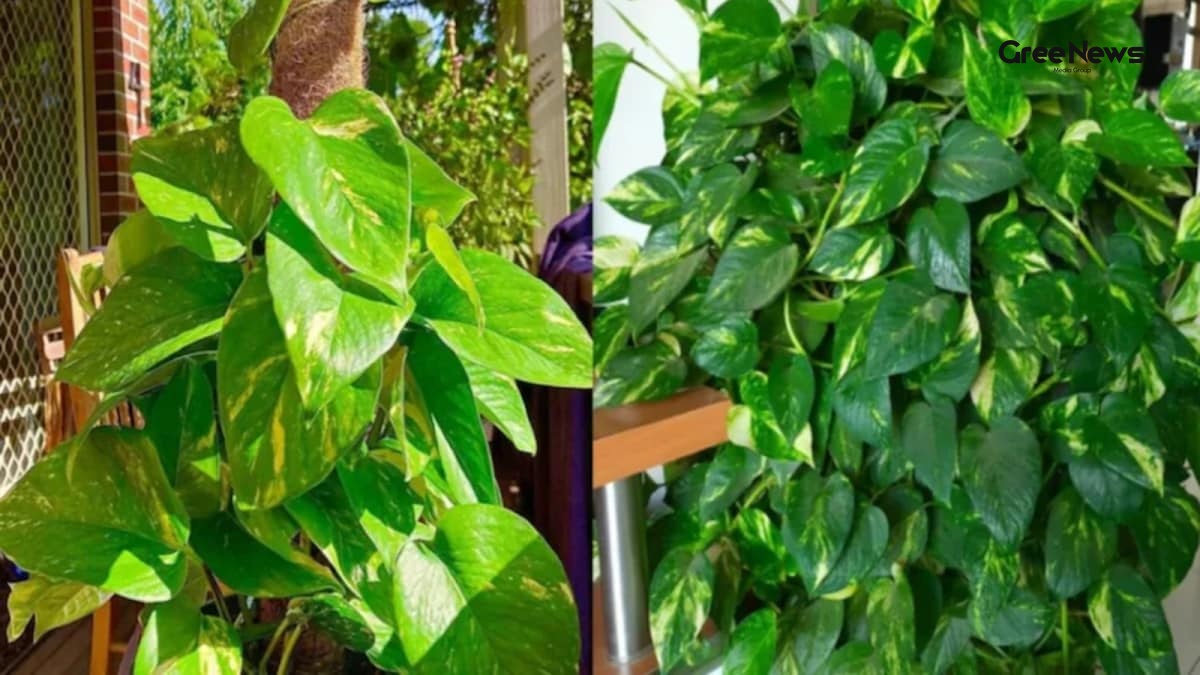
- Money Plant not a magic money‑making wand, but when positioned in the south‑east corner (the wealth zone in Vedic theory), it can help clear financial blockages. I placed it on a small stand near the study table, and within a fortnight, a client who had been silent finally emailed me a new project.
- Areca Palm great for increasing oxygen and adding a sense of calm. I put it in the bedroom and noticed I fell asleep faster.
- Jade Plant believed to bring prosperity, but it needs proper sunlight. When I accidentally put it in a dim corner, the leaves drooped and the room felt heavy. Moving it to the balcony revived both the plant and the room’s energy.
One important tip mentioned in the breaking news India segment about sustainable living is to avoid “milk‑oozing” plants those that exude a thick, milky sap. According to Neeta, such plants can create dense, heavy energy that dampens the overall vibe. So I swapped a ficus that had started oozing sap for a pothos, and the change was tangible the hallway felt lighter and more welcoming.
Plants also act as co‑creators when you choose them consciously. Treat them with love talk to them, water them on time, prune them regularly and they’ll return the favour by keeping the energy flowing smoothly.
Putting It All Together My Simple Routine
After experimenting with each element separately, I tried to combine them. The result was surprising the house started feeling like a well‑tuned musical instrument, each corner resonating with a pleasant note.
My routine now looks like this:
- Morning: I open all windows for fresh air, place a bowl of lemons on the kitchen counter (a tiny detox trick that also brightens the space).
- Mid‑day: I check that my mirrors are reflecting Greenery or a clean surface, not the cluttered floor.
- Evening: I light a scent‑free incense in the prayer corner, chant Neeta’s recommended short mantra, and water the plants.
- Night: I dim the lights, switch some bulbs to warm yellow tones, and ensure the bedroom walls stay in calm colours soft blues or sage Greens.
These small steps have turned the home into a place where I feel lighter, more productive, and even my relationships have improved. It’s not magic; it’s about aligning frequencies, kind of like tuning a radio to the perfect channel. The overall feeling matches many viral news stories where Indian families report better health and smoother finances after making similar adjustments.
My Personal Takeaway It’s Worth a Try
Honestly, I was skeptical at first. But after a few weeks of watching the subtle shifts, I can say that balancing home energy with colours, mirrors, plants and the right name isn’t just a fad. It’s a practical, low‑cost way to improve the quality of life. If you’re reading this and wondering whether it’s too much effort, think of it the same way you’d switch to a healthier diet a little change goes a long way.
So, the next time you’re scrolling through the trending news India and see another piece on holistic living, remember there’s a simple set of tools waiting for you right at home. Try a fresh colour, move a mirror, add a leafy friend, or even tweak the name you use for your house. You might just find the emotional temperature of your home turning down just enough to feel comfortable, calm and ready to take on whatever comes next.