When I was scrolling through the latest news India feeds, I noticed a breaking news headline that said these four movies were creating a stir as trending news India for International Women’s Day. It felt like the perfect chance to catch up on some viral news stories that also double up as a weekend binge session. I logged into Tata Play Binge and started the marathon, and honestly, each film left a mark that still lingers when I switch off the TV. Let me walk you through why these four titles are worth every minute, especially when you’re looking for a mix of drama, bravery, and a good dose of Indian cultural flavor.
Queen
Watching Queen felt like taking a spontaneous trip myself. Kangana Ranaut delivers a career‑defining performance as a young woman who decides to go on her honeymoon alone after being left at the altar. The film paints Paris and Amsterdam not just as exotic backdrops but as spaces where the central character discovers independence and joy. Rajkummar Rao and Lisa Haydon appear in pivotal roles, yet the core of the narrative revolves around Kangana Ranaut’s evolution from a jilted bride to a confident explorer.
The most striking aspect of Queen is how it captures the simple pleasure of being alone without feeling lonely. There is a scene where Kangana Ranaut sings loudly in a crowded train, and the camera lingers on the moment of pure liberation. That scene alone made me want to book a cheap ticket and see what spontaneous adventures could teach me about myself.
In most cases, Indian cinema ties romance to a pair, but Queen flips that script. It tells us that a girl can rewrite her script simply by saying, “I’m okay on my own.” That message resonated with many of my friends who are currently navigating career changes or personal setbacks. The film’s blend of humor, heartfelt moments, and scenic travel made it a perfect starter for the Women’s Day binge, especially for those craving a feel‑good post‑breakup movie.
Raazi
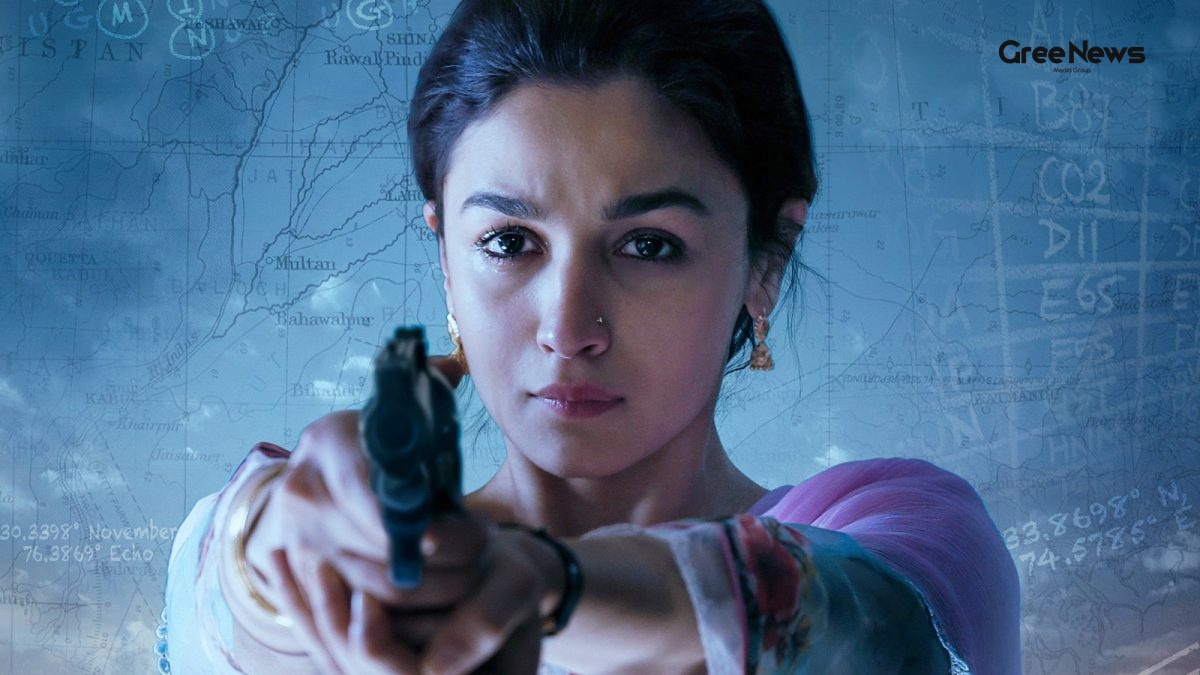
Moving from a light‑hearted road‑trip vibe to a tense espionage thriller, Raazi brings Alia Bhatt to the forefront as Sehmat, an ordinary college girl turned undercover spy. Directed by Meghna Gulzar, the story follows Sehmat’s marriage into a Pakistani military family as part of a covert Indian operation. Vicky Kaushal and Jaideep Ahlawat play pivotal roles, adding depth to the intricate web of loyalty and duty.
What struck me while watching Raazi was the subtlety of Alia Bhatt’s performance. Alia Bhatt conveys a quiet determination that speaks louder than any action sequence. The film never glorifies violence; instead, it showcases the emotional toll of living a double life. A scene where Alia Bhatt’s character pauses at a window, watching the sunrise over a foreign city, perfectly captures the internal conflict of a woman torn between love for a new family and love for her motherland.
Raazi also serves as a reminder that courage does not always roar. In most cases, the narrative focuses on external battles, but here the battlefield is internal. The film’s meticulous attention to period detail, combined with a strong script, makes it a compelling watch for anyone interested in how ordinary women can become silent heroes. After the credits rolled, I found myself reflecting on the sacrifices that go unnoticed in the shadows of history.
Neerja
Neerja shifts the tone yet again, moving from espionage to a real‑life drama that still sends shivers down the spine. Based on the true story of Neerja Bhanot, the biographical drama stars Sonam Kapoor as the young flight attendant who chose to sacrifice her own life while saving passengers during a hijacking. Shabana Azmi and Yogendra Tiku deliver powerful supporting performances that highlight the emotional depth of the crisis.
The film’s strength lies in its ability to portray vulnerability alongside valor. In one heartbreaking moment, Sonam Kapoor’s character calms terrified children, whispering reassuring words while the hijackers loom nearby. That juxtaposition of compassion and quick thinking showcases a different kind of bravery one rooted in empathy rather than muscle.
What made Neerja especially poignant for me was the way it reminded me of the everyday heroes we often overlook. The airline crew, the security staff, the families waiting at home all become part of a larger narrative of collective courage. The movie’s pacing never let the tension slacken, keeping the audience on edge till the very end. It also sparked discussions among my circle about the importance of emergency training and the role of women in high‑risk professions.
Pink
Pink brings the conversation back to the streets, confronting societal norms with a courtroom drama that still feels fresh. The film’s mantra “No means no” reverberated across the nation, becoming a rallying cry for women’s rights. Taapsee Pannu, Kirti Kulhari and Andrea Tariang portray three young women who fight for justice after a traumatic incident. Amitabh Bachchan appears as the steadfast lawyer who defends them, challenging deep‑rooted prejudices at every turn.
The courtroom scenes in Pink are razor‑sharp, each dialogue delivering a punch that leaves the audience reflecting on consent and gender bias. A memorable exchange sees Amitabh Bachchan’s character explaining that moral standards are not gender‑specific, a statement that sparked countless online debates and became part of viral news segments.
Beyond the legal drama, Pink also highlights the everyday struggles faced by women in India. The three protagonists, played by Taapsee Pannu, Kirti Kulhari and Andrea Tariang, navigate family expectations, societal scrutiny, and personal trauma. Their journey underscores the message that women’s voices must be heard, no matter the odds. Watching Pink made me think about the many conversations we have over chai, where we often skirt around the uncomfortable truth that consent is a basic human right.
The film’s impact went beyond box‑office numbers; it entered the realm of India updates as a cultural milestone. Many friends told me that the movie made them more aware of their own boundaries, and some even began discussions on social media about how to support victims more effectively.
All in all, this four‑film marathon on Tata Play Binge turned out to be more than just entertainment. It felt like a personal masterclass on how women across different walks of life can rewrite their own scripts whether it’s Kangana Ranaut’s spontaneous solo trip, Alia Bhatt’s covert espionage, Sonam Kapoor’s heroic sacrifice, or Taapsee Pannu’s courtroom fight. Each story is a reminder that strength can be quiet, fierce, tender, or unstoppable, all at the same time.
If you’re looking for a lineup that blends drama, inspiration, and a touch of Indian cultural flavor, these movies are the answer. They align perfectly with the kind of breaking news that sparks conversations, the kind of trending news India that stays on people’s minds for weeks, and the sort of viral news that fuels social‑media debates. So, grab your popcorn, settle into a comfy spot, and let these films remind you that when women take centre stage, cinema truly transforms.