Mohammad Shethwala’s story has become part of the latest news India
So, let me tell you how Mohammad Shethwala, an Indian man who moved to the UK a few years back, suddenly found himself in the middle of a very painful saga that’s now trending across the country. Mohammad Shethwala came to the UK in 2022 on a dependent visa because his wife Sadikabanu Tapeliwala was studying at Ulster University’s London campus. It felt like a fresh start a small flat, a budding career, and the hope of a better future for the little family.
Mohammad Shethwala and Sadikabanu Tapeliwala, together with their two‑year‑old daughter Fatima, were building a life that many of us in India dream of: a stable education for the child, a decent job, and the comfort of living abroad. Neighbours even chipped in money to help them realise those UK dreams. The whole narrative was simple a hardworking Indian family, modest means, big aspirations.
When the crash happened a tragedy that turned into breaking news
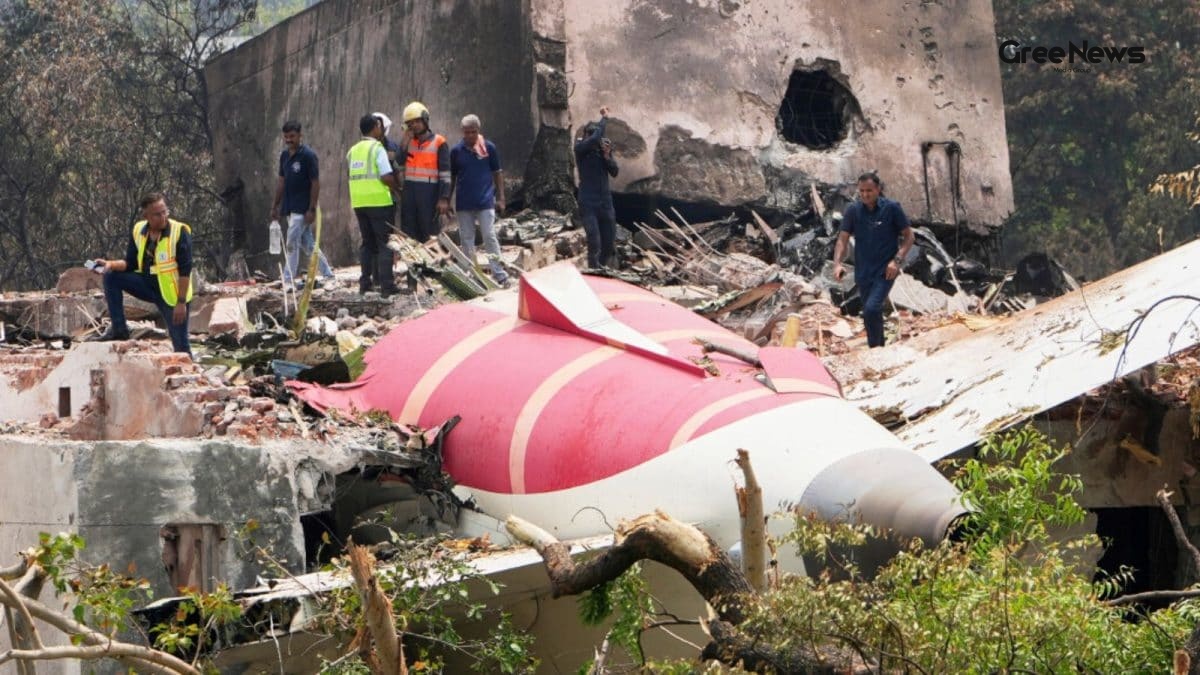
Everything changed the day the London‑bound Air India flight took off from Ahmedabad. The aircraft crashed just minutes after departure, killing 260 people and leaving only one survivor. Among the victims were Sadikabanu Tapeliwala and Fatima. It was a horror that instantly became breaking news in every newspaper, every channel, every social feed. The images of the wreckage, the sorrowful families, the frantic search it was all over the country, and Mohammad Shethwala’s life was ripped apart in an instant.
Mohammad Shethwala couldn’t believe it. “I am not accepting this decision from the government. I’m not feeling well right now because of this. I’m not accepting this decision,” Mohammad Shethwala said to Metro, his voice shaking with grief. The loss of Sadikabanu Tapeliwala and Fatima felt like a part of him had been torn away, and the trauma lingered long after the news cycle moved on.
What happened next is interesting Mohammad Shethwala tried to pick up the pieces, but the emotional toll was immense. He made a trip back to the UK in late June, hoping to find some semblance of normalcy, but walking back into the flat they had shared felt like stepping into a nightmare. The flat still carried the scent of Sadikabanu Tapeliwala’s cooking, the soft giggle of Fatima playing with toys, the quiet evenings they once enjoyed. Mohammad Shethwala broke down the moment he entered the house.
Depression, therapy, and the fight for a new start
In most cases, the mind takes a long time to process such loss. Mohammad Shethwala couldn’t sleep, his thoughts were haunted by Sadikabanu Tapeliwala and Fatima, and the silence of the flat became deafening. He decided to seek psychiatric help, an honest step that many of us might hesitate to take. The therapy sessions helped a little, but the pain never fully faded.
Friends from the Indian community in London rallied around Mohammad Shethwala, offering meals, a shoulder to lean on, and even a temporary place to stay. The support was comforting, yet the legal battle looming over him added a fresh strain. Mohammad Shethwala applied for Further Leave to Remain a request that was supposed to be based on compassionate and humanitarian grounds. The Home Office, however, rejected the appeal, an outcome that shocked everyone who knew the depth of his suffering.
After the rejection, the UK government placed Mohammad Shethwala on immigration bail. The deadline to leave the country was set, and the whole situation turned into a viral news story, with people across India and the diaspora sharing the updates, commenting, and demanding justice. Many people were surprised by this decision, especially since Mohammad Shethwala had turned down a promising job offer with Air India because his visa issues made it impossible to accept.
Why the Home Office’s decision sparked outrage
Friends and supporters argue that the Home Office’s move ignores the very humanitarian principles it claims to uphold. Mohammad Shethwala’s case is not a standard immigration case it is a story of loss, of a man who lost his entire nuclear family in a single tragic incident. Yet the authorities treated it as if it were any other paperwork.
One of Mohammad Shethwala’s close friends said, “He has lost everything. It’s not just about a visa; it’s about a man who is left with scars that will never heal. He needs support, not a removal order.” The public outcry grew, with many Indian expatriates sharing the story as part of trending news India, demanding that the UK government reconsider its stance and grant Mohammad Shethwala the compassion he deserves.
What’s more, the story is now part of the wider conversation about how immigrant families are treated in times of crisis. It has become a reference point in discussions about mental health, immigration policy, and the responsibilities of governments towards those who have suffered unimaginable loss.
Everyday life in the UK after the tragedy a peek into Mohammad Shethwala’s world
Imagine walking down a busy London street, the hustle of commuters, the double‑decker buses, the smell of street food mixing with rain‑soaked pavement. For Mohammad Shethwala, each of those ordinary scenes is a reminder of the life he once shared with Sadikabanu Tapeliwala and Fatima. The simple act of buying a cup of chai from a corner stall now triggers memories of Sadikabanu Tapeliwala’s way of brewing the perfect cup at home.
Even the sound of children laughing in a park feels like a cruel echo of Fatima’s giggles. It’s this juxtaposition of everyday normalcy and deep personal grief that makes Mohammad Shethwala’s story so compelling and why it has captured the attention of the Indian public, turning into viral news across social platforms.
Friends have been visiting Mohammad Shethwala, cooking meals, and trying to lift his spirits. Yet the looming deportation order hangs over every conversation, every gathering. The uncertainty of whether Mohammad Shethwala will have to leave the UK and return to India, where the reminders of Sadikabanu Tapeliwala and Fatima are everywhere, adds to his mental load.
Legal battle and the road ahead what could happen next?
The Home Office has given Mohammad Shethwala a specific date to leave the country. If the deadline passes without any new decision, the UK government may proceed with deportation. However, legal experts say there’s still a window for an appeal, especially if enough public pressure builds up. Many people are hoping that the outcry on social media, the continuous coverage in trending news India, and the petitions being filed will force a reconsideration.
As of now, Mohammad Shethwala remains on immigration bail, living in a small flat in London, supported by friends and a few community organisations. The uncertainty is a heavy burden, but the hope that the UK government might grant him the compassionate leave he seeks keeps the fire alive.
What’s clear is that this case has become more than just an individual’s struggle it’s a reflection of how societies respond to loss, how immigration systems can either help or hinder those in deepest need, and why stories like Mohammad Shethwala’s need to stay in the public eye. The next chapters are yet to be written, and many Indians across the globe are watching closely, waiting for a compassionate resolution.