Iran’s Stance on the Islamabad Delegation
So, here’s what happened: Iran has told mediators that Iran will not send a delegation to the upcoming talks in Islamabad unless the United States lifts its naval blockade on the Strait of Hormuz. This piece of information was first reported by The Wall Street Journal and has since become part of the latest news India that everyone is buzzing about.
Initially, Iran had hinted that Iran would send a team to Pakistan on Tuesday for the next round of negotiations. But, as the story unfolded, Iran changed its tone. Iran’s officials directly informed the mediators that the condition tied to the lifting of the blockade is non‑negotiable.
What caught people’s attention was the stark reversal from a willingness to engage to a hard‑line demand that the United States remove restrictions on Iranian maritime access.
Why the Blockade Matters
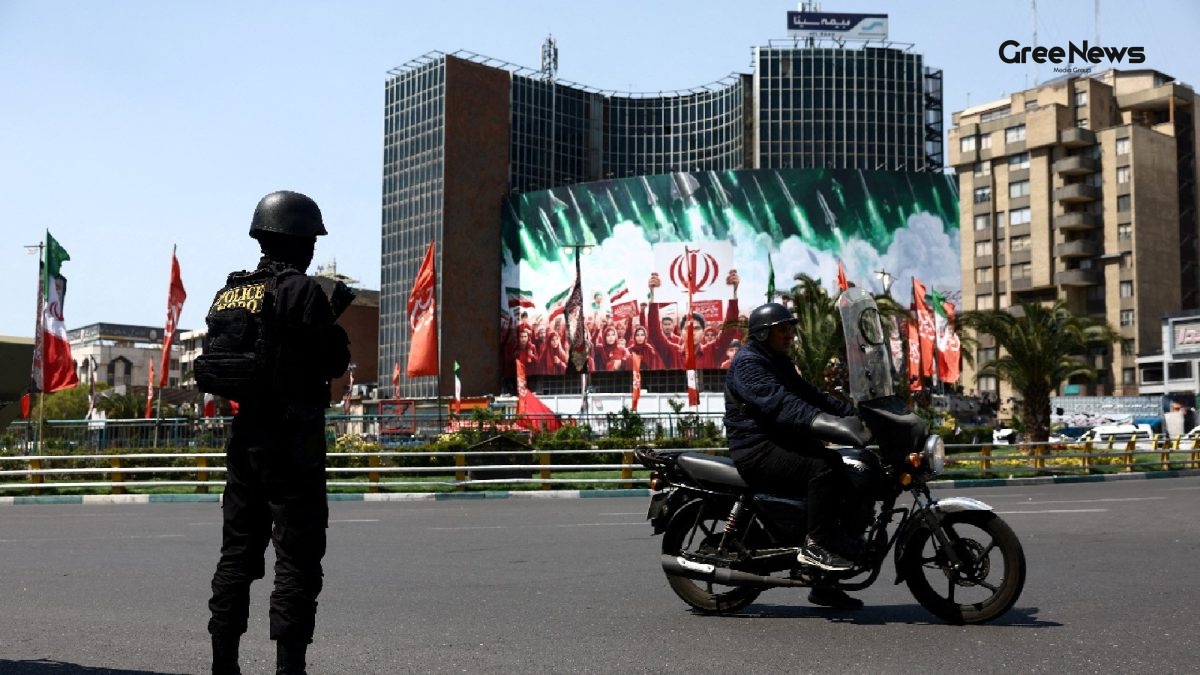
The Strait of Hormuz is a narrow waterway that sees a huge chunk of the world’s oil passing through every day. When the United States imposes a naval blockade there, it directly hits Iran’s ability to move its oil and trade goods. In most cases, Iran sees this as an act of economic warfare, and that’s why Iran is tying the blockade to the talks.
For everyday Indians, this is why you hear the term “viral news” when the story trends on social media the impact on global oil prices can affect fuel costs back home. The blockage isn’t just a regional issue; it has ripple effects that make it a piece of breaking news across the subcontinent.
Many people were surprised by this link between a naval restriction and diplomatic negotiations. It shows how the United States uses its naval power as a bargaining chip, and how Iran tries to flip that situation into a negotiation advantage.
Ceasefire Countdown
Adding urgency to the whole situation is the fact that the fragile ceasefire between the United States and Iran is about to expire. The 14‑day truce has, so far, prevented a slide back into full‑scale hostilities. The countdown has everyone on edge because a collapse could reignite tensions that would affect the entire Middle East.
Pakistan, which is playing the role of mediator, has said Pakistan is still waiting for a formal response from Iran regarding participation in the second round of talks. Pakistan’s information minister emphasized that the lack of clarity from Iran remains a key concern as the deadline draws near.
“So far, no delegation from Iran has departed for Islamabad, Pakistan; whether it is the main or subsidiary delegation; primary or secondary,” Iranian state television reported earlier, dismissing any speculation that a team was already en route.
What happened next is interesting: while Iran is holding firm on the blockade, the United States is projecting confidence, hoping to leverage its position.
United States’ Position A Confident Tone
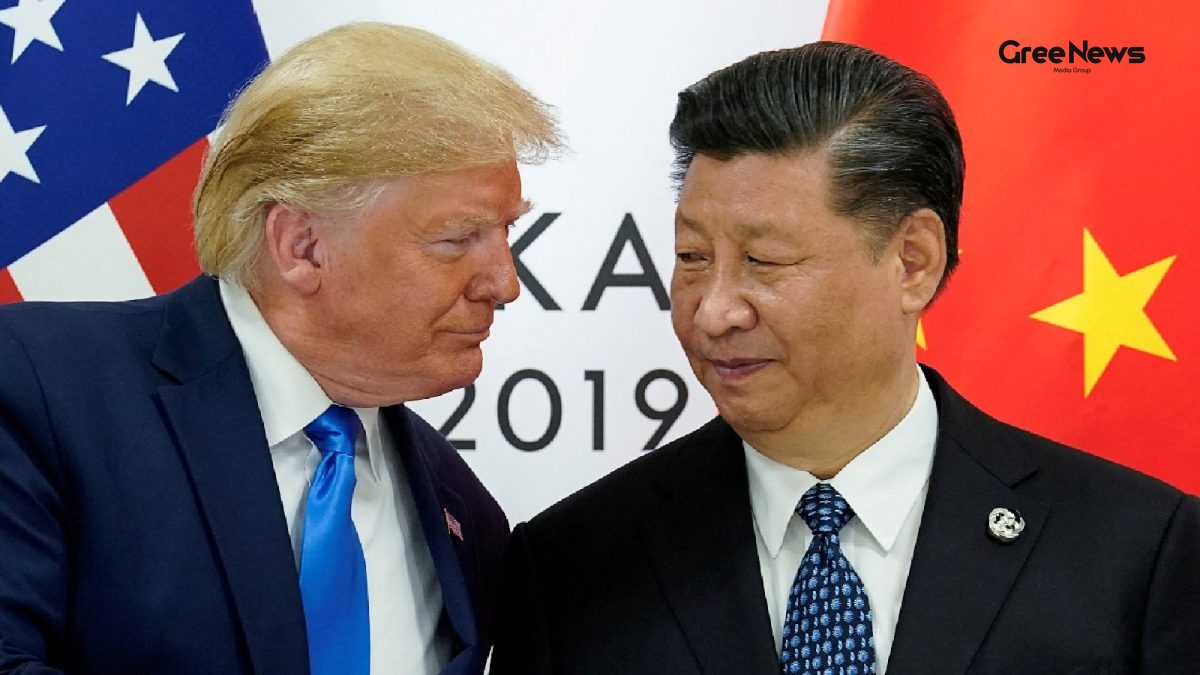
Meanwhile, President Donald Trump struck a confident tone ahead of the planned negotiations, saying the United States is in a strong position. “We’re going to end up with a great deal. I think Iran has no choice … We’re in a very, very strong negotiating position,” Donald Trump said in remarks to CNBC.
Donald Trump also hinted that it is “highly unlikely” that the United States will aGree to extend the truce beyond the current expiry. This kind of language adds another layer of pressure on Iran, which is already demanding the United States lift the naval blockade.
The United States’ stance has become part of the trending news India audience follows, especially as analysts try to gauge whether the United States will stick to its tough talk or make concessions to keep the peace.
Pakistan’s Mediation Role
Pakistan’s role as a neutral ground is crucial here. The city of Islamabad is set to host the talks, but without a clear answer from Iran, the meeting could turn into a diplomatic dead‑end. Pakistan’s officials have repeatedly asked Iran for a definitive response, emphasizing that the uncertainty hampers any progress.
In most cases, a mediator needs both sides on board to keep the dialogue alive. Pakistan’s information minister has warned that the lack of a concrete answer from Iran could jeopardise the entire process.
This situation is a perfect illustration of how regional powers try to balance larger geopolitical games while dealing with their own domestic concerns. For many Indians, this saga has become a part of India updates that the foreign desk is constantly monitoring.
Implications for the Region and Beyond
If the United States decides not to lift the blockade, Iran may simply walk away from the talks, which could lead to a resurgence of hostilities. That would have a domino effect higher oil prices, increased military posturing, and a potential refugee spill‑over that would reach even the Indian subcontinent.
On the other hand, if the United States chooses to ease the maritime restrictions, it could pave the way for a diplomatic breakthrough, possibly stabilising the Strait of Hormuz and providing some relief to global oil markets. This outcome would likely dominate the breaking news cycle for weeks, with analysts dissecting every detail.
Many people were surprised by how a single nautical policy could dictate the fate of high‑level talks. It is a reminder that in international relations, even the smallest levers can become powerful bargaining chips.
For now, the world is watching, and the story continues to climb the rankings of viral news across social platforms, becoming a staple of the daily newsfeed for those interested in international affairs.
What Could Happen Next?
The next few hours are crucial. If Iran sticks to its demand, the Islamabad talks may be postponed, and the ceasefire could lapse, potentially reigniting tensions that have been held at bay for weeks. If the United States bends a little, there might be a chance for a face‑to‑face dialogue that could de‑escalate the situation.
One thing is clear: the eyes of the international community, and especially the audience that follows the latest news India, are glued to every development. The outcome will shape not only the bilateral relationship between Iran and the United States but also the security calculus of surrounding nations, including India.
Stay tuned, because as soon as any new statement drops whether from Iran, the United States, or Pakistan it will quickly become part of the trending news India and probably spark fresh debates across television panels and online forums.
In the meantime, keep checking for updates, because this story is far from over, and every twist adds another layer to the complex puzzle of Middle Eastern diplomacy.