Noida protest what I saw and heard
Honestly, when I first got a WhatsApp message about a protest in Noida, I thought it was just another viral news piece that would fade away by evening. But then the messages kept coming video clips, blurry photos of fire‑brandied police vans, and dozens of friends tagging me saying "you have to see this". It felt like the whole city was buzzing with the same breaking news, and I could sense people were genuinely scared. What caught my attention was the way organisers used QR codes on flyers and group messages to direct workers to rally points. It reminded me of how quickly a simple code can turn a quiet street into a storm of voices demanding change.
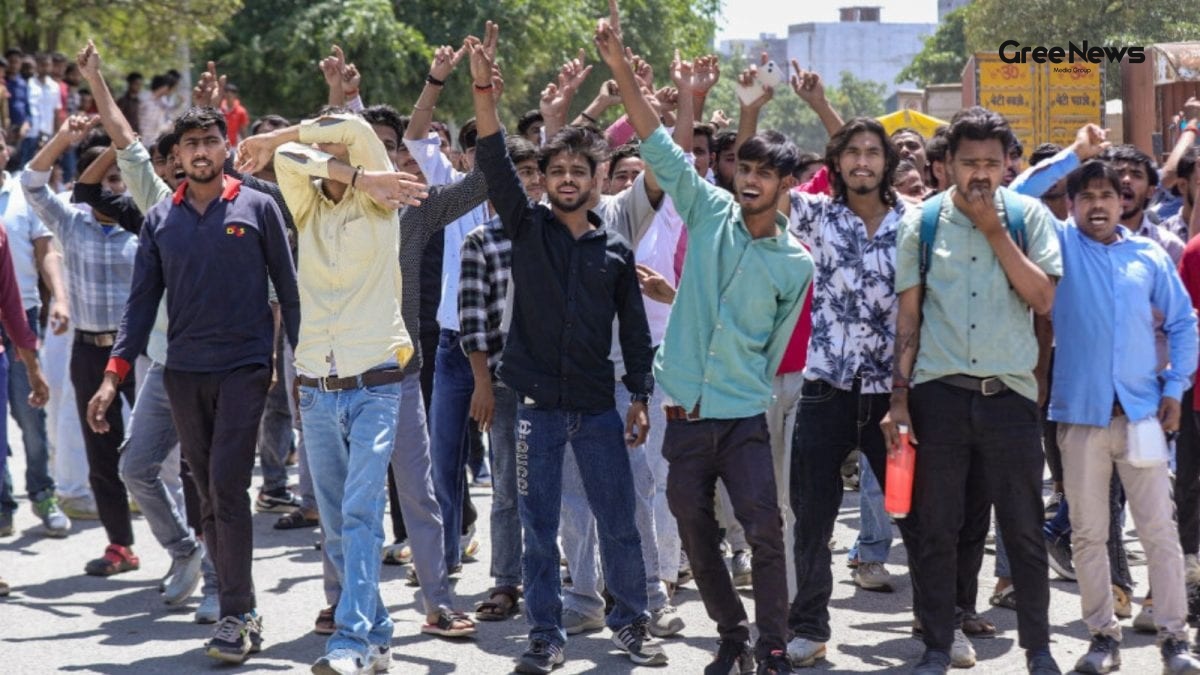
Later that day, while stuck at a traffic jam near the DND Flyway, I saw streams of protestors marching past the choke points. The atmosphere felt tense, yet there was a strange solidarity among the workers. Many were carrying placards demanding a "₹20,000 minimum wage". It was clear that the protest had moved beyond a local grievance it was becoming a trending news India story that everyone on the street was talking about.
What sparked the Noida protest?
The whole thing started because workers in neighbouring Haryana got a massive 35% hike in their minimum wages roughly ₹19,000‑₹20,000 per month. Imagine doing the same job in Noida and still earning just ₹11,000‑₹13,000. You can guess why the news spread like wildfire.
Workers in Noida, many of whom are from small towns and work in factories that operate round‑the‑clock, felt cheated. They argued that the cost of living has been soaring from rising vegetable prices at the local market to increasing fuel costs for daily commutes. Basically, they wanted a wage level that matched the one in Haryana, at least ₹20,000 per month, so they could afford basic necessities without constantly borrowing from friends or money‑lenders.
There were also serious complaints about exploitation: 12‑hour shifts without overtime pay, no guaranteed weekly off, and delayed salaries that left families in limbo. Female workers highlighted the lack of proper safety measures and basic facilities, which added another layer of urgency to their demands.
When I talked to a few of the protestors, they all shared similar stories my cousin’s sister, who works in a textile unit, told me about being forced to work double shifts during the festive season without any extra pay. That personal touch made the whole issue feel more real than any headline could.
How the peaceful strike turned violent
At first, the protest was just a peaceful sit‑in near the main factory gates. But as more workers joined, the crowd grew larger and the mood shifted. In areas like Phase‑2 and Sector 60, stone‑peltings at police barricades started, and soon after, some of the protestors set fire to a police van and a few factory vehicles.
One of the striking moments and what many called "viral news" was when a group of workers used a makeshift torch to burn down a stack of empty crates that belonged to a local supplier. The flames lit up the night, and nearby residents rushed out of their homes, calling the incident a "dangerous escalation".
The chaos caused massive gridlock at key entry points the Chilla Border, the DND Flyway, and National Highway 9. Thousands of commuters were stuck for hours, and the traffic jam itself became a live‑streamed scene on several social‑media platforms, feeding the trending news India narrative even more.
Police response over 300 arrests and seven FIRs
Gautam Buddh Nagar Police Commissioner Laxmi Singh addressed the media, saying that more than 300 individuals had been arrested and seven FIRs lodged in connection with the protest. She warned that an organised and well‑orchestrated syndicate was active behind these activities.
"Certain elements within the crowd involved in such acts have been identified and arrested; further arrests will be ensured in due course. Their funding sources will also be investigated; should it be discovered that they received financial assistance from outside the state or the country, appropriate action will be initiated in that regard as well," Laxmi Singh said.
The police also mentioned that they were looking into the funding sources, suspecting that external agencies or “anti‑national” links might be behind the mobilisation. This claim added another layer of intrigue many people were surprised by this, wondering if it was just a labour issue or something more sinister.
In connection with incidents reported from multiple locations, the seven FIRs covered charges ranging from rioting and arson to unlawful assembly. Laxmi Singh added that more arrests were expected in the coming days, which kept the public on edge, waiting for the next update in this breaking news story.
The role of WhatsApp groups and QR codes
What’s fascinating and a bit eerie is how the protest was organised. Workers used multiple WhatsApp groups to share real‑time updates, location coordinates, and QR codes that linked to Google Maps directions. I even received a QR code on my phone that, when scanned, opened a map showing the exact assembly point near the factory’s main gate.
These groups became a central nervous system for the protest. People were able to coordinate route marches, decide when to disperse, and even share information about police movements. The speed at which the information spread made the protest feel like a well‑rehearsed operation.
Authorities suspect that some of these groups were infiltrated by external agitators who used bot networks to amplify the message, turning a local issue into something that caught nationwide attention. This aspect of social‑media manipulation is a recurring theme in many recent India updates, where digital tools are both a lifeline and a weapon.
Government’s interim wage hike and formation of a high‑powered committee
To defuse the tension, the Uttar Pradesh government announced an interim wage hike of up to 21%, raising the unskilled workers' wages in Noida to roughly ₹13,690. While this figure is still far below the demanded ₹20,000, it was presented as a goodwill gesture to bring the protestors back to the negotiation table.
In addition, a high‑powered committee called the High‑Powered Committee was set up to address the lingering labour grievances. The committee began holding marathon‑style meetings with all stakeholders, including factory owners, worker union leaders, and even representatives from the WhatsApp groups.
Commissioner Laxmi Singh said the committee’s recommendations would be announced soon, and the government remained “sensitive to workers’ concerns” and committed to resolving all issues. The promise of a formal discussion gave a glimmer of hope amidst the chaos, and many protestors seemed cautiously optimistic.
Route marches and the day‑to‑day policing
From early morning, continuous route marches were organised to maintain law and order. According to Laxmi Singh, these marches started at 5:00 AM, and the workers collected at three designated locations. After a brief dialogue with the police, the crowd was peacefully dispersed within just fifteen minutes.
Seeing the police move in a coordinated manner, I felt a mix of relief and curiosity what happened next is interesting because it showed how quickly authorities can shift tactics from a hard‑line approach to dialogue when the situation calms, at least temporarily.
Personal reflections and what lies ahead
Having witnessed the whole episode, I can say that the Noida protest is more than just a labour dispute it’s a mirror reflecting deeper socio‑economic challenges in India. The fact that workers resorted to such drastic measures underscores the growing gap between wages and the cost of living.
Moreover, the use of digital tools like WhatsApp groups and QR codes signals a new era of mobilisation. It’s a double‑edged sword on one hand, it empowers workers to organise quickly; on the other, it opens doors for external forces to hijack genuine grievances.
What many people might not realise is that these protests often pave the way for policy changes, even if the road is bumpy. The interim wage increase, though modest, sets a precedent that could push other states to reconsider their wage structures.
As for the authorities, the focus now seems to be on investigating the alleged syndicate, ensuring that any outside funding is cut off, and finalising the committee’s recommendations. If the committee’s report is thorough and inclusive, it could bring a lasting solution.
Until then, I’ll keep an eye on the latest news India feeds, because the story is still unfolding. I hope the workers get the fair wages they deserve, and that the use of technology in future movements brings more transparency rather than chaos.