Seeing the ceremony with my own eyes
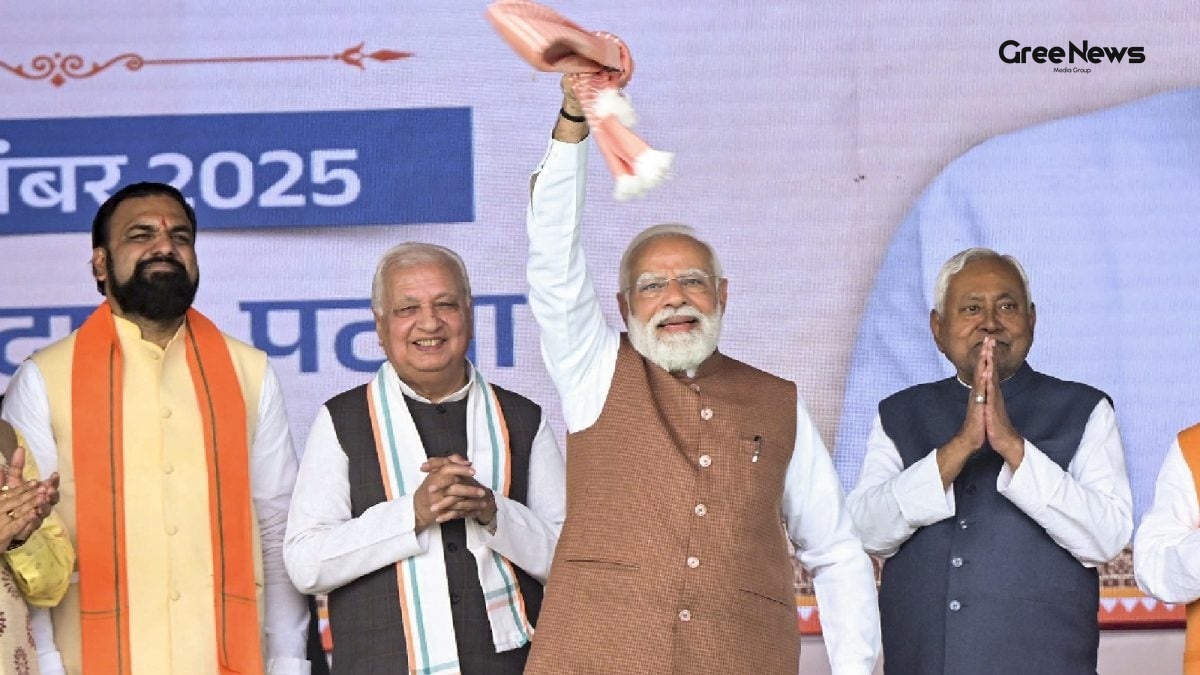
Honestly, I wasn’t expecting the whole thing to feel so massive. I arrived early at the launch venue the spot where the new stretch meets the old highway and saw a crowd that looked like a mix of local shopkeepers, school kids, and a few journalists waving flags. The whole atmosphere had that buzz you usually get with breaking news; you could feel the excitement humming in the air. When the Prime Minister’s convoy rolled in, the cheers went up like a crescendo. It reminded me of the first time I saw a new metro line open in Mumbai everyone just wanted a piece of that moment.
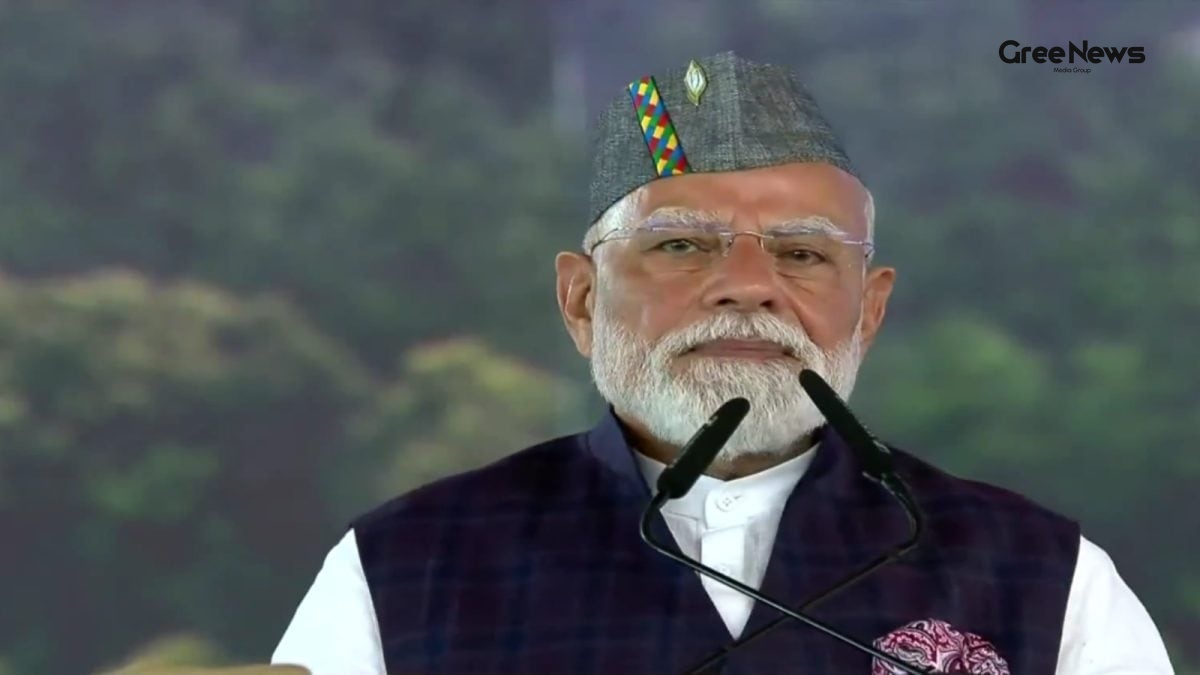
Modi’s speech, as you’d expect from a leader, was peppered with references to India’s development story. He talked about the "double‑engine" government, a phrase that’s been cropping up a lot in recent India updates, meaning two engines of growth: one from the north‑east and another from the south‑west. He said this new corridor is basically a new engine for Uttarakhand, pushing the state forward faster than before.
What the corridor actually offers
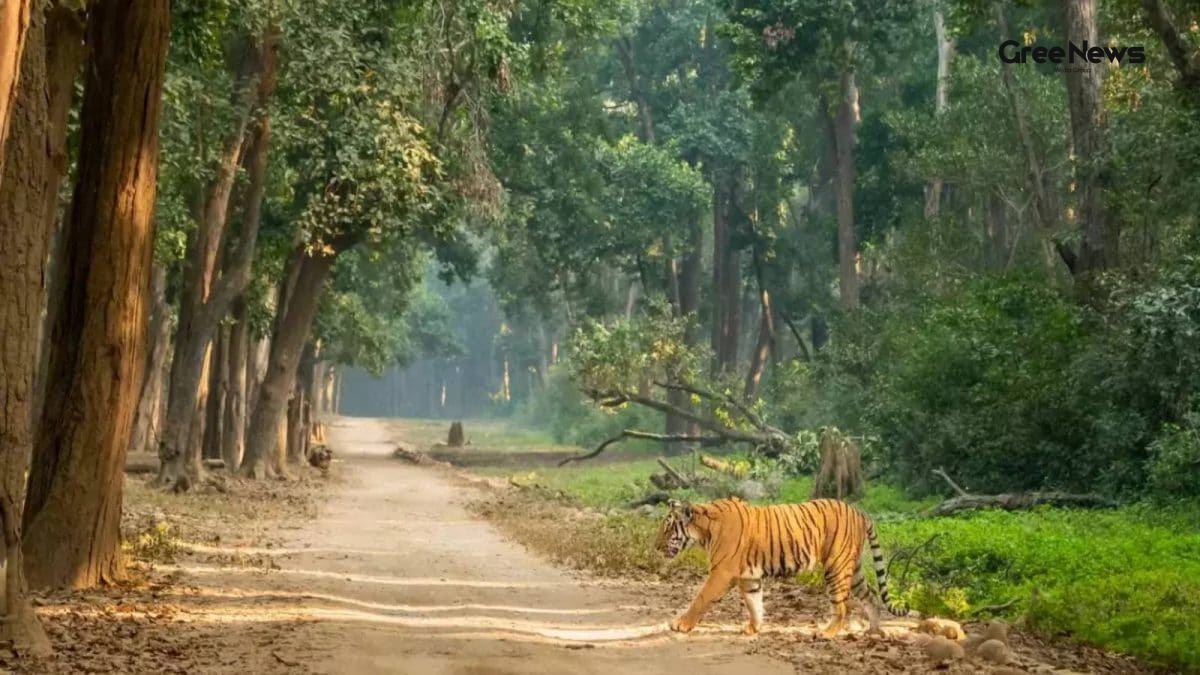
The most striking feature is the massive 12‑kilometre wildlife elevated corridor. In most cases, such structures are built to let animals like leopards, deer and even the occasional Himalayan bear cross safely without meeting traffic. It’s one of the longest in Asia, which is a point of pride for many of us who love our wilderness. I remember reading about similar projects in Kerala, but this one feels more ambitious because of the terrain steep hills, dense forests, and a lot of human settlements squeezed between.
Besides the wildlife passage, the road itself has been upgraded to a four‑lane expressway with smooth concrete surfaces, modern signage, and better lighting. The design also reduces the number of sharp bends that used to slow down buses and trucks. That’s why the travel time is expected to drop from over six hours to just about two and a half hours. I tried to imagine that a family in Delhi could now reach Dehradun in the time it usually takes to watch a Bollywood movie, which is a huge deal for both tourists and locals.
There’s also a talk about the corridor being equipped with emergency call boxes and surveillance cameras, which should help in quick response to accidents. All these little details add up to a smoother, safer journey, and that’s exactly what most commuters have been waiting for, especially those who travel daily for work or study.
Why it matters for Uttarakhand’s growth
People often ask, "What’s the point of a new road?" In my view, it’s more than just a ribbon of asphalt. Faster connectivity means better trade, and that, in turn, fuels local businesses. Small towns along the route can now get their agricultural produce to Delhi markets within hours instead of a whole day, reducing spoilage and increasing profits. I chatted with a farmer from Haridwar who told me he hopes his mangoes will reach Delhi fresh, fetching higher prices.
Tourism is another big win. Dehradun is a gateway to the hill stations of Mussoorie and the spiritual centers of Rishikesh and Haridwar. With a shorter drive, weekenders from the capital can plan quick getaways without the dread of a long, tiring journey. That’s bound to boost hotel occupancy, local eateries, and even adventure sports operators. It’s the kind of viral news that spreads among friends "Did you hear? You can now get to Dehradun in two and a half hours!" and it creates a positive feedback loop for the economy.
Modi also linked the corridor to his broader vision of "fate lines" roads, railways, and airways that shape India’s destiny. By calling the highway a "fate line", he’s essentially saying this road will steer the future growth of Uttarakhand just like the Golden Quadrilateral did for the national economy. It’s a powerful metaphor that resonates with many Indians who see infrastructure as the backbone of progress.
Constitutional highlights and the broader political narrative
During the inauguration, Modi also touched upon a few constitutional matters. He reminded the gathering that after the removal of Article 370, the Constitution now fully applies across the country, ensuring uniform implementation of laws. He used this moment to advocate for a Uniform Civil Code, saying Uttarakhand has set an example by advancing this spirit of the Constitution. The mention of BR Ambedkar’s birth anniversary added a historical flavour, linking today’s modern development to the ideals of equality and justice that Ambedkar championed.
These references might sound a bit heavy for a road inauguration, but they serve a purpose. They weave the infrastructure story into the larger tapestry of India’s political evolution. It’s like when you watch a cricket match and the commentator suddenly ties a player’s performance to a national sentiment it adds depth to the narrative.
Environmental concerns and clean‑up drives
Modi didn’t shy away from the environmental angle either. He spoke about the piles of plastic bottles and garbage that have been harming the sanctity of Devbhoomi the land of the gods. With the upcoming Kumbh Mela in Haridwar, he stressed the need to keep pilgrimage sites clean and beautiful. The corridor’s design, with its wildlife overpass, is a step in the right direction, but the real challenge lies in how people treat the surroundings.
From my own experience, I’ve seen highways turning into dumping grounds, especially during festivals. The Prime Minister’s appeal to "leave no stone unturned" is a call to action for every citizen from truck drivers to school kids to keep the new road and the nearby holy places pristine. It’s a message that’s likely to catch people’s attention and become part of the trending news India conversation, especially on social media where images of clean‑up drives often go viral.
Personal reflections what this means for everyday Indians
Talking honestly, I feel a mix of optimism and caution. The corridor is a clear sign of the government’s intent to push development in the north‑east belt, and that’s encouraging. As someone who travels to Dehradun at least once a month for family visits, the prospect of reaching there in two and a half hours is a huge relief. No more dreaded night drives, no more worries about traffic snarls on the old route.
At the same time, I wonder how quickly the promised benefits will materialise. In most cases, it takes a few years for new roads to fully stimulate economic activity you need supporting services like fuel stations, rest stops, and digital connectivity. I hope the authorities keep an eye on these ancillary needs, because a road alone won’t do the trick.
Overall, the inauguration felt like a blend of latest news India and breaking news that could reshape lives. The corridor is not just a piece of infrastructure; it’s a catalyst for change, a symbol of aspiration, and a reminder that development must go hand‑in‑hand with environmental stewardship. If the momentum continues, we might see a cascade of similar projects across other hill states, turning the idea of a "double‑engine" government into a reality we actually experience on the ground.