Bangladesh receives 5,000 tonnes of diesel from India via Friendship Pipeline, total April imports near 25,000 tonnes, more deliveries expected to ensure steady fuel supply.
When I first heard that Bangladesh was about to get another 5,000 tonnes of diesel from India, I was sitting in a chai stall in Kolkata, watching the hustle of the morning rush. Honestly, the news felt like a small miracle for a country that relies heavily on imported fuel. It’s the kind of breaking news you don’t see every day, and I could hear the excitement in the voices of the depot staff when they talked about the arriving consignment.
So, what actually happened? The diesel started flowing into the Parbatipur Padma Oil depot early on the morning of the delivery day. The depot officials told me that the pipeline, known as the India‑Bangladesh Friendship Pipeline, began feeding the fuel straight from the Numaligarh Refinery Limited in Assam. The whole process felt almost cinematic you could picture diesel gliding through the pipeline, crossing borders, and finally reaching the tanks at Parbatipur.
Steady inflow of fuel supplies
It’s not just this one batch; there’s been a steady wave of shipments lately. Let me break it down for you the numbers are pretty straightforward but tell a larger story of how Bangladesh is securing its energy needs.
- 8,000 tonnes were received on April 14
- 22,000 tonnes had arrived in March
- A total of 30,000 tonnes was delivered between March and mid‑April
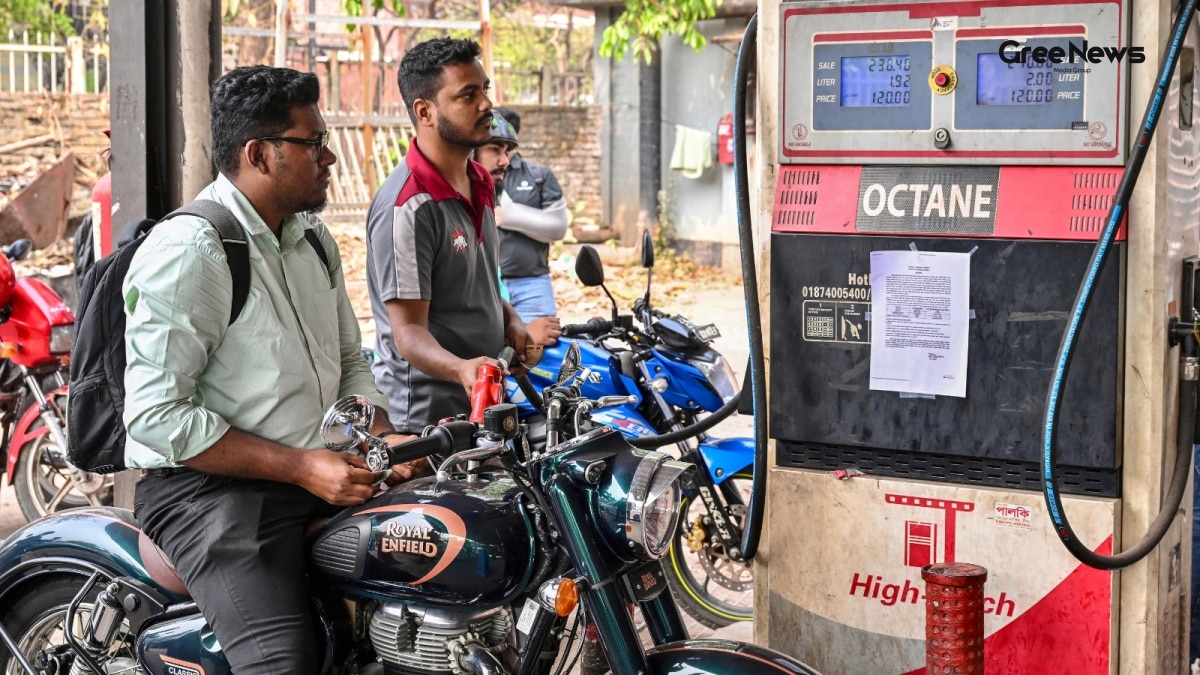
With the latest 5,000‑tonne addition, Bangladesh is expected to have taken in around 25,000 tonnes of diesel just for April. That’s a massive volume when you consider the daily demand for transport, power generation, and industrial use across the nation. In most cases, such a flow of diesel helps keep the fuel stations stocked, the generators humming, and the trucks moving especially during our hot summer months when the power grid gets stretched thin.
What’s interesting is how quickly the pipeline moves the fuel compared to traditional shipping. The sea route can take weeks, but the pipeline gets diesel across in just a few days. That speed has turned the pipeline into a real energy lifeline, especially for border states that are heavily dependent on road transport.
More deliveries expected
Now, here’s the part that kept me hooked: depot authorities have already signaled that another 7,000 tonnes of diesel is likely to arrive within the next four to five days. Imagine the relief on the faces of the people who manage the fuel distribution they can finally take a breath and plan ahead without the fear of sudden shortages.
“The government is continuing to import diesel from India through pipelines to maintain normal fuel stocks and ensure uninterrupted supply,” says Md Ahsan Habib Chowdhury, depot manager. His words echo the confidence that the pipeline will keep the wheels turning smoothly for Bangladesh.
And this isn’t just a one‑off thing; the pipeline has been designed for a continuous flow. The fact that Bangladesh is receiving such large volumes on a regular basis shows that the aGreement between India and Bangladesh is working well. It’s the kind of story that often becomes viral news among industry insiders because it showcases a successful cross‑border collaboration.
Ensuring uninterrupted supply
What surprised many people was that the Parbatipur depot stayed fully operational even on a public holiday. While most offices were closed, the depot team, led by Md Ahsan Habib Chowdhury, kept the pumps running. That dedication underlines how crucial diesel is for everyday life from school buses to hospital generators.
To manage the incoming supplies efficiently, the depot uses a mix of modern monitoring systems and traditional checks. The pipeline’s real‑time flow meters give instant data, letting the staff at Parbatipur know exactly how much diesel is coming in at any moment. It’s a blend of technology and hands‑on vigilance that ensures there’s no hiccup in the supply chain.
In most cases, the quick turnaround of diesel through the pipeline also helps keep prices stable, which is a huge relief for commuters and small businesses alike. When fuel prices spike, it trickles down to everything transport, food, even education costs. So, the steady inflow acts like a protective shield against sudden price hikes.
Strengthening energy ties
Beyond the numbers, the whole operation highlights the growing energy cooperation between India and Bangladesh. The pipeline has become a symbol of trust, showing how two neighbours can work together to solve a critical need. It’s not just about diesel; it’s about building a relationship that can handle future challenges, like renewable energy integration or joint infrastructure projects.
When I talked to a senior engineer at the Numaligarh Refinery Limited, he mentioned that the pipeline was originally envisioned as a modest project but has now turned into a major conduit for fuel. The engineer’s eyes lit up as he explained how the pipeline’s capacity could be expanded in the future, maybe even to include other petroleum products.
This development has been featured in several rounds of latest news India and trending news India portals, catching the attention of policymakers and business leaders. It’s a clear sign that energy security is a top priority for both nations, and the pipeline is a tangible step toward that goal.
What happened next is interesting as the pipeline continues to prove its worth, there are talks of new projects that could further deepen the energy corridor. Imagine a future where natural gas, refined products, and even electricity could flow through similar channels, making the region more resilient.
All in all, the steady flow of diesel through the India‑Bangladesh Friendship Pipeline is more than just a supply chain story. It’s a narrative of cooperation, reliability, and forward‑looking vision that resonates with anyone who follows India updates. The fact that the pipeline delivers fuel faster and cheaper than shipping by sea makes it a standout case of how infrastructure can shape economies.