Trump Blasts NATO Over Hormuz Standoff, Says He No Longer Wants Their Help
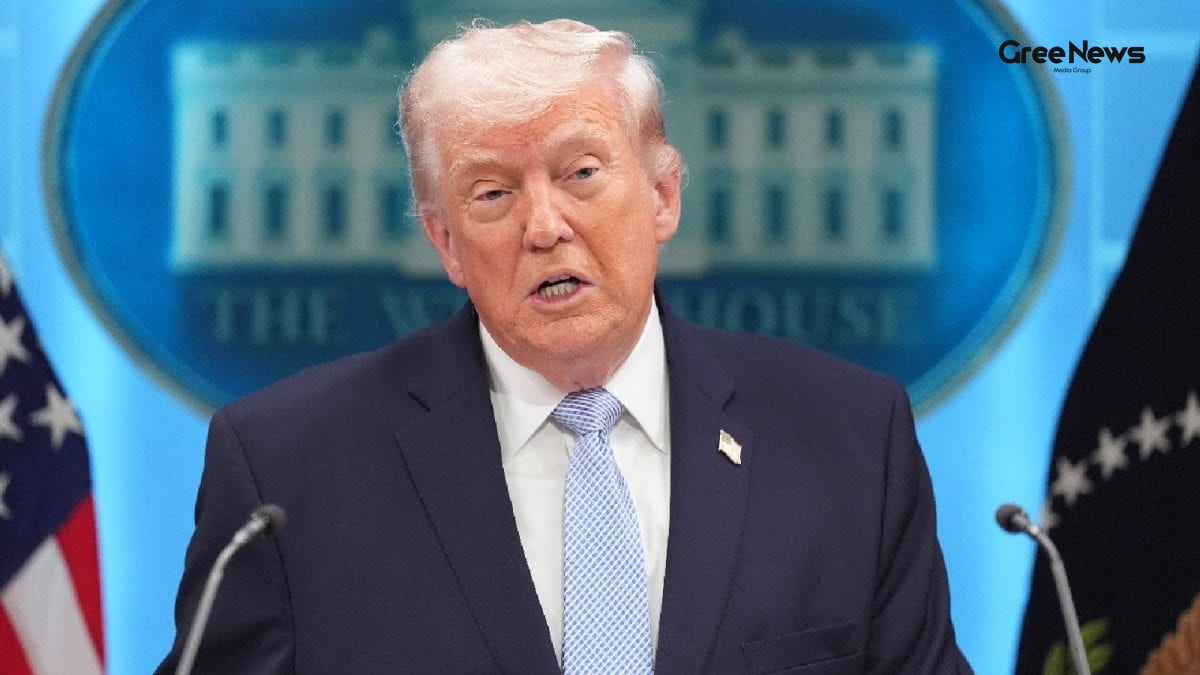
The US President's remarks came amid renewed debate over NATO's role in regional security and energy route stability.
Honestly, when I first heard about Donald Trump’s comments at the Turning Point USA event, I thought it was just another political rant. But as I listened, I realised there was a genuine frustration behind the words, especially when he talked about the Strait of Hormuz a waterway that practically decides the price of petrol back home in Delhi and Mumbai.
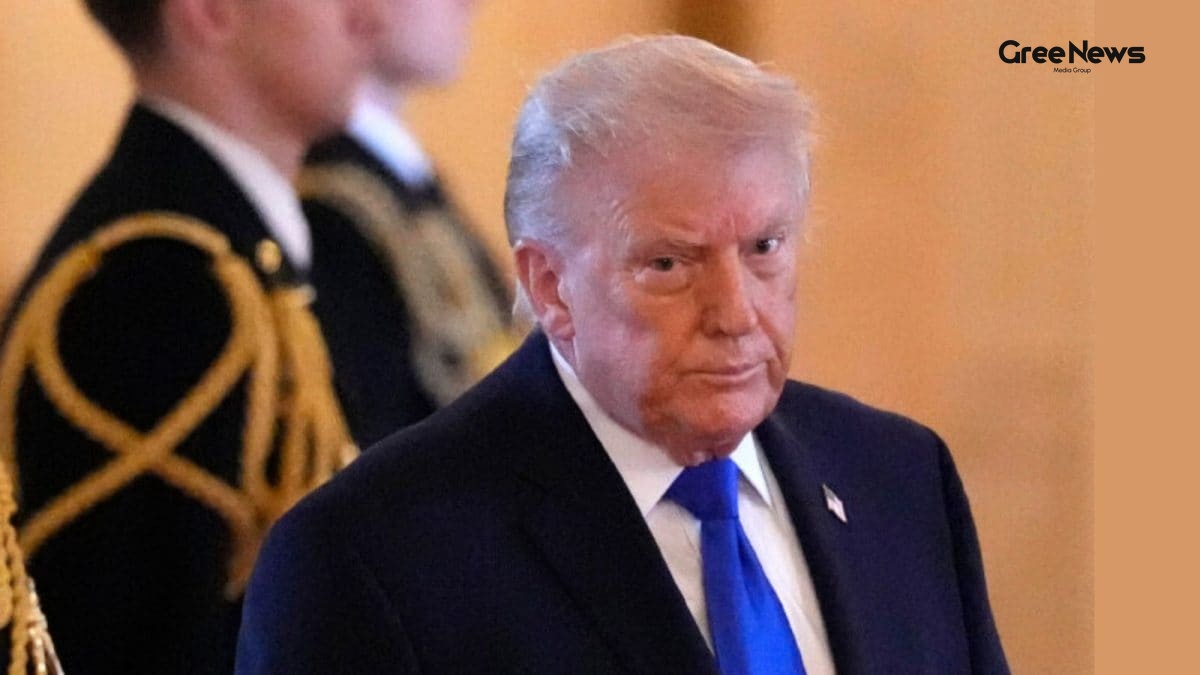
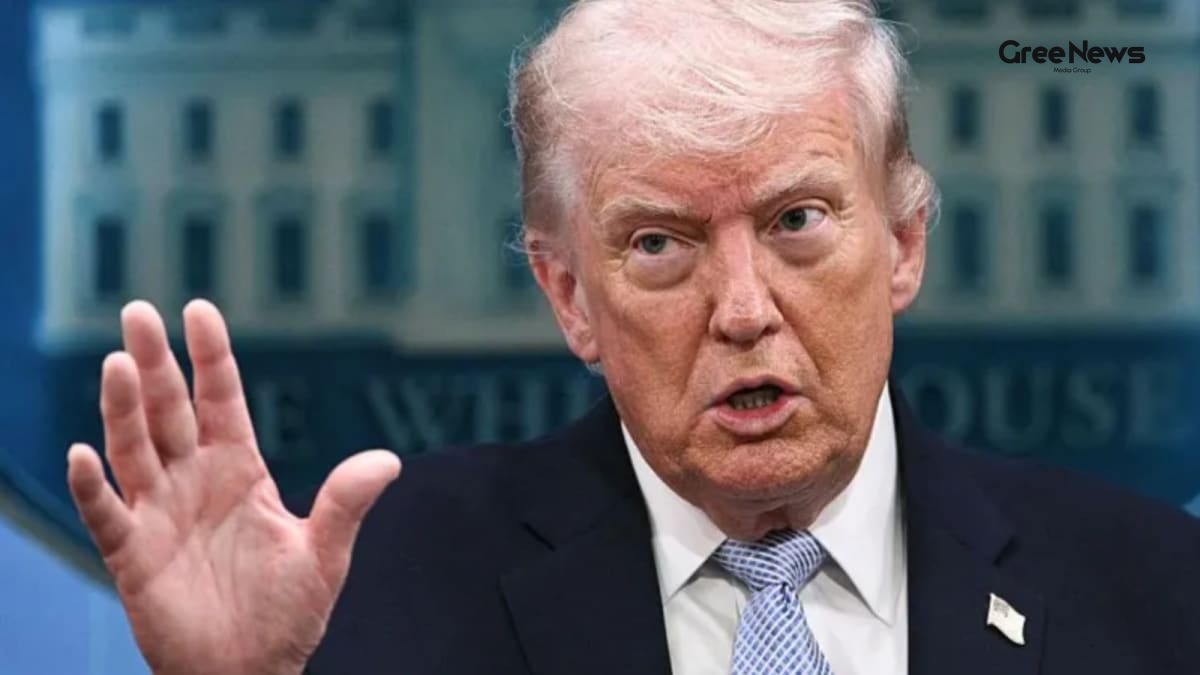
Trump said he got a call from NATO asking if the United States wanted any assistance now that the Hormuz tension was “almost over”. He replied, “I would have liked your help two months ago, but now I really don’t want your help any more.” The tone was sharp, and he followed up with a line that sounded like it was ripped straight from a Hollywood script: “Actually, we never needed them. They needed us. They needed us so badly.”
For anyone who follows breaking news, this quote quickly turned into viral news. It sparked countless memes, debates on Twitter, and even heated discussions in local cafés across Bangalore where we often talk about India updates on global geopolitics while sipping filter coffee.
What made this episode even more interesting was how Trump praised regional players Saudi Arabia, the United Arab Emirates and Qatar for what he called “great bravery and help”. He seemed to be sending a clear message that the traditional Western security architecture, represented by NATO, was not the only game‑changer in this part of the world.
What Really Happened in the Strait of Hormuz?
The Strait of Hormuz, you know, is that narrow chokepoint between Iran and Oman where about a fifth of the world’s oil passes every day. When Iran announced that it would keep the waterway “completely open” for commercial shipping during the cease‑fire, it was a huge relief for traders. The Iranian Foreign Minister Abbas Araghchi said the decision was in line with the cease‑fire in Lebanon and that all commercial vessels could sail on the coordinated route already announced by the Ports and Maritime Organisation of the Islamic Republic of Iran.
From my own experience watching the prices of petrol at local fuel stations, the news of the reopening felt like a breath of fresh air. It meant that, at least for a while, the cost pressure on Indian consumers could ease. And that’s why the story quickly became part of the trending news India feed on most news apps.
Trump confirmed the reopening, stating the waterway was “fully open and ready for full passage”, but he added a caveat the US naval blockade would continue to apply to Iran until a final deal was sealed. This subtle nuance kept the situation delicate. The blockaded vessels were largely Iranian, and the US wanted to maintain a negotiating lever.
Why NATO’s Reaction Matters to India
Now, you might wonder why an American‑Iranian maritime spat is something that matters to the everyday Indian reader. The answer lies in how interconnected our energy supply chain is. When the Hormuz Strait faces trouble, the ripple effect reaches the Indian Ocean, influencing shipping routes, insurance costs, and ultimately the price of diesel that powers our autorickshaws and trucks.
India has been watching NATO’s stance closely because the alliance’s naval capabilities could, in theory, lend a stabilising influence in the Gulf. However, Trump’s criticism suggested that NATO was playing catch‑up, only offering help when the crisis was already de‑escalating. This narrative has fueled discussions about whether India should rely more on its own maritime forces or perhaps deepen defence ties with the US and other friendly nations.
In the Indian defence circles, this has become a hot topic, fueling a lot of the latest news India about strategic autonomy and the need for a stronger Indian Navy. Many policy analysts argue that the incident underscores the importance of India’s own “Act East” strategy and its growing presence in the Indian Ocean Region.
Public Reaction: From Social Media to Street Conversations
When the clip of Trump’s remarks hit the internet, the reaction was immediate. On platforms like X (formerly Twitter) and Instagram, you could see the hashtag #NATOandTrump trending alongside #HormuzCrisis. People were sharing screenshots, adding their own captions, and, of course, comparing it with other US presidents’ handling of Middle‑East issues.
In my WhatsApp groups, the conversation turned surprisingly personal. One friend from Chennai, who works in shipping logistics, mentioned how his company had been waiting for a clear signal from the US about the blockade. Another friend from Delhi, an avid follower of political news, joked that maybe NATO should start sending “help” in the form of noodles and chai a classic Indian way of saying “we’ve got this”.
Even local news channels picked up the story, branding it as a piece of breaking news that could affect “energy route stability”. The phrase “paper tiger” that Trump used to describe NATO became a meme in itself, showing up on t‑shirts and even on the back of a local tea stall’s board.
Implications for Future NATO‑India Relations
Trump’s sharp words have inadvertently opened a new debate about NATO’s relevance in South Asian security. Some experts argue that NATO’s traditional focus on Europe makes it less suited to address the unique challenges of the Indian Ocean. Others counter that the alliance’s vast naval assets could still play a vital supporting role, especially if coordinated with Indo‑Pacific partners.
For India, the takeaway seems clear: while alliances matter, self‑reliance is becoming a buzzword that resonates with the public. The Indian Ministry of Defence has, in recent years, been pushing for indigenous shipbuilding and the development of advanced naval platforms. This aligns with the broader narrative that the country is moving from being a “strategic partner” to a “strategic player”.
In most cases, the conversation back home circles around the idea that if NATO can’t provide timely assistance, India might have to step up its game in the maritime domain. This sentiment has fueled a surge in discussions on India updates relating to the country's naval modernization programmes, including the indigenous aircraft carrier projects and the procurement of new submarines.
Economic Angle: What It Means for Indian Consumers
While geopolitical pundits argue about defence strategies, many of us ordinary Indians are simply interested in whether the price of diesel will go up or down. The reopening of the Hormuz Strait, as confirmed by Trump, meant that the choke point was no longer a bottleneck for oil shipments. This, in turn, gave a little breathing room to the global oil market.
In the days following the announcement, commodity traders in Mumbai’s Dalal Street reported a subtle dip in Brent Crude futures, which eventually trickled down to the retail prices at fuel stations across the country. It wasn’t a massive drop, but enough to make the headlines on the “latest news India” feeds of several morning newspapers.
For many, this translated into less anxiety over the next few weeks of fuel prices, especially when the monsoon season is usually a period of high energy consumption for irrigation and electricity generation. So, while the political drama made the front pages, the underlying economic relief quietly made its way into everyday conversations.
Conclusion: A Lesson in Real‑Time Geopolitics
Looking back, Trump’s blunt criticism of NATO over the Hormuz episode serves as a reminder that global alliances can be as fragile as the vessels navigating narrow straits. The episode also underscores how quickly an international development becomes part of the national discourse, influencing everything from defence policy to the price you pay at the petrol pump.
For Indian readers, this story has been a perfect illustration of why staying updated with breaking news and trending news India is essential. Whether it’s the strategic talks in the Gulf, the naval manoeuvres in the Arabian Sea, or the simple fact that a barrel of oil is moving smoother through Hormuz, each piece ties back to our daily lives.
So, the next time you hear about a “paper tiger” or a “naval blockade”, remember there’s a whole chain of events behind those words and that chain often loops back to the streets of India, affecting everything from our headlines to our household budgets. This is the kind of story that keeps us glued to our phones, scrolling through the latest updates, waiting to see what the next twist will be.