Honestly, when I first heard about the SCO bilateral talks between India and China, I thought it was just another piece of breaking news that would fade away quickly. But then I realized it was more than that it felt like a turning point that could reshape how our neighbours interact on the bigger stage of the Shanghai Cooperation Organisation.
So, let me walk you through what actually happened, because the whole thing unfolded like a mini‑drama you’d see on a cricket commentary, full of twists, anticipation, and a dash of hope.
Why This Talk Matters A Quick Background
First, a little context. The Shanghai Cooperation Organisation, or SCO as most of us call it, started out as a security‑focused bloc aimed at fighting terrorism, radicalisation and extremism in Central Asia. Over the years, it grew to include economic, cultural, and connectivity agendas basically, everything that keeps the region ticking.
India became a full member of the SCO back in 2017 after years of observer status. Since then, we’ve been eager to use the platform to push for better trade routes, stronger people‑to‑people ties, and, of course, a stable security environment. The recent thaw in relations with China, after the long Ladakh standoff, gave both countries a fresh chance to sit down and translate high‑level decisions into ground‑level actions.
And that’s exactly what the Ministry of External Affairs (MEA) told us the bilateral consultations focused on how to actually implement the decisions taken by SCO leaders and chart the future direction of the organisation.
Inside the Bilateral Consultations My Take
I was watching the news feed on my phone, scrolling through the trending news India section when the headline caught my eye: "India and China hold first SCO bilateral talks after Ladakh thaw." The article mentioned that the talks took place on Thursday and Friday, but the real story was in the details that followed.
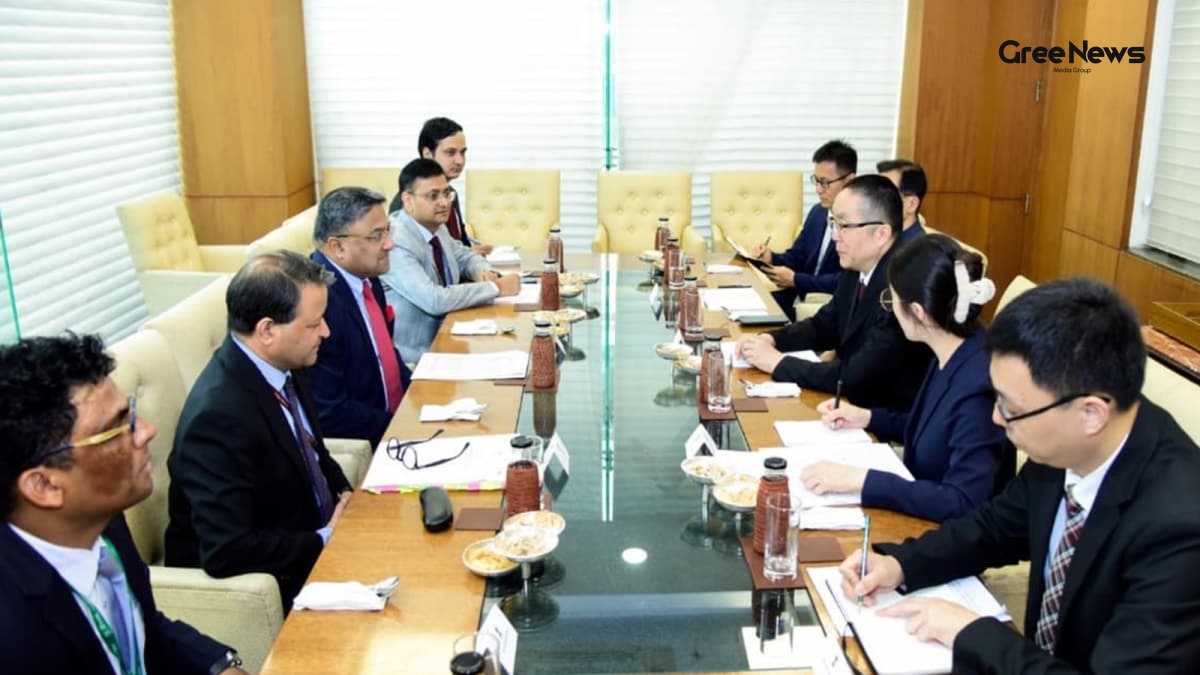
Both delegations entered the hall with a calm confidence, as if they knew that this meeting could set the tone for the rest of the year. According to the MEA, they discussed how to roll out the SCO leaders’ decisions. It wasn’t just lofty talk they talked about concrete steps in security, trade, and connectivity. They also reiterated their commitment to keep the consultations going within the SCO framework.
What surprised many people was the level of optimism. After years of flag‑pole rivalry, the atmosphere felt almost collaborative. As the report put it, both sides "expressed their commitment to sustaining and strengthening collaboration and consultations within the SCO framework." That line stuck with me because it signaled a shift from old grudges to a shared future.
Focus on Security, Trade and Connectivity The Real Agenda
Now, let’s dig into the three pillars that were highlighted. First up, security. Both India and China have been wrestling with cross‑border terrorism and radical groups that use the porous frontiers to move. By getting on the same page through SCO, they hope to share intelligence, coordinate patrols, and maybe even set up joint training programmes. It’s a bit like two neighbourhood cricket teams finally aGreeing to play together rather than against each other.
Second, trade. The talk was clear the SCO could become a conduit for smoother trade routes. Think of the Belt and Road Initiative meeting the Indian “Act East” policy halfway, with both sides looking for ways to reduce tariffs, simplify customs, and increase the flow of goods. I remembered a story from my uncle in Delhi who runs a small export business; he often complains about the paperwork at borders. If SCO can help trim that red‑tape, it could be a game‑changer for many such entrepreneurs.
Third, connectivity. This isn’t just about roads and rails, but also digital links, people‑to‑people exchanges, and cultural ties. The MEA quoted, “Connectivity that bypasses sovereignty ultimately loses both trust and meaning,” echoing Prime Minister Narendra Modi’s remarks at the Tianjin summit last year. In plain language, any project that ignores the concerns of a nation will never succeed.
All in all, the discussions felt like a roadmap for how the two biggest Asian economies can cooperate without stepping on each other’s toes a delicate balance that many of us following the latest news India hope to see materialise.
Upcoming High‑Profile Visits Adding More Spice
While the talks themselves were a big deal, the story didn’t stop there. The MEA also hinted at a series of upcoming diplomatic visits that could add more fuel to the fire. Chinese Foreign Minister Wang Yi is expected to swing by India for the BRICS foreign ministers’ meeting scheduled for mid‑May. That’s not just a routine meeting; it’s an opportunity for Wang Yi to discuss the SCO agenda within the larger BRICS context.
Even more tantalising is the possibility of President Xi Jinping visiting India in September for the SCO summit. If that happens, it would be the first visit by a Chinese president to India in years, and it would underscore the seriousness of the thaw.
People were buzzing on social media, asking, "What will President Xi say?" a classic curiosity hook that kept the conversation alive. Many were surprised by how quickly these events were aligning after the Ladakh resolution in 2024. It’s like watching a long‑running TV series finally bring its protagonists together in the finale.
India’s Perspective on the SCO A Personal Reflection
From where I sit, the importance India places on the SCO is unmistakable. The organisation offers a platform that respects sovereignty while tackling common threats. For a country as diverse and strategically positioned as India, the SCO is more than a club; it’s a safety net.
The statement from the MEA highlighted that India views the SCO charter as a guide for preserving territorial integrity. That aligns with what Prime Minister Modi said last year at the Tianjin summit any connectivity project that tries to bypass sovereignty would lose trust. In everyday terms, it’s like refusing to build a bridge that doesn’t have the consent of both landowners; the bridge would never be useful.
Moreover, the SCO’s emphasis on people‑to‑people ties struck a personal chord with me. My cousin, a student in Moscow, recently told me about an exchange program facilitated through SCO channels. He said the experience gave him a nuanced view of Russian culture, which is something policy‑driven narratives often miss.
All of this reinforces why India has been keen on deepening its engagement not just sidelining the organisation, but actively shaping its agenda.
Who’s in the SCO? A Quick Run‑Through
For those curious about the SCO’s membership, the bloc comprises ten full members: India, China, Belarus, Iran, Kazakhstan, Kyrgyzstan, Pakistan, Russia, Tajikistan, and Uzbekistan. In addition, there are several observer states and dialogue partners that join in on specific projects.
India joined as an observer back in 2005 and became a full member in 2017. Since then, our participation has grown from attending meetings to actively proposing initiatives, especially in the security and connectivity domains.
Understanding the composition of the SCO helps when you read the latest news India headlines about multilateral meetings you’ll instantly know which nations are sitting at the table and why their interests matter.
What’s Next? Keeping the Conversation Alive
To wrap things up, the bilateral SCO talks between India and China set the stage for what could be a period of robust cooperation. Both sides aGreed to keep the dialogue open, which means we can expect more joint statements, more joint projects, and perhaps even joint military exercises in the future.
What happened next is interesting: the next few weeks will likely see a flurry of diplomatic communiqués, media briefings, and maybe even a few behind‑the‑scenes negotiations that will shape the next phase of the SCO’s work. For anyone following viral news or looking for trending news India, keeping an eye on the upcoming BRICS foreign ministers’ meeting and President Xi’s visit will be crucial.
In most cases, these developments will filter down to our everyday lives whether through better trade routes that lower prices of goods, or through enhanced security that makes travel across borders smoother.
So, as a regular reader of India updates, I’ll be watching this space closely, hoping that the optimism we felt during the talks translates into tangible benefits for all of us. After all, the real measure of success will be how many of us notice a positive change in our day‑to‑day experiences.