Why I suddenly found myself reading about minimum wages
Honestly, I was just scrolling through my phone in the mornings, catching up on the latest news India offers, when a headline about a protest in Noida popped up. It was one of those breaking news alerts that makes you pause and think what’s happening on the streets of our neighbour city? As someone who has a cousin working in a manufacturing unit in Gautam Buddh Nagar, I felt that the story might hit close to home.
What caught my attention next was the mention of a new wage structure being rolled out by the Uttar Pradesh government. I had never paid much attention to wage policies before, but the fact that it was being described as a “three‑tier minimum wage” piqued my curiosity. I thought, “Okay, let’s see what this is about, maybe it will affect many families like my cousin’s.”
How the Noida protests sparked a big change
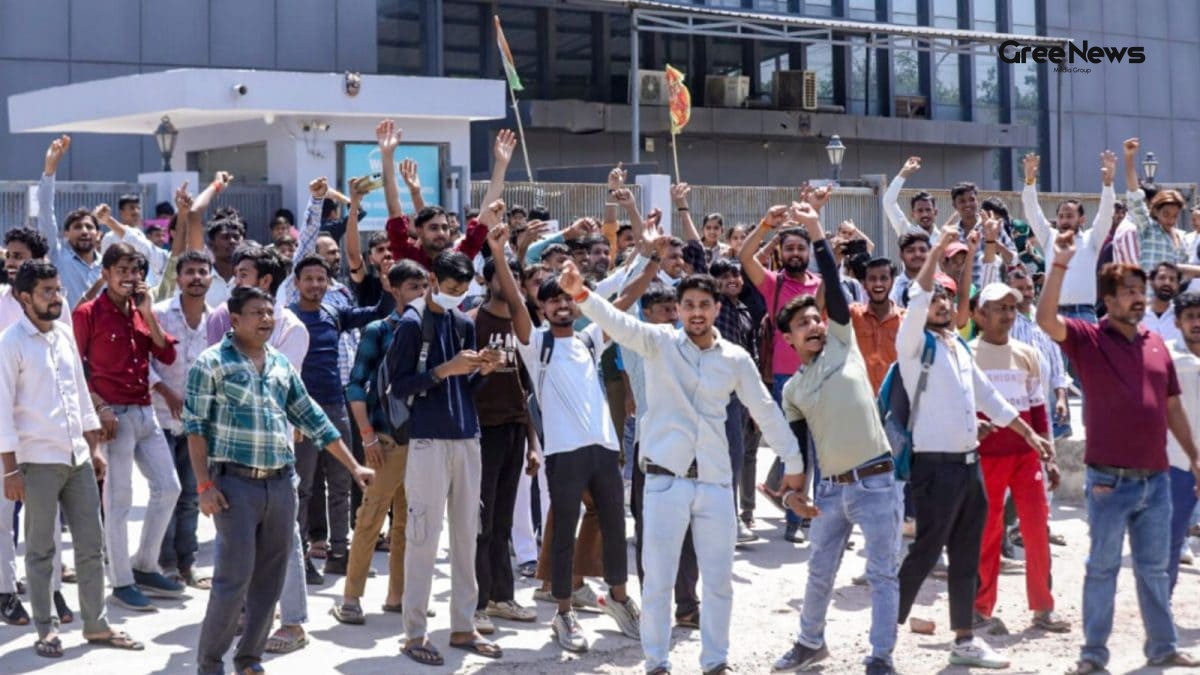
To give you a quick background a few weeks back, workers in Noida took to the streets demanding higher pay. The protests were quite intense; there were reports of clashes, and the whole episode quickly turned into viral news on social media. People were posting videos, sharing memes, and even friends were debating the fairness of the existing wage rates. In most cases, the conversation turned to how outdated the wage structure seemed, especially in fast‑growing districts like Noida and Ghaziabad.
What happened next is interesting. The state government, under Chief Minister Yogi Adityanath, decided to step in and revise the minimum wages across the entire state. The move was not just a reaction to the protests; officials said it was also based on recommendations from a high‑level committee that had been studying wage gaps for months. It felt like the state was finally listening to the street voices, and that felt somewhat hopeful.
The three‑tier wage system explained
Here’s where the policy becomes a bit technical, but I’ll try to keep it simple the new framework groups all districts of Uttar Pradesh into three categories. The classification is based on cost of living, level of urbanisation, and the overall economic activity of each area. Basically, richer or more urban districts get a higher minimum wage, while the more rural ones get a lower, but still improved, rate.
What’s new, besides the tiering, is the inclusion of a Variable Dearness Allowance (VDA). This allowance is meant to be adjusted periodically based on inflation, so that wages don’t lose their buying power over time. Think of it as a built‑in safety net that will rise or fall with the price of onions and petrol. The government described this as an “interim relief measure,” trying to strike a balance between labour welfare and keeping industries financially stable.
Top‑tier districts Gautam Buddh Nagar and Ghaziabad
Now, the numbers. For the two districts that fall under the highest bracket Gautam Buddh Nagar and Ghaziabad the minimum monthly wages are set as follows:
- Unskilled workers: Rs 13,690
- Semi‑skilled workers: Rs 15,059
- Skilled workers: Rs 16,868
I did a quick mental calculation that’s roughly a 10‑15% increase over the previous rates for many categories. My cousin, who works as a semi‑skilled technician, mentioned that this bump could really help him afford better housing in Noida, where rent has been soaring. Many people were surprised by the specific numbers, especially because these districts have a higher cost of living due to their proximity to Delhi.
Second‑tier districts municipal corporations
Next up are the districts with municipal corporations, which form the second tier. The revised wages for these areas stand at:
- Unskilled workers: Rs 13,006
- Semi‑skilled workers: Rs 14,306
- Skilled workers: Rs 16,025
These rates are slightly lower than the top tier but still a clear improvement over the older figures. I recall reading a comment from a shop owner in Kanpur who said the new wages might increase his labour costs a bit, but he appreciated that the government is trying to keep everything balanced. In most cases, business owners are watching the situation closely, because any change in wage policy can ripple through the whole supply chain.
Third‑tier districts the rest of Uttar Pradesh
Finally, the vast majority of districts fall into the third tier. They will see the following minimum monthly wages:
- Unskilled workers: Rs 12,356
- Semi‑skilled workers: Rs 13,590
- Skilled workers: Rs 15,224
Even though these numbers are lower than in the urban districts, they still represent a decent rise compared to the previous baseline. A friend of mine who lives in a small town in Allahabad told me that the extra few hundred rupees could make a real difference when it comes to buying groceries especially during the festive season. Many people were surprised that the state chose a tiered approach rather than a flat increase for the whole state.
Why the tiered approach matters
From a policy perspective, categorising districts helps address regional economic disparities. In the past, a uniform minimum wage often left workers in high‑cost areas struggling, while businesses in cheaper zones felt squeezed. By aligning wages with local living costs, the government hopes to bring more uniformity without hurting competitiveness.
In my own experience, I’ve seen how a one‑size‑fits‑all policy can backfire. A neighbour who runs a small garment unit in a rural block once complained that a sudden uniform increase made it impossible for him to keep prices low, and he eventually had to lay off a few workers. This tiered system, therefore, seems to be a step towards a more nuanced approach, which many labour experts are calling a “balanced solution.”
How the decision was formalised
Technically speaking, after the protests, the Uttar Pradesh Cabinet, led by Yogi Adityanath, approved the new wage rates. The proposal then went to the Governor for assent, and once that was secured, an official notification is expected to be issued soon. The whole process was fast‑tracked because the situation in Noida had become a focal point of trending news India. The government didn’t want the unrest to linger, and they also wanted to show that they could act swiftly when public pressure builds up.
Officials have repeatedly said that this isn’t a one‑off fix. They plan to review the wage rates from time to time, especially as inflation trends shift. So, we might see further tweaks in the future, depending on how the economy behaves and what feedback they get from both workers and employers.
What the public is saying
On social media, the reaction has been a mixed bag. Many labour unions hailed the move as a victory, thanking the state for finally acknowledging their grievances. Others, especially some industrial lobby groups, warned that higher wages could push small businesses into a tight corner, particularly if the VDA doesn’t keep pace with real inflation.
What’s clear is that the conversation has moved from angry protests to thoughtful debates about how to sustain growth while ensuring workers get a decent living. Some of my acquaintances in the IT sector even joked that they now have a new “minimum wage benchmark” to compare against their own salary expectations.
My takeaways
Looking back, I feel the whole episode illustrates how a localized issue can become an India updates story that resonates across the country. The protests in Noida turned into a catalyst for a policy tweak that will affect millions of workers. It also shows that the state is willing to experiment with tiered wages, a move that could serve as a model for other states grappling with similar problems.
For everyday people like us, it’s a reminder that staying informed about breaking news isn’t just about knowing what’s happening on TV it’s about understanding how those events might change the lives of our relatives, neighbours, and even ourselves. If the new wage structure actually eases the burden for workers in high‑cost districts, perhaps we’ll see a gradual improvement in living standards, at least in the short term.
And who knows? Maybe the next big story will be about how this tiered system helped a small factory in Ghaziabad expand because they could retain skilled workers thanks to the higher pay. That would be a classic example of a policy ripple effect, and it would definitely keep us watching the latest news India for the next chapter.