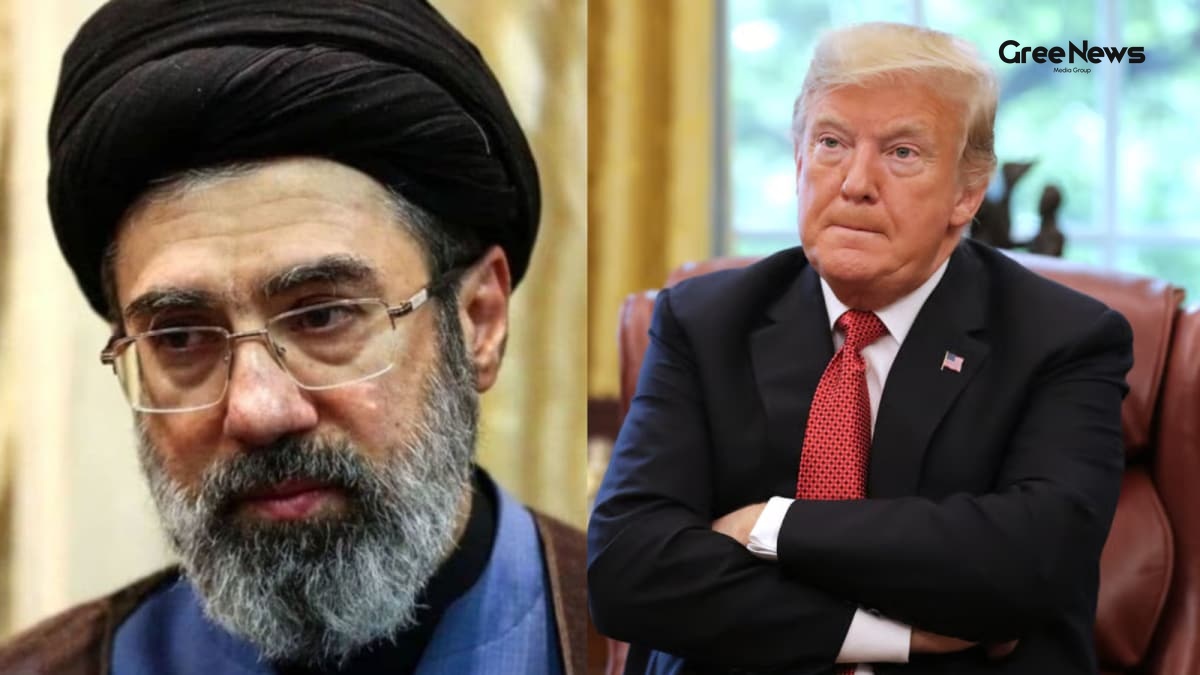
Iran mocked Trump's claim that Tehran aGreed to keep Hormuz Strait open. Iranian officials have denied any such deal.
Honestly, when I first saw the tweet, I thought someone was pulling a prank. It was trending on my WhatsApp news groups as one of those "viral news" bites you just can’t ignore. The Iranian embassy in Zimbabwe decided to give former US President Donald Trump a piece of its mind but in a way that sounded more like a friend jokingly telling you to turn off your phone before bedtime.
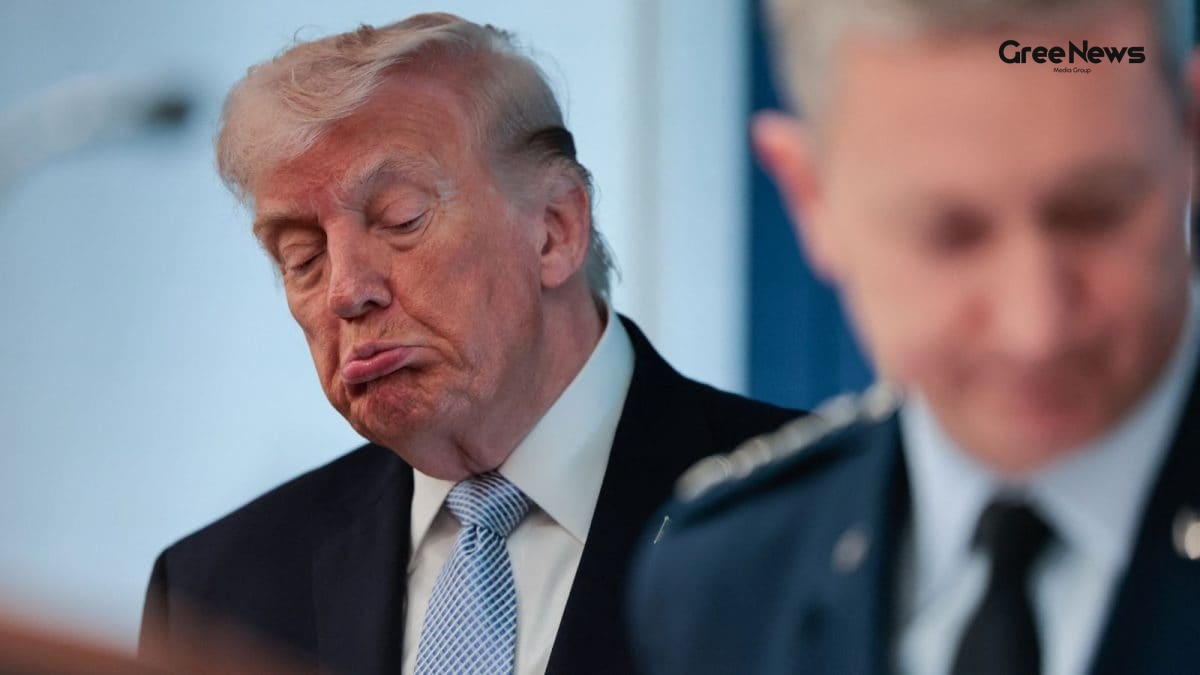
Trump had been busy on his own social‑media platform, bragging that Iran had promised never to close the Strait of Hormuz again. He even went as far as saying Iran would hand over its "nuclear dust" to the United States, calling the day "great and brilliant" for the world. In most cases, such statements become part of the usual diplomatic chatter, but this one sparked a sharp, sarcastic response that caught people's attention fast.
Trump’s Bold Hormuz Promise
On a lazy Saturday morning, while scrolling through the latest news India feeds, I stumbled upon Trump’s lengthy post on Truth Social. He wrote, "Iran has aGreed to never close the Strait of Hormuz again. It will no longer be used as a weapon against the world," and followed it up with a claim that Tehran was cooperating on nuclear waste disposal. He painted the whole scenario as a win‑win, almost like a TV commercial promising peace and prosperity.
What made this claim particularly eye‑catching was the way he framed it as a definitive aGreement something that would supposedly remove a long‑standing lever of pressure from Tehran. For a country heavily dependent on oil imports, the safety of the Hormuz route matters a lot, and any hint that it might stay open permanently is sure to cause a stir among traders, analysts, and the average Indian who hears about oil price hikes on the news.
At that point, I was thinking about the oil price alerts that keep popping up on my phone. If the strait were really guaranteed to stay open, would we see any difference in fuel costs? That curiosity kept me glued to the story as it unfolded.
Iran’s Witty, Yet Cutting Reply
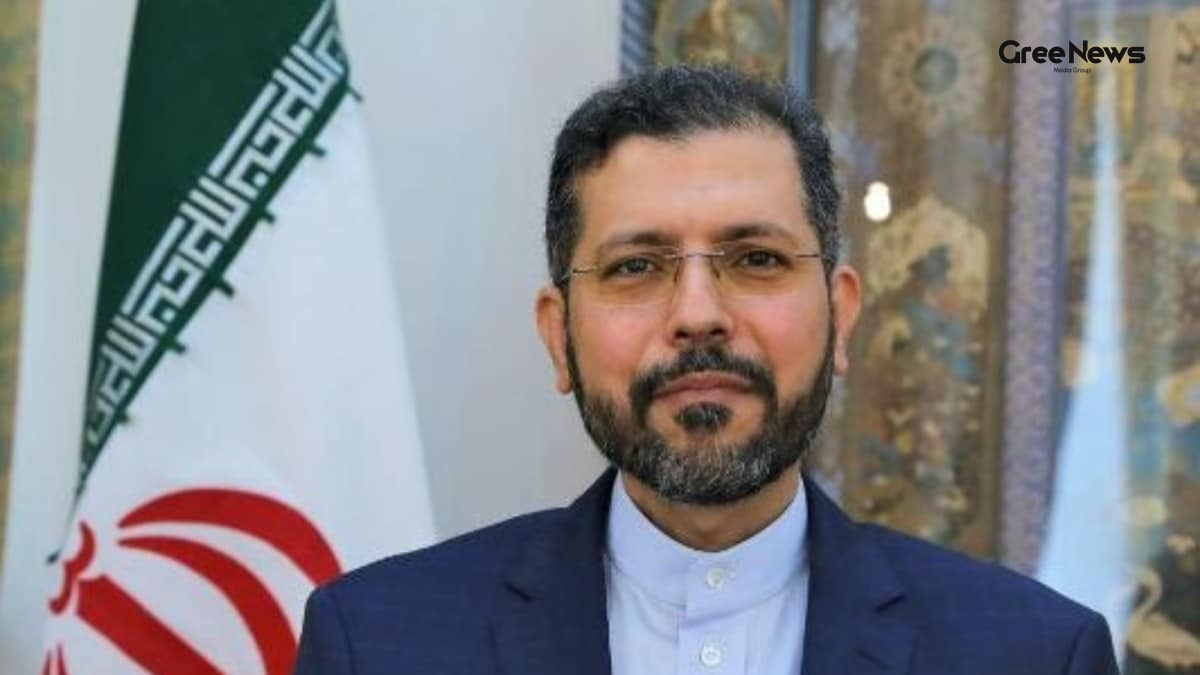
The Iranian embassy’s post on X (formerly Twitter) was short, sharp and sprinkled with a dose of humour that felt very familiar to us Indians who love a good meme. It read:
“Try not to show yourself too happy. Have a little prestige; 2. Never, (emphasise) never think to the new legal regime of the Strait of Iran. We will fix it; 3. Turn off the phone, relax, no more posts and, block Bibi for one week; 4. Eat a light dinner and sleep well.”
Now, “Bibi” is a nickname for former Indian Prime Minister (yes, we Indians love nicknames!). The line "block Bibi for one week" was a cheeky dig, hinting at Trump’s own habits of constantly posting. The whole reply sounded like a friend telling you not to get too excited about a rumor before bedtime.
Many people were surprised by this tone. Instead of a stern diplomatic letter, they got a tweet that felt like a conversation over chai. It made the story go from a regular political claim to something that felt personal, which is why it quickly became part of the breaking news in India.
Parliament Speaker’s Strong Rebuttal
While the embassy’s tweet added the humor, Iran’s Parliament Speaker Mohammad Bagher Ghalibaf delivered the serious side of the push‑back. He accused Trump of "seven false claims in one hour" and warned that Iran still retained the option to shut the waterway if US actions, such as a naval blockade, were deemed hostile. His words were a reminder that behind the jokes, there’s a real strategic calculus at play.
In most cases, the Speaker’s statements are like the fine print you skim over when reading an ad. But here, it mattered because it signalled that Tehran would not be bullied into silence. The speaker’s warning also hinted that the closure of Hormuz could still be used as a bargaining chip a point that many analysts in India have been tracking closely given our reliance on imported oil.
What struck me, as someone who follows the energy sector news closely, was the contrast between Trump’s over‑optimistic narrative and Iran’s grounded, almost blunt dismissal. It felt like watching two sides of a debate where one side is shouting about a bright future while the other is calmly pointing out the real hurdles.
Why This Matters for India and the Rest of the World
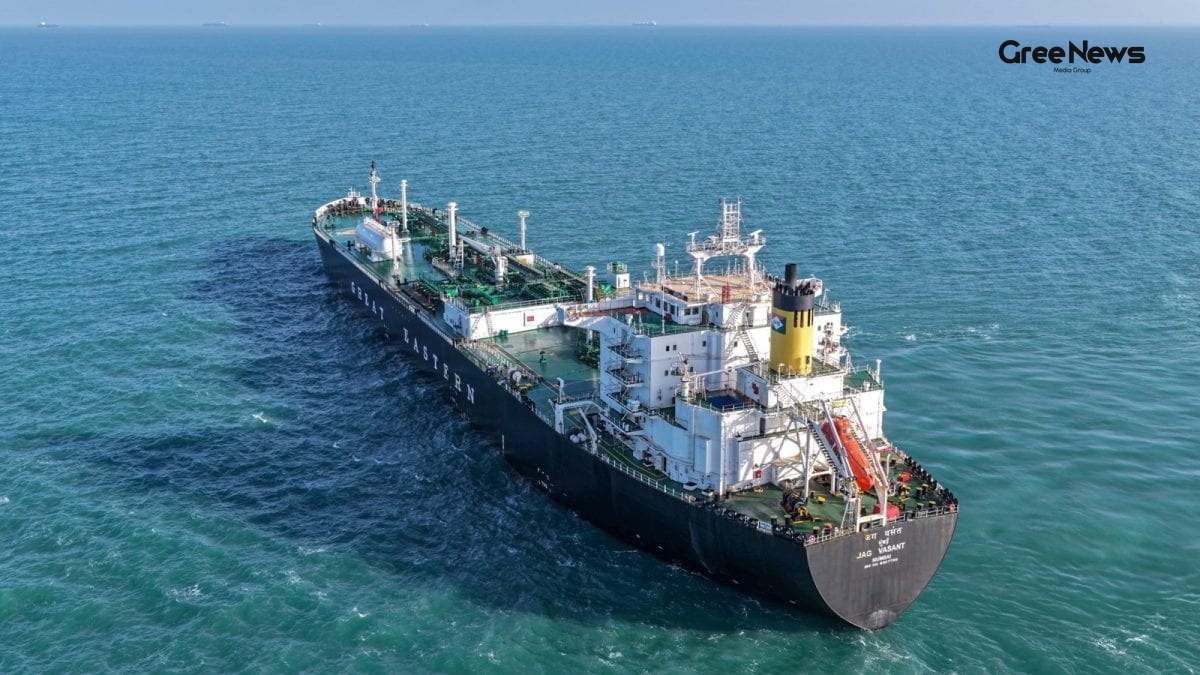
Now, you might wonder why a spat over a tweet matters to us in India. The answer lies in the fact that about 20% of the world’s oil passes through the Strait of Hormuz daily. Any disruption can push crude prices up, which eventually reflects in fuel costs at the pump.
The exchange also feeds into larger narratives about US‑Iran diplomacy, which has been a hot topic in trending news India for the past few months. Whether it’s the ceasefire in Lebanon or the recent talks about lifting sanctions, each development can shift market sentiment. That’s why this particular “viral news” story got a lot of attention it combined geopolitics, social‑media drama, and a potential impact on everyday life.
When I discussed the episode with a few friends over tea, one of them said, "If they can keep Hormuz open, maybe we’ll finally see cheaper diesel for trucks." That curiosity-driven comment summed up the general mood among many Indians: hopeful, but cautious.
The Bigger Picture: Ongoing Diplomatic Moves
Aside from the back‑and‑forth on social media, there were other notable developments. Trump had earlier mentioned that the US blockade of Iranian ports would stay in place until a peace deal was fully completed. He also touted that Iran, with US assistance, was removing sea mines from the shipping lane a claim that seemed to aim at portraying a collaborative effort.
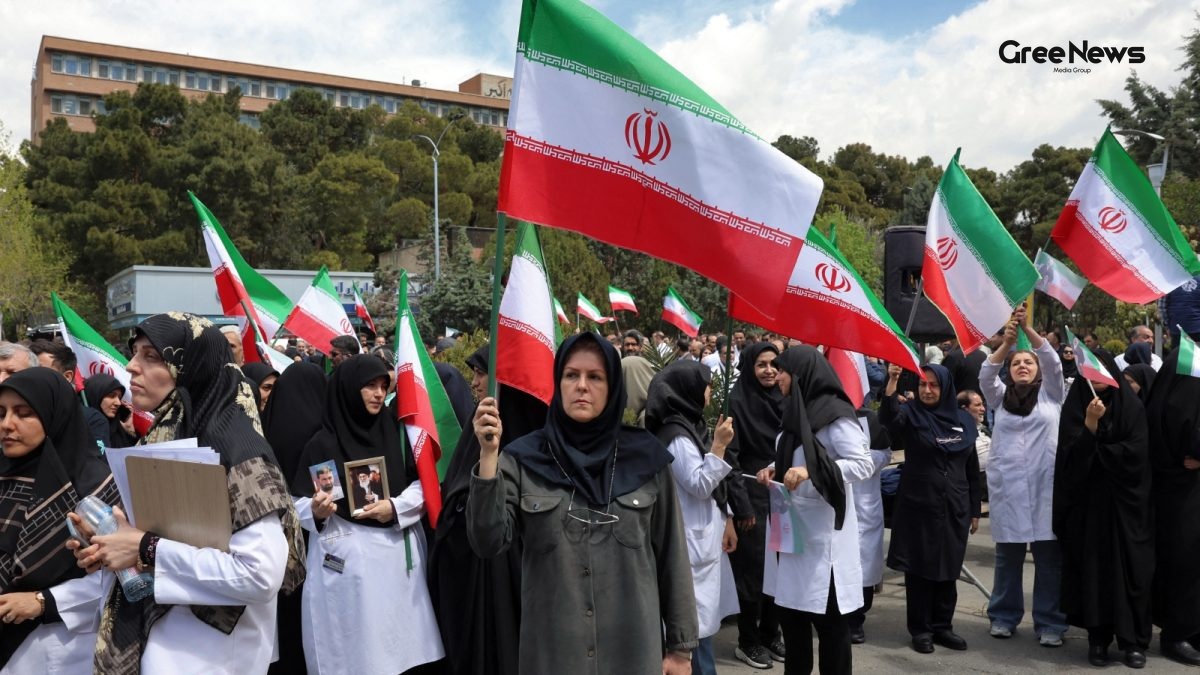
Iran, on its part, announced that the Strait of Hormuz had been reopened for commercial shipping alongside a ceasefire in Lebanon. Both statements hinted at a possible easing of two major obstacles that have long hampered US‑Iran negotiations.
What’s interesting, and something I kept thinking about, is how quickly these diplomatic tidbits move from being deep‑dive policy analyses to short, catchy snippets that appear on trending news portals. The transformation from a complex diplomatic negotiation to a meme‑like reply shows how modern media consumption works in India today.
My Take A Bit of Perspective
Honestly, reading through the whole exchange felt a little like watching a cricket match where the bowler keeps delivering a surprise yorker. You think you know what’s coming, but then the batsman (or in this case, the embassy) pulls off a cheeky reverse‑swing that catches everyone off guard.
In most cases, the real takeaway for us Indian readers is to stay skeptical of grand claims made on social media, especially when they involve geopolitics and strategic waterways. The story also reminds us how quickly humor can become a powerful diplomatic tool sometimes more effective than a formal press release.
So, as a regular news‑junkie who loves staying updated with the latest news India feed, I’d say this episode is a perfect illustration of how breaking news can be both serious and entertaining. It’s the kind of story that makes you pause, think, maybe even share the meme with a friend, and then go back to watching the evening news with a fresh perspective.
What happened next is interesting the conversation kept bubbling on both platforms, with users adding their own jokes, analysts posting charts, and politicians from various countries weighing in. It turned into a full‑blown discussion that went beyond the initial tweet, showing how a single social‑media post can spark a cascade of reactions across the globe.