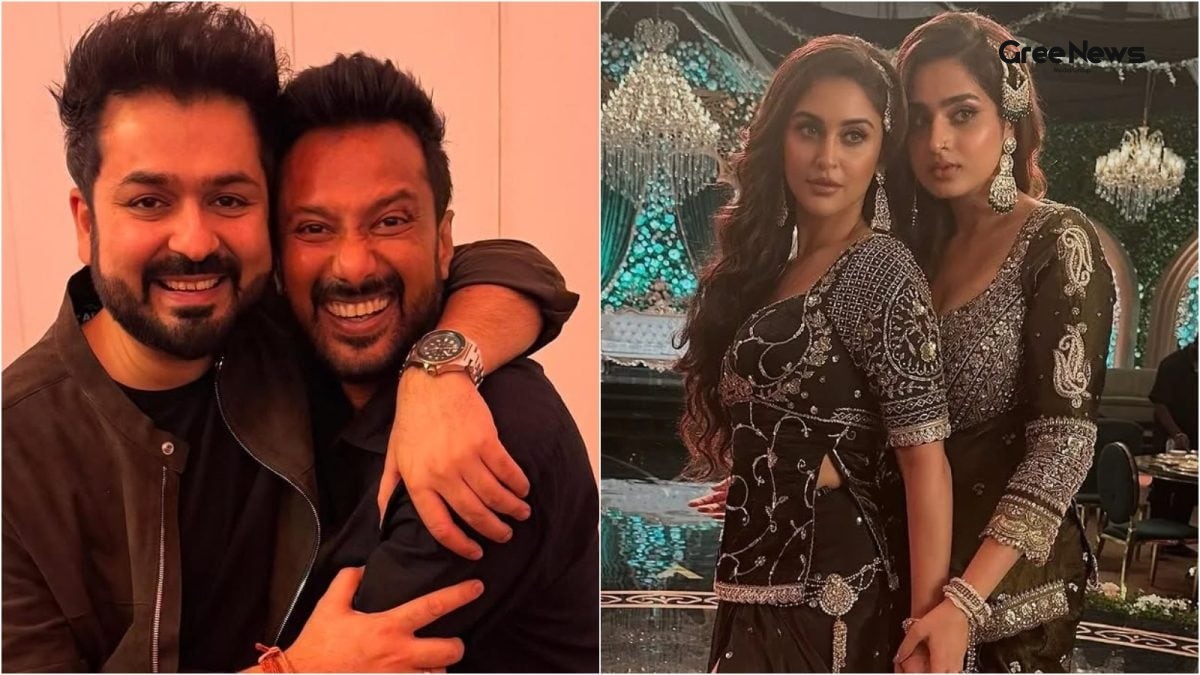
Aditya Dhar praises Vijay Ganguly for the viral hooksteps in Shararat
Okay, let me tell you a little story from my own living‑room. I was scrolling through my feed you know how we all do when we’re waiting for the kettle to boil when I saw a post that instantly felt like breaking news for any Bollywood fan. Filmmaker Aditya Dhar, who has been riding high after the massive success of Dhurandhar: The Revenge, shared a long, sincere note praising his choreographer Vijay Ganguly. It wasn’t just a thank‑you; it was a deep dive into why the song Shararat became such a viral hit across the country.
Now, if you haven’t heard about Shararat yet, let me set the scene. The track features Ayesha Khan and Krystle D’Souza, and it was choreographed by Vijay Ganguly the brother of popular TV actress Rupali Ganguly. The moment the song hit the screens, its hookstep went absolutely viral; you could see it everywhere from TikTok reels on metro rides to selfie videos at college festivals. That, my friend, is the kind of trending news India can’t stop talking about. Many people were surprised by how quickly a single dance step could dominate conversations, memes, and even daily chai‑break talks.
How I felt when I read Aditya Dhar’s note a personal take
Honestly, reading the note felt like getting a backstage pass. It reminded me of the time I tried to rehearse a Bollywood dance at home you know, the one where I kept stepping on my own feet and the living‑room lamp almost became a prop? Anyway, Aditya started his post by calling Vijay a “choreographer par excellence”. He said Vijay doesn’t just hear music he feels it, and then magically translates that feeling into something you can see. That line struck a chord with me because it’s exactly how I feel when I watch a good dance number: the music seeps into your bones, and suddenly your whole body wants to move.
He also pointed out that Vijay thinks like a director. That’s a big deal. In most cases, choreographers just plan steps, but Vijay apparently adds a storytelling layer. It’s like when a street vendor in Delhi doesn’t just sell samosa but tells you the story of his grandmother’s secret spice mix it adds flavour beyond the bite. This director‑like instinct made Aditya’s job easier, something he never expected. I could imagine him saying, “Wow, I’ve got a choreographer who can see the scene the way I do.” That kind of synergy is rare, and it’s part of why the film’s narrative felt so tight.
Why the song Shararat was almost dropped and how Vijay turned the tide
Here’s the juicy part that kept me glued to the screen Aditya admitted that he wasn’t fully convinced about having a lip‑sync dance track like Shararat in the movie. He actually confessed that he thought it might feel out of place. Can you imagine that? One of the biggest hits could have been left on the cutting‑room floor. But Vijay just smiled, gave a confident nod and said, “Let’s go for it, sir, it’ll be fun.” That simple push made both Aditya and his teammate Shashwat (who was co‑writing the script) feel the confidence they needed.
It reminded me of the time my friend persuaded me to try a new masala dosa place after I was hesitant. He just said, “Bro, trust me, it’ll be awesome.” And I went, and it turned out to be the best dosa I ever had. Same vibe here: a small smile, a few words, and a whole new wave of excitement was set in motion. What came out of that decision? According to Aditya, Shararat became one of his favourite parts of the film. He even called it his “personal favourite” something you can sense in the way he describes it, with that childlike excitement.
The behind‑the‑scenes magic a peek at Vijay’s work ethic
Aditya didn’t stop at just praising the choreography. He went on to talk about Vijay’s personality. He said that even on the toughest days, Vijay’s infectious smile and child‑like excitement made everything feel lighter. Imagine shooting a long day in a scorching heatwave at a Mumbai studio; the crew is drenched, the director is sweating, and then Vijay walks in, humming a tune, and suddenly the entire set feels like a happy gathering.
He also highlighted how Vijay brought heart, detail, and total commitment to each sequence from the quirky “Didi” part to the chaotic “Fa9la (Flipperachi)” with Akshaye Khanna. The actor’s casual hookstep during that scene turned into a meme that took over Instagram reels. That’s the sort of viral news that spreads faster than a cricket score update. Many content creators used that hookstep to make their own funny clips, and the trend just kept growing. The whole franchise, not just the movie, became a talking point across social media a perfect example of how a single dance can become a cultural phenomenon.
My own reflections on how Shararat impacted the audience
Thinking back, I remember watching the film with my family in our modest living‑room. When Shararat played, everyone from my grandma to my younger cousin started clapping, tapping feet, and some even tried the steps. My cousin, who barely knows any Bollywood songs, shouted, “This is so cool, can we do it again?” That’s the power of a well‑executed dance it cuts across age, borders, and even language. The song’s rhythm, combined with Vijay’s choreography, made it instinctively catchy.
Later that evening, while scrolling through my WhatsApp status, I saw dozens of friends posting videos of themselves attempting the Shararat steps. Some nailed it, some stumbled, but the excitement was real. That’s where the phrase “viral news” truly fits a piece of entertainment that spreads like wildfire, not because of a marketing gimmick, but because it resonates with everyday folks.
Moreover, the film’s box‑office numbers reflected this buzz. The movie kept breaking records, and a big chunk of that was thanks to word‑of‑mouth sparked by the dance. It’s the same formula that made “Munni Badnam” or “London Thumakda” everGreen. The synergy between story, music, and choreography created a perfect storm of trending news India couldn’t ignore.
What this means for Bollywood and future collaborations
From my perspective, the whole episode teaches a simple but powerful lesson: give space to creative instincts. Vijay’s confidence, coupled with his director‑like vision, turned a doubtful idea into a highlight reel for the whole country. It’s a reminder for upcoming filmmakers and choreographers that a single smile or a firm “let’s go for it” can change the trajectory of a project.
Aditya’s note also underscores the importance of appreciating the team behind the scenes. In a world where actors often get all the limelight, it’s refreshing to see a director publicly thank his choreographer, especially when that choreographer’s work becomes a national conversation starter. It also encourages more cross‑disciplinary thinking imagine a future where choreographers, screenwriters, and even costume designers sit together like a brainstorming session over chai, each bringing their own flavour to the final dish.
And for us regular viewers, it’s a treat. Knowing the behind‑the‑scenes story adds depth to our experience. The next time you see a hookstep trending, you’ll remember that there’s a whole team, a bunch of discussions, and a lot of passion that made it happen. That keeps the magic alive, don’t you think?
Wrapping up the lasting impression of Shararat
To sum it up, watching Aditya Dhar’s heartfelt shout‑out felt like getting a backstage pass to Bollywood’s creative engine. The way Vijay Ganguly turned a simple dance into a cultural wave, the way the crew’s smiles brightened long shooting days, and the way everyday people across India started mimicking the steps all of this turned a regular film song into a piece of trending news India talked about for weeks.
If you’re looking for the latest news India style, you now have a story that blends success, creativity, and a dash of personal connection. It’s a reminder that sometimes, the biggest wins come from trusting instinct, sharing stories with humility, and letting the dance speak for itself. And who knows? Maybe the next viral hookstep is just around the corner, waiting for a confident nod from a choreographer who believes, just like Vijay, that a smile can change everything.