Background: Why the Strait Matters
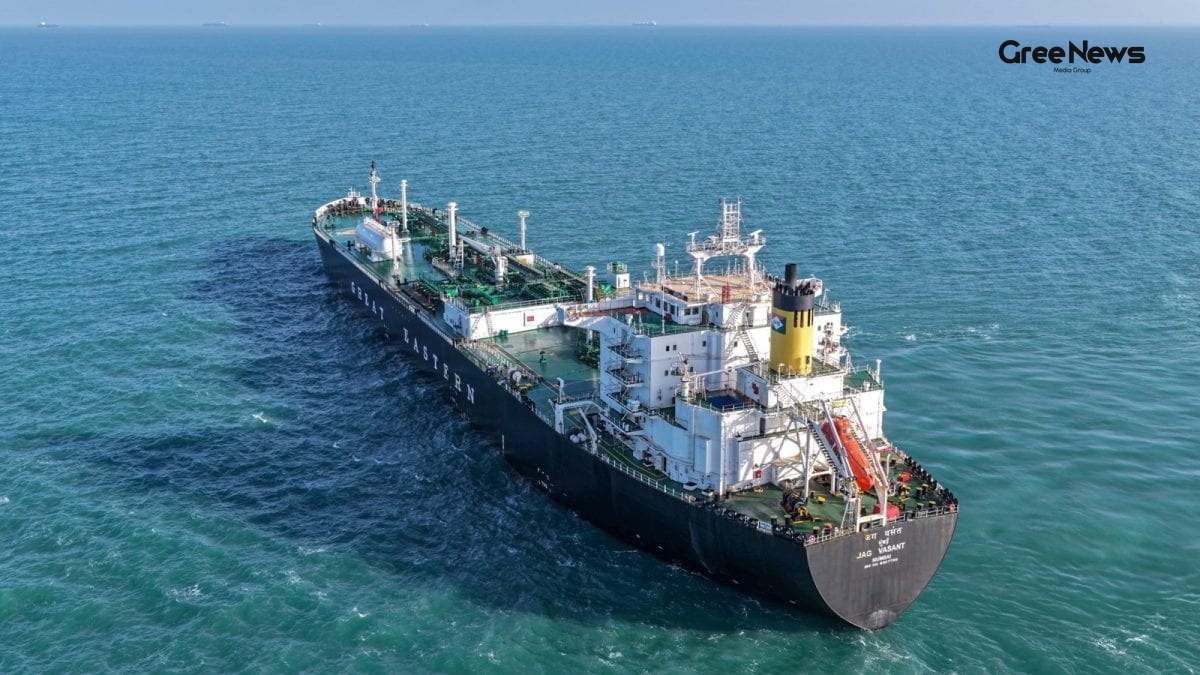
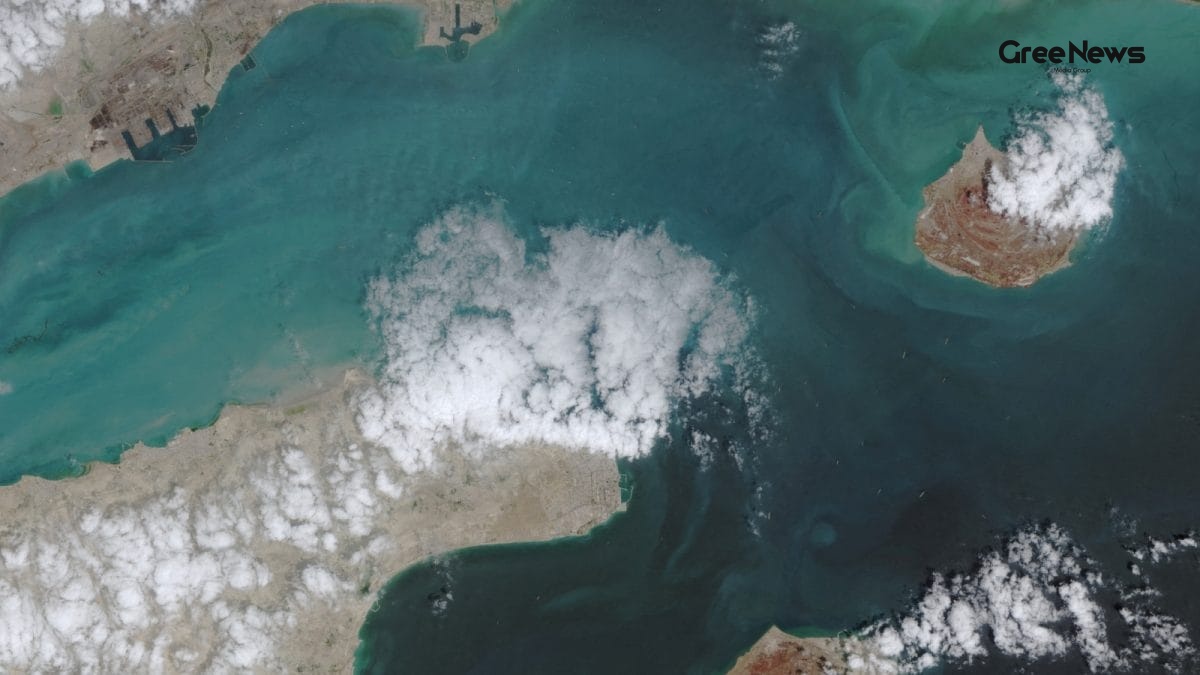
When I was sipping masala chai and scrolling through the latest news India feeds, the first thing that caught my eye was a headline about the Strait of Hormuz. This narrow passage is more than just a strip of waterit’s a lifeline for about 20% of the world’s oil and gas supplies. In most days, ships from the United Arab Emirates, Saudi Arabia, and even distant countries like Canada use this route without a second thought. But whenever geopolitical tensions flare up, the whole world stops and watches.
In the past, the United States has often kept a naval presence there, citing the need to protect shipping lanes. Iran, on the other hand, has constantly warned that any violation of its sovereignty could see the waterway shut again. So when I heard that Iran had briefly reopened the waterway after a cease‑fire aGreement was reached in Lebanon, I was instantly curious about what would happen next.
Reopening After Lebanon Cease‑Fire: What Actually Happened
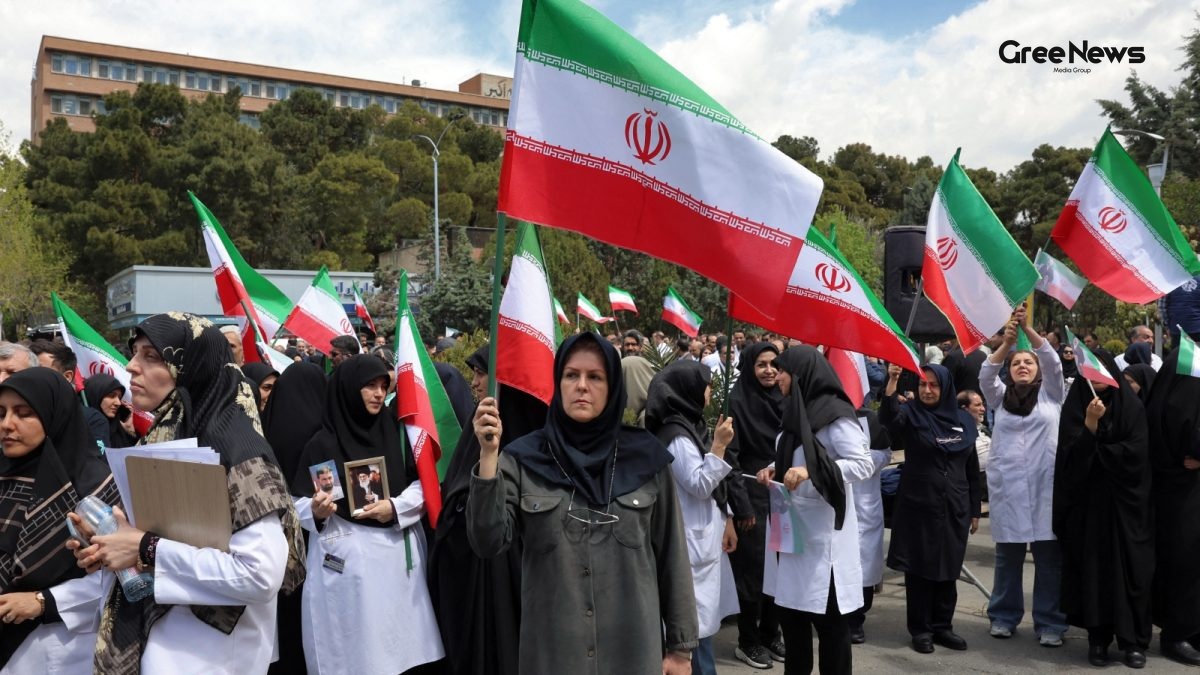
Iran announced on a Saturday that the control of the Strait of Hormuz had "returned to its previous state" after the United Nations‑mediated cease‑fire in Lebanon. The statement, broadcast on state television, made it clear that the reopening was a goodwill gesture linked to the regional calm.
What surprised many, including me, was that the announcement came just a day after a formal cease‑fire was declared in Lebanon. The timing felt almost cinematic, as if the two events were choreographed to send a message to the United States and its allies.
According to the Islamic Revolutionary Guard Corps (IRGC) joint military command, the temporary openness allowed commercial vessels to pass, but under strict supervision. The command emphasised that the waterway would stay under "strict management and control" until the United States restored full freedom of navigation for ships travelling to and from Iranian ports.
For a moment, I could see traders in Mumbai and Delhi breathing a sigh of relief, hoping that oil prices would stabilise. The narrative of the day on many viral news sites was that the Strait might finally stay open, maybe even for good.
Donald Trump’s Response: The Blockade Will Remain
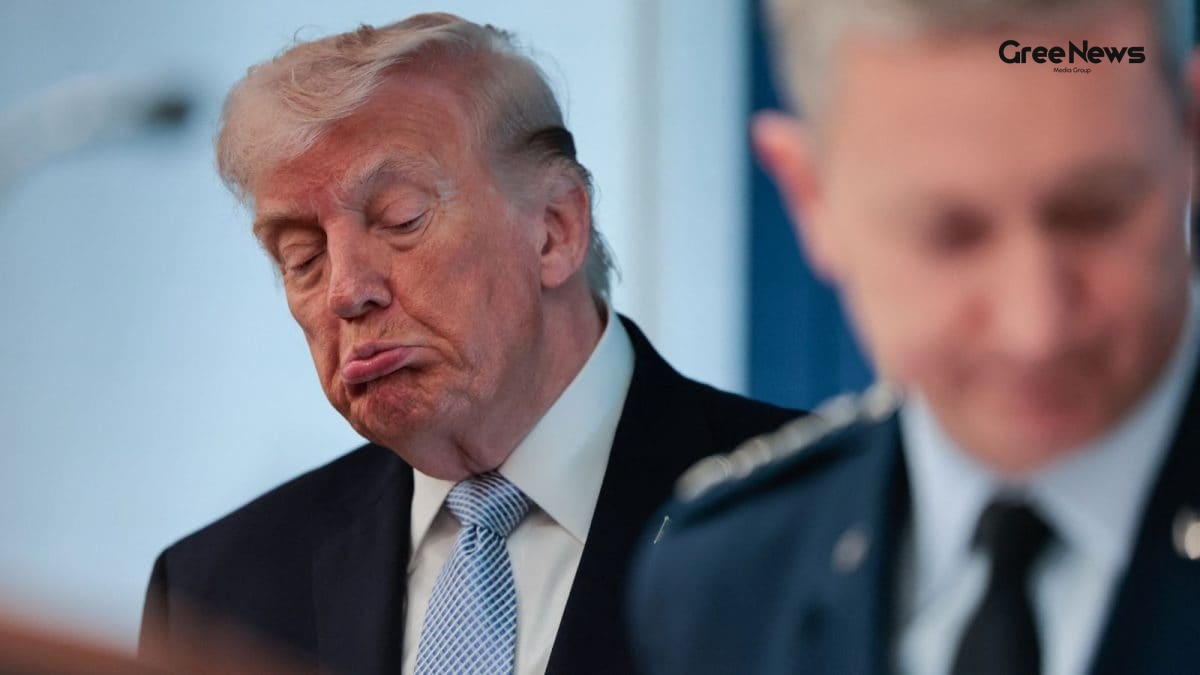
Just when the conversation in my WhatsApp groups was shifting towards optimism, Donald Trump posted a statement on his social platform asserting that the United States navy blockade would remain "in full force" until a long‑term aGreement covering Iran’s nuclear programme is finalised.
Donald Trump wrote in all caps that the Strait is "completely open and ready for business", but added that the blockade "will remain in full force and effect as it pertains to Iran only, until such time as our transaction with Iran is 100% complete". In other words, the United States will keep the pressure on, irrespective of Iran’s temporary concession.
This statement turned the trending news India discourse into a debate about freedom of navigation versus national security concerns. I found myself scrolling through comment sections, where people were quoting both sides, trying to predict whether the United States would eventually lift the blockade or double down on it.
Islamic Revolutionary Guard Corps (IRGC) Military Command: Accusations of Broken Promises
The Islamic Revolutionary Guard Corps (IRGC) joint military command made a bold declaration that the United States had broken a promise by continuing its naval blockade. According to the command, the United States had engaged in "acts of piracy and maritime theft" under the guise of a so‑called blockade.
"For this reason, control of the Strait of Hormuz has returned to its previous state, and this strategic waterway is now under strict management and control by the armed forces," the statement read. The command added that until the United States restores full freedom of navigation, the status of the Strait will remain tightly controlled.
Reading the statement felt like watching a drama unfoldeach sentence was crafted to send a clear warning. The language was strong, and the message was simple: Iran will not allow unrestricted passage without guarantees from the United States.
Political Voices: Ebrahim Azizi and Mohammad Bagher Ghalibaf’s Stance
Ebrahim Azizi, head of Iran’s parliamentary National Security Commission, added a practical twist to the narrative. He said that only commercial vessels authorised by the Islamic Revolutionary Guard Corps (IRGC) would be allowed to transit, and they must pay "required tolls" before crossing.
Meanwhile, Mohammad Bagher Ghalibaf, the parliamentary speaker, warned that any continuation of the United States blockade would mean that the Strait would not stay open. He said that passage would be conducted based on a "designated route" with Iranian authorisation.
These remarks turned the conversation in the trending news India community into a heated discussion about the economic impact on Indian exporters and importers who rely heavily on oil shipped through the Strait.
Impact on Global Oil and Energy Markets
The Strait of Hormuz supplies roughly one‑fifth of the world’s oil and gas. When it was effectively shut on February 28 after a series of US‑Israeli strikes and Iranian retaliatory attacks, oil prices spiked dramatically. For 47 days, ships either avoided the route or faced heavy restrictions, causing a ripple effect that reached the fuel stations in Bengaluru and Kolkata.
When I checked the latest news India dashboards, the charts showed oil prices hovering near a record high. Traders were watching the situation like a live cricket match, waiting for the next wicket to fall.
Even though Iran has warned that the Strait will close again if the United States blockade continues, the United States maintains that the naval presence is a deterrent, not a blockade. This clash of narratives fuels the viral news cycle, keeping the story on the top of breaking news lists for days.
What Happened Next Is Interesting: Possible Scenarios
Now comes the part that kept my friends and me glued to the screen: what could happen next? Analysts are split into three main camps.
- Scenario One: The United States decides to lift the blockade after further diplomatic talks, leading to a fully open Strait and a gradual stabilisation of oil markets.
- Scenario Two: The United States maintains the blockade, prompting Iran to enforce stricter control, possibly restricting even authorised commercial vessels.
- Scenario Three: A new multilateral aGreement is reached, perhaps involving the United Nations, which sets a framework for shared navigation rights while addressing security concerns.
Each scenario carries its own set of consequences for the global economy, for traders in Delhi, and for the average Indian family watching the news on their phones. The curiosity hook here is simplepeople want to know how these high‑level decisions will affect the price of petrol at local pumps.
Personal Reflection: Why This Matters to Me
Honestly, the whole saga feels a lot like a grand chess game, with each move being broadcast on the latest news India feeds. I remember the first time I learned about the Strait in schooljust a line in a geography textbook. But now, sitting in my living room, watching the live coverage, I realise how a single waterway can sway the fortunes of millions.
What caught people’s attention, I think, is that the story is not just about geopolitics; it’s about everyday life. When oil prices go up, my aunt’s vegetable shop feels the pressure; when ships avoid the Strait, shipping companies in Mumbai scramble for alternative routes, adding costs that trickle down to consumers.
In most cases, we only hear the official statementsDonald Trump’s social media post, the Islamic Revolutionary Guard Corps (IRGC) declaration, the parliamentary comments. But behind those are real people, like the captain of a cargo vessel who might have to wait days for clearance, or the trader in Hyderabad who monitors oil futures on his smartphone. That human element is what makes the story so relatable and keeps it trending as breaking news.
Conclusion: The Strait Remains a Flashpoint
At the end of the day, the situation around the Strait of Hormuz is still fluid. Iran’s claim that the waterway is back under its control, the United States’ insistence that the blockade will stay until a broader aGreement is reached, and the political warnings from Ebrahim Azizi and Mohammad Bagher Ghalibaf all combine to create a complex tapestry of tension.
For anyone following the latest news India, the key takeaway is that this is not a static story. Each new statement, each diplomatic move, each ship that passes or is turned away adds another layer to a narrative that will likely stay in the viral news cycle for weeks, if not months.
So, whenever you hear the term "Strait of Hormuz" on a news channel, remember that there’s a whole world of trade, politics, and everyday lives hanging on that tiny stretch of water. And as the story evolves, we’ll all be watchingmaybe with a cup of chai in handwaiting to see which side’s narrative ultimately shapes the future of this strategic passage.