Boarding pass zones can be confusing for first-time flyers. Here’s a simple explanation of what they mean.
Honestly, the first time I saw a boarding pass with a tiny "Z" followed by a number, I thought it was a typo. I was waiting at Indira Gandhi International, feeling the usual hustle, and there was this tiny box that said “Zone 3”. I asked a fellow traveller, and he laughed, saying it was just the airline’s way of telling us when to line up. That’s when I realised zones are not some hidden fee they are simply a way to organise the boarding process.
In most Indian airports, the airline prints a zone or boarding group on the pass. It’s usually a letter (A, B, C…) followed by a number, like Zone 1 or Zone 3. The idea is pretty straightforward: people in Zone 1 board first, then Zone 2, and so on. This system helps the cabin crew manage the flow of passengers and reduces the chaos at the jet bridge.
What’s interesting is how this ties into the whole breaking news around airline efficiency. Just a few weeks ago, a major carrier announced they would be tweaking zone allocations to give extra priority to families with kids and senior citizens a move that quickly became trending news India on social media. So, the zone you see isn’t just a random number; it can reflect your ticket class, your loyalty status, or even your special needs.
Now, you might be wondering, “Why do airlines bother with zones when they could just board everyone at once?” The short answer: crowd control. Imagine a fully‑packed flight from Bengaluru to Hyderabad. If everyone tried to board at the same time, the aisle would become a traffic jam, the overhead bins would fill up unevenly, and the crew would have a hard time keeping everything tidy. Zones break this into manageable chunks, letting passengers settle quickly.
So, how does it work in practice? Let me take you through a typical scenario that I experienced during a recent trip from Mumbai to Delhi. I checked in online and got a boarding pass that showed Zone 2. When I arrived at the gate, the display board flashed “Boarding Group 1 First Class & Business”. I waited patiently while the first group boarded they were mostly business travellers with more luggage and a few senior citizens who got priority.
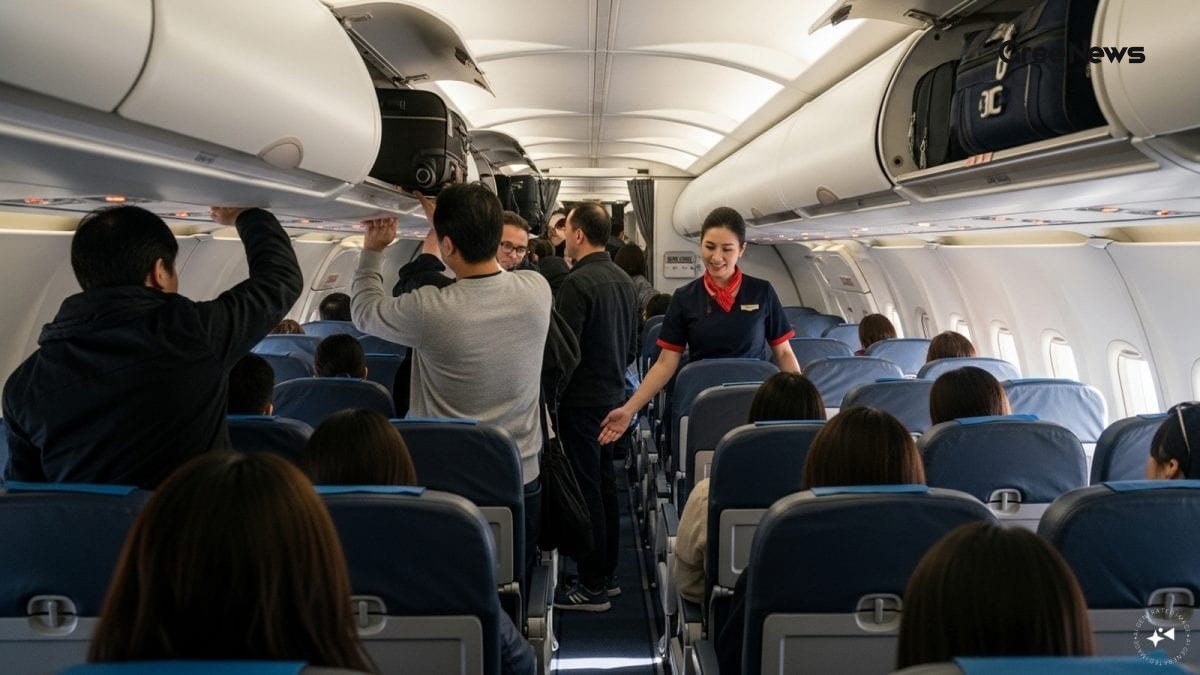
After a few minutes, the announcement came: “Now boarding Zone 2”. That was my cue. I walked to the jet bridge, showed my boarding pass, and stepped in. The cabin crew Greeted me with a smile, and I found my seat without any rush. Notice how the zone system gave me a clear signal of when it was my turn no guessing, no crowd‑pushing.
Most airlines also use colours or symbols alongside the zone label. For instance, Air India might display a Green banner for Zone 1, while Indigo uses a blue highlight for Zone 3. These visual cues make it easier for passengers, especially those who aren’t fluent in English, to spot their turn quickly a small but effective touch that often goes unnoticed in the larger viral news conversations about air travel.
There’s another layer to zones that many people miss: the link with priority boarding offers. If you’ve ever purchased a “priority boarding” add‑on, your boarding pass will usually show a different zone, say “Zone 0” or “Priority”. This bypasses the regular queue and lets you be among the first to board a perk that many frequent flyers swear by. During a recent flight, a friend of mine paid for this add‑on and got a “Zone 0” stamp. He was able to stow his carry‑on before the overhead bin space got crowded, which saved him a lot of hassle. It’s a tiny detail, but it shows how zones can reflect the extra services you pay for.
Now, let’s address a common myth: “If I miss my zone, I’ll lose my seat.” In most cases, as long as you’re at the gate before the final boarding call, you’re safe. Airlines usually announce “Final Boarding Call All Zones” a few minutes before the departure time. If you missed your specific zone but are still present, the crew will let you board during this final call. However, if you arrive after the door closes, you might have to be rebooked that’s the only scenario where a zone matters for you.
Speaking of timing, a handy tip is to listen for the announcements carefully. In Indian airports, the public address system often says something like, “Ladies and gentlemen, we are now boarding Zone 2. Please proceed to gate B3.” That cue is our cue. Some airlines even use digital screens that flash the zone number in big letters, making it hard to miss. If you’re the type who gets distracted by your phone, set a reminder a few minutes before your zone is called. Trust me, it saved me from a near‑miss once when I was scrolling through a meme about the latest news India trending topics.
What about the few airlines that don’t use zones at all? A couple of low‑cost carriers still rely on a simple “first‑come, first‑served” approach. In those cases, the boarding pass might just say “Boarding” without any zone label. If you’re flying with such an airline, it’s even more important to be early at the gate. Otherwise, you could end up waiting for the whole plane to fill up before you get a chance to board. That’s why many travellers prefer the zone system it gives a clear, predictable order.
Another practical observation: zones can differ between domestic and international flights. On a short domestic hop, you might see simpler labels like “Zone A”, “Zone B”. On a long‑haul international flight, the boarding process is more elaborate, often splitting into multiple phases “Premium”, “Zone 1”, “Zone 2”, and finally “General Boarding”. This tiered approach aligns with the airline’s effort to provide a smoother experience for passengers who paid extra for comfort.
Now, let’s talk about the psychological side of zones a bit of a hidden factor in the whole process. When you see that you’re in Zone 1, there’s an instant sense of priority and importance. It’s a small boost that makes you feel valued, especially if you’re traveling for a special occasion like a wedding in Jaipur. Conversely, being placed in a later zone can feel a little disappointing, but it’s all part of the queue management game. Some airlines have even experimented with changing zone assignments at the last minute to balance the boarding flow a subtle tweak that sparked a lot of conversations on Indian social media, turning into trending news India discussions.
For those who love data, here’s a quick observation: on a recent flight from Chennai to Kolkata, the airline’s boarding data showed that Zone 1 passengers took roughly 3 minutes to board, while Zone 3 took about 7 minutes. The difference mainly came from the amount of carry‑on luggage and the seat location. If you’re traveling with a lot of baggage, you might want to aim for an earlier zone if possible either by upgrading or by joining a loyalty programme that offers early boarding.
And yes, you might have seen the word “zone” pop up in some viral news stories about airlines cutting down on boarding time. The gist of those stories is that zones are being refined to make the process even quicker. Some carriers are testing “micro‑zones”, where they split a large zone into smaller sub‑groups based on seat row numbers. The idea is to let passengers from rows 1‑10 board first, then 11‑20, and so forth. It’s a neat concept that could become the next big thing in the aviation world, and it’s definitely something to keep an eye on in future India updates.
To sum up my personal takeaways:
- Know your zone it tells you exactly when it’s your turn.
- Arrive early at the gate, especially if you’re in a later zone.
- Listen for announcements and keep an eye on the digital screens.
- Consider optional priority boarding if you value extra convenience.
- Don’t panic if you miss your zone; the final boarding call usually covers everyone.
Hopefully, after reading this, you’ll feel a lot less anxious the next time you see “Zone 2” on your boarding pass. It’s just a small piece of the larger travel puzzle, designed to keep things moving smoothly. And who knows maybe you’ll even impress your fellow passengers with your newfound knowledge of airline boarding logistics during the next flight!
Top Videos
Swipe Left For Next Video