How Paras Describes the Job Hunt in Europe Compared to India
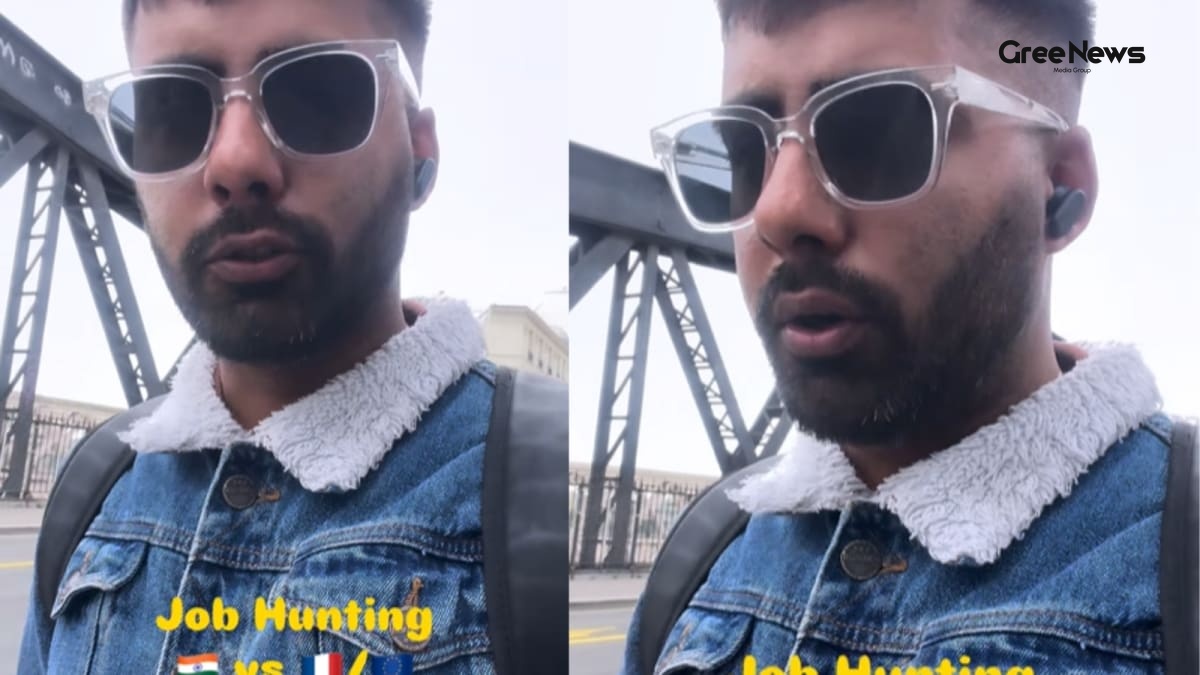
Paras, an Indian living in Paris, explains that looking for a job in Europe feels completely different from the way things work back in India. Paras mentions that the biggest shock is the complete absence of campus placement drives that many Indian graduates rely on. Paras says that in India, a student who is qualified, has decent networking and goes through a placement drive can almost guarantee a job on the spot.
Paras notes that once you step into Europe, especially in cities like Paris, the whole system changes. Paras points out that there are no “placement events” organized by universities, and the job‑search game turns into a constant networking exercise.
The Core Difference: No Campus Placements
Paras says that the main reason job hunting feels harder in Europe is that the safety net of campus placements simply does not exist. Paras explains that in India, colleges arrange visits from recruiters, and students often get multiple job offers in a single day. Paras adds that this safety net creates a false sense of security for many Indian graduates.
Paras emphasizes that in Europe, the onus is entirely on the individual. Paras stresses that European firms expect candidates to reach out directly, apply online, and showcase their skills without any college‑mediated help.
This observation has become a hot topic in the latest news India, as many students planning to go abroad are now revisiting their preparation strategies.
Networking Becomes the Lifeline
Paras highlights that in Europe, networking is not just helpful; it is essential. Paras tells that platforms like LinkedIn become the main arena where opportunities appear. Paras says that, in Paras’s personal experience, about ninety percent of the job leads came through a LinkedIn connection or a referral.
Paras advises anyone thinking of moving to Europe to start building connections long before they land. Paras suggests joining professional groups, participating in webinars, and reaching out to alumni from Indian universities who are already settled in Europe.
Paras also shares an anecdote about a random coffee chat that turned into a full‑time role, demonstrating how an informal meeting can sometimes replace a formal interview process.
Interview Rounds Are Shorter, But the Stakes Feel Higher
Paras points out that the number of interview rounds in Europe is usually lower than in India. Paras explains that while Indian companies may conduct five or more rounds, European firms typically limit the process to two or three stages.
Paras adds that after the formal rounds, recruiters may invite candidates for an informal meeting at a café. Paras says that this casual setting helps the hiring team gauge cultural fit and personality, which can be just as important as technical competence.
Paras notes that this practice makes the whole process feel more personal and less mechanised, but it also means candidates need to be ready to showcase themselves in a relaxed environment.
Practical Tips from Paras for Indian Job‑Seekers in Europe
- Paras recommends polishing the LinkedIn profile with a clear headline, relevant keywords, and a professional photo.
- Paras suggests actively reaching out to Indian alumni networks in Europe for mentorship.
- Paras advises preparing a concise “elevator pitch” that can be delivered comfortably in a coffee‑shop conversation.
- Paras emphasizes the importance of learning local business etiquette, such as punctuality and direct communication.
- Paras warns against relying solely on job portals; instead, focus on building relationships through industry meet‑ups.
These tips have become part of the trending news India posts about career migration, helping many aspirants avoid common pitfalls.
Audience Reaction A Mix of AGreement and Surprise
Paras’s video sparked a flood of comments. One user wrote, “This is so true, networking is everything abroad.” Another responded, “India’s placement culture spoils us; the real world is very different.” Paras sees that many viewers relate to the shift in mindset required for a European job market.
Paras also observed that some people compared the process to German hiring practices, noting that Germany can have even more interview rounds. Paras mentions that a few viewers asked about sponsorship possibilities for students wanting to study in Europe.
The discussion quickly turned into breaking news India for many who are planning an international education or career move, showing how Paras’s personal story turned into viral news across social platforms.
Why This Story Is Part of Trending News India
Paras’s experience resonates because it highlights a gap many Indian graduates are unaware of until they are already in Europe. Paras’s candid narration, combined with practical advice, makes the story highly shareable, contributing to its status as viral news.
Paras notes that the conversation also helped raise awareness among Indian career counselors, prompting them to adjust guidance for students aiming for overseas opportunities.
Overall, Paras’s video and the ensuing debate have become a reference point for anyone looking to understand how the European job market differs from the placement‑driven ecosystem in India.
Final Thoughts Adapting to a New Hiring Culture
Paras concludes that while the lack of campus placements in Europe can feel daunting, it also pushes candidates to develop stronger personal branding and networking skills. Paras believes that once you accept the need to “sell yourself” outside of a structured placement system, the European job hunt becomes an exciting challenge rather than a roadblock.
Paras hopes that more Indian students will prepare early, use LinkedIn strategically, and embrace informal networking opportunities. Paras’s story serves as a reminder that adapting to local hiring culture is key to turning the dream of working in Europe into a reality.
For anyone following the latest updates about career moves abroad, Paras’s journey offers a realistic snapshot of what to expect and how to succeed in the European job market.