Lenskart faces fresh criticism over a Pongal-themed ad days after controversy around an alleged employee dress code sparked debate on religious expression
When I was scrolling through X the other day, I stumbled upon a post that instantly reminded me of the earlier drama around Lenskart’s internal dress‑code controversy. This time, the spark came from a Pongal ad that Lenskart had rolled out, and what followed was a cascade of comments that felt like a fire‑cracker show bright, loud and entirely unpredictable.
I started reading the reactions and realised how quickly the conversation flipped from curiosity to full‑blown outrage. It was clear that many people felt the ad missed the mark when it tried to capture the essence of our beloved harvest festival. In fact, the whole thing felt like a case study on how quickly viral news can spread across India.
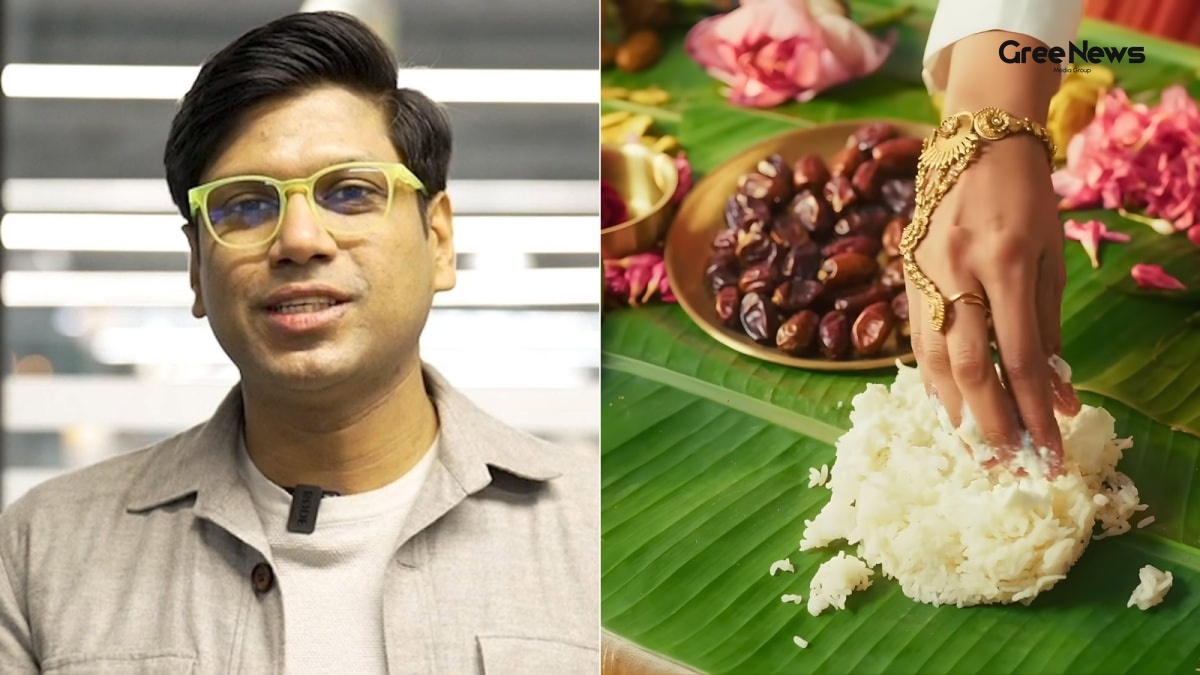
One of the first things that caught my eye was a post by Krithika Sivaswami. She asked a simple yet pointed question that resonated with a lot of netizens: “Who the heck eats dates for Pongal? And whats with the costume & props?” The post quickly went viral, sparking the next wave of criticism that seemed to connect directly back to the earlier internal policy scandal.
What happened next is interesting the comment section turned into a micro‑forum of opinion pieces, memes, and even some heartfelt pleas. A user wrote, “It’s already clear from their internal policy document, it clearly shows their alignment. Don’t get shocked when their models are having non veg on Diwali add. Is this question is even logical? It is very clear from their act that what they are trying to do. Simple.” The tone was a mix of frustration and disbelief, almost as if they were trying to tie the two controversies together into one bigger narrative.
Another comment added a regional flavour, saying, “Is it just me or others too, all the models here look like, the term in Tamil ‘ganja kudikki.'” It was a vivid example of how local slang can infiltrate the digital discourse, making the criticism feel even more personal and grounded in everyday speech.
One particularly passionate voice entered the conversation, claiming, “We as a hindu society must give up this nonsense called tolerance, and must not accept any vile thing. Every now n then there r sm bastards doing dilution, mockery n abuse. Did this company not know that pongal is hindu festival. Showing this distasteful, colourless, lifeless way.” The intensity of the language highlighted how deeply cultural symbols are tied to identity in India, especially during seasonal celebrations like Pongal.
There were also factual corrections tossed in. A user pointed out, “very basic Pongal lunch: there are 100 side dishes. Hindus don’t eat dates on any festival because our land is blessed with an abundance of food grains, dairy and spices; hence, the unlimited cuisine.” This comment made me think about how many people use social platforms to educate each other about traditional practices that they feel are misrepresented.
Another thread went further, equating the ad’s mistake to a religious mix‑up: “They got confused with Ramzan. Seriously, every self‑respecting Hindu must ensure that we never buy anything from Lenskart. #BoycottLenskart.” In the same breath, another comment read, “Ramdan celebration gone wrong.” These remarks underlined the ease with which a simple visual error can be interpreted as a larger cultural faux pas.
One more jab that got a lot of attention was, “Where is the bindhi ? No bindhi No business,” which underscored the expectation that traditional symbols like the bindi must appear in any visual representation of a Hindu festival. The absence of the bindi became a shorthand for “insincerity” in many viewers’ eyes.
All these reactions were happening just after an entirely separate controversy that had already put Lenskart under the microscope. Earlier, political commentator Shefali Vaidya had taken to X, alleging that an internal dress‑code document allowed certain religious symbols like the hijab but restricted others, specifically the bindi, tilak, or kalawa. She wrote, “So I confirmed, this is genuine. This is what @peyushbansal tells his employees, hijab is okay, but bindi/tilak/Kalawa is not, for @Lenskart_com, a company that exists in Hindu majority Bharat, where most of the employees and consumers are Hindu!” The mention of “Bharat” added a nationalistic flavour to the complaints, turning what could have been a corporate policy issue into a topic of public debate.
Following the swelling outrage, Peyush Bansal stepped onto the X stage to set the record straight. He clarified that the policy document that was being shared online was outdated, saying, “I’ve been seeing an inaccurate policy document going viral about Lenskart. I want to speak directly that this document does not reflect our present guidelines. Our policy has no restrictions on any form of religious expression, including bindi and tilak, and we continue to review our guidelines regularly.”
He didn’t stop there. Peyush Bansal added, “Our grooming policy has evolved over the years and outdated versions do not represent who we are today. We apologize for the confusion and concern this situation has caused. We as a company, continue to learn and build. Any lapses in our language or policies have and will continue to be addressed.” This statement was an attempt to calm the storm, but as I observed, many users remained skeptical, especially after the visual misstep in the Pongal ad.
From a personal perspective, watching the entire episode unfold reminded me of how quickly breaking news can become trending news India, especially when it touches upon cultural sensitivities. The fact that a simple advertisement could become viral news and dominate discussion channels across the country illustrates the power of social media in shaping public perception. The series of comments also highlighted how Indian netizens are quick to point out inaccuracies whether it is about the proper dishes for Pongal or the correct placement of a bindi.
In most cases, I think brands try to strike a balance between modern aesthetics and traditional values, but the line can be thin. Lenskart’s attempt to showcase a festive vibe without fully understanding the nuances of Pongal turned into what many called a “distasteful, colourless, lifeless” representation, as one commenter phrased it. The explosion of user-generated content around this topic proved that the Indian audience expects authenticity, especially when it concerns our beloved festivals.
What caught my attention next was the way the conversation spilled over into other platforms, and even mainstream media began picking up the story as part of their latest news India round‑ups. The ad’s misrepresentation, combined with the earlier dress‑code controversy, gave journalists a ready-made narrative. This demonstrates the ripple effect of a single piece of content turning into a full‑blown media saga a clear example of how viral news spreads across the nation.
Looking back, I can’t help but feel that Lenskart missed an opportunity to engage directly with its audience before the backlash escalated. A quick clarification video or a behind‑the‑scenes look at how the ad was conceptualised could have defused many of the angry comments. Instead, the silence allowed speculation to run wild, letting the story become part of the breaking news cycle.
In many ways, this episode also reflects the broader dialogue happening across India about cultural representation in advertising. Companies are increasingly being held accountable for how they portray festivals, rituals, and religious symbols. The discussion around Lenskart is just one chapter in a larger conversation that includes Bollywood, fashion, and even government advertisements. It’s a reminder that, as consumers, we have a voice that can shape corporate behaviour a voice that often finds its loudest expression on platforms like X, where every comment counts.
To sum up, the whole saga reminded me that in India, a simple mistake like showing dates in a Pongal ad can quickly snowball into a national debate. It also showed how past controversies, like the alleged dress‑code policy, can fuel fresh criticism when a new misstep occurs. As we continue to see more of such stories in the trending news India feed, it becomes clear that brands need to walk a fine line between creativity and cultural respect. The next time Lenskart or any other company launches a festive campaign, I’ll be watching closely not just for the product, but for how they honour the traditions that we hold dear.
Israel Iran War NewsIran US Ceasefire