Iran-Linked Hackers Disrupt Major U.S. Industrial Sites and Attempt Data Erasure, FBI Issues Critical Alert

Overview of the Recent Intrusions
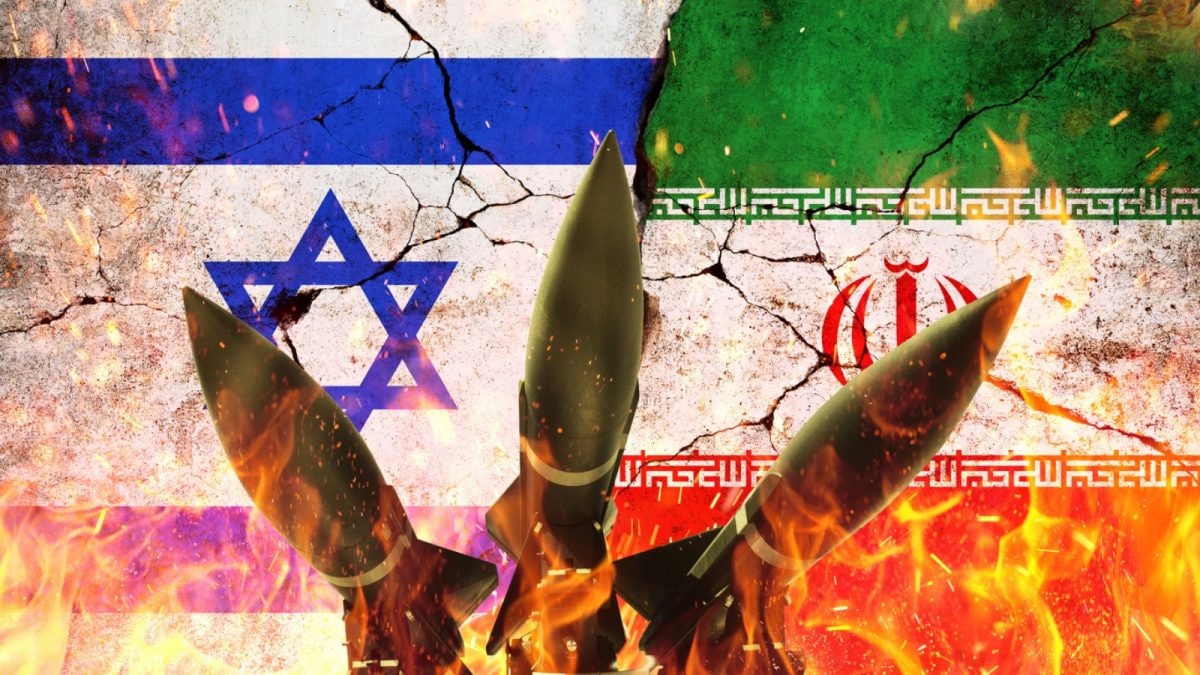
Iran-linked hackers have successfully penetrated several critical oil, gas and water installations that serve the United States, according to a federal advisory that was referenced by a major news network. The intrusion campaign represents a marked escalation in hostile cyber activity tied to the ongoing geopolitical friction between the United States, Israel and Iran.
The malicious actors focused on the safety and control layers that safeguard human life at large‑scale industrial plants. By compromising the digital back‑ends that govern pumps, valves and pressure regulators, Iran-linked hackers created conditions that forced operators to rely on manual procedures rather than automated safety mechanisms.
Operational Impact on Industrial Facilities
Sources with knowledge of the investigation reported that a number of industrial processes were taken offline as a direct result of the breach. The loss of automated control forced plant personnel to intervene manually, leading to temporary shutdowns, production delays and measurable financial losses for the affected enterprises.
In several instances, the intrusion disrupted the communication pathways between programmable logic controllers (PLCs) and supervisory control and data acquisition (SCADA) systems. These PLCs act as the digital nervous system for equipment, enabling real‑time adjustments and safety checks. When Iran-linked hackers gained access to these devices, they were able to manipulate sensor readings and command sequences, creating a situation where the normal safety interlocks could be bypassed.
Urgent Warning from the Federal Bureau of Investigation and the Department of Homeland Security’s Cyber Agency
The Federal Bureau of Investigation, the Department of Homeland Security’s cyber agency and additional federal partners released an urgent alert to owners and operators of critical infrastructure. The notice warned that the threat actors appeared to be aiming for “disruptive effects within the United States,” a characterization that underscores the strategic intent behind the offensive.
The advisory urged all facilities to verify that their network segmentation strategies remain robust, to apply the latest patches to any internet‑exposed control devices, and to engage with incident‑response teams at the earliest sign of abnormal activity.
Attempts to Deploy Destructive “Wiper” Malware
According to the sources cited by the news network, Iran-linked hackers attempted to install destructive payloads known as “wipers.” Wiper malware is designed to overwrite or permanently delete data stored on compromised systems, effectively erasing critical operational files and potentially forcing years of engineering work to be rebuilt from scratch.
At this stage, investigators have not been able to verify whether the wiper components succeeded in destroying data or were intercepted before execution. Nonetheless, the mere presence of such code indicates an intention to inflict long‑term harm beyond temporary disruption.
Strategic Rationale Behind Iranian Cyber Operations
Officials familiar with the broader strategic calculus explain that cyber operations provide Iran with a means to respond asymmetrically to the mounting military pressure that the United States and its allies have placed on Tehran. Because Iran’s conventional missile capabilities do not currently reach the mainland of the United States, the cyber domain offers a viable avenue for exerting pressure without crossing traditional kinetic thresholds.
The emphasis on targeting energy and water infrastructure aligns with a pattern of leveraging essential services to amplify the political impact of an intrusion. By striking resources that are vital to daily life and economic activity, Iran‑linked hackers aim to generate public attention and convey a message of capability.
Safety Concerns Highlighted by Cybersecurity Experts
Joe Slowik, director of cybersecurity alerting strategy at Dataminr, warned that the activity could translate into real‑world safety hazards. “That opens up the opportunity not just for immediate disruption, but potentially modification of operating parameters that could impact physical operations,” Joe Slowik explained.
Joe Slowik added, “The latter could lead to physical impacts and safety concerns, which is a serious issue and represents a notable extension of adversary capability and intent from previous activity linked to Iranian hackers.”
Experts have long cautioned that internet‑connected industrial control systems are intrinsically vulnerable. A source involved in the federal probe noted that government agencies and security specialists have repeatedly warned about the exposure of such systems to hostile actors.
The source emphasized that organizations which have followed best‑practice security guidance—such as disabling unnecessary remote access, employing multi‑factor authentication and isolating critical control networks—have already removed many of the most exploitable vectors. The source, however, expressed concern that a segment of critical‑infrastructure operators still relies on legacy configurations that lack these protective measures.
Broader Pattern of Iranian Cyber Activity
Recent weeks have seen Iranian cyber activity range from symbolic gestures—such as the public release of forged statements—to disruptive operations that impair business continuity. Tehran‑linked hackers previously exfiltrated email correspondence from the private account of FBI Director Kash Patel and caused operational setbacks for a leading medical‑device manufacturer based in the United States.
These operations are frequently accompanied by a psychological component. Iran‑linked hackers have posted boastful messages on public forums, inflating the perceived scope of their successes in an effort to sow confusion and amplify the perceived threat.
Intelligence assessments released by United States agencies continue to flag Iran’s persistent intent to conduct cyber operations against the United States and allied nations, even after setbacks experienced during the recent regional conflict involving Israel.
Geopolitical Context and the Ongoing Ceasefire
The cyber developments emerge at a moment when Iran, the United States and Israel have aGreed to a temporary ceasefire. While the ceasefire limits overt kinetic exchanges, disaGreements continue over the precise terms and implementation of the arrangement.
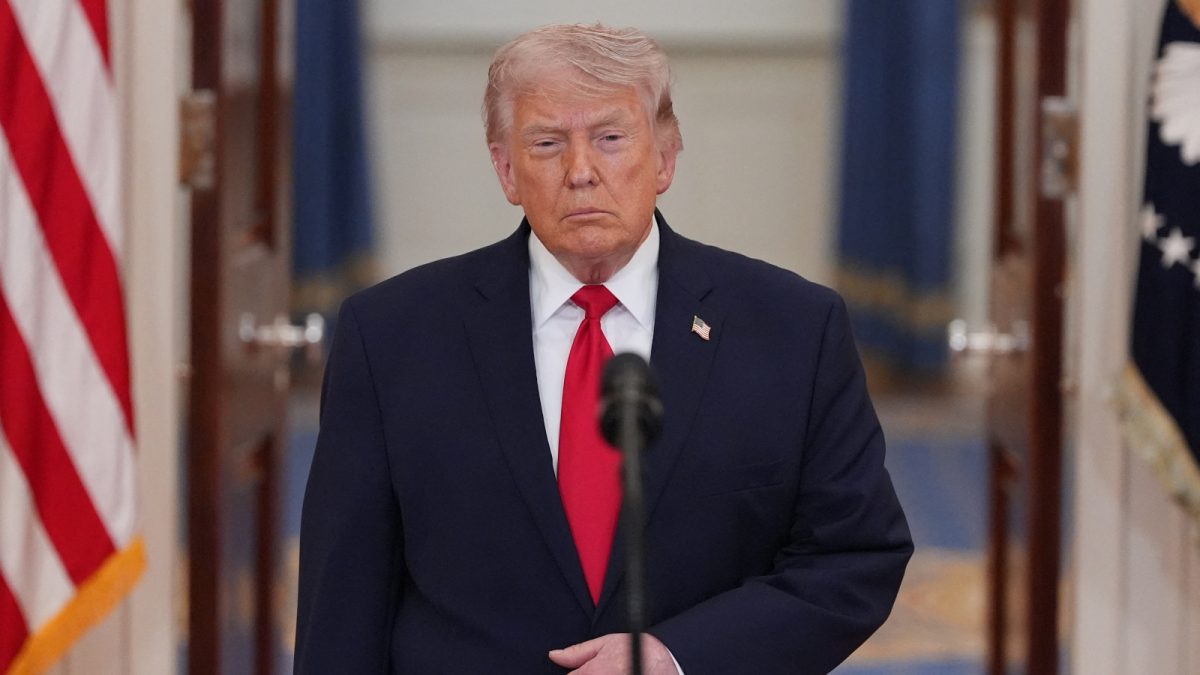
Donald Trump publicly stepped back from rhetoric that called for the destruction of Iranian “civilisation,” yet he reaffirmed that United States naval vessels would continue to patrol the strategic waterway that channels a substantial share of the world’s oil and gas shipments. Donald Trump suggested that Iran might pursue additional revenue by continuing uranium enrichment activities and possibly imposing transit fees on vessels navigating the strait.
Benjamin Netanyahu expressed support for the United States‑mediated ceasefire but clarified that the aGreement would not impede Israeli operations directed at Hezbollah in Lebanon. This stance contrasted with statements from Pakistan, which claimed that the ceasefire covered combat activities in that theater.
Following the ceasefire announcement, missile alerts were activated across several Gulf states, including the United Arab Emirates, Saudi Arabia, Bahrain and Kuwait. A gas‑processing facility in Abu Dhabi was reported to have caught fire after an incoming projectile attributed to Iranian forces struck the site.
Unresolved Strategic Issues
Despite the temporary easing of hostilities, core disaGreements remain unresolved. Key points of contention include Iran’s nuclear enrichment program, the role of regional proxy groups, and the conditions required for the lifting of economic sanctions.
Iran continues to demand the withdrawal of United States forces from the region, the removal of all sanctions and the release of assets that have been frozen for years. These preconditions are unlikely to be accepted by the United States or its allied partners, leaving the diplomatic landscape highly volatile.
In the meantime, the heightened focus on protecting critical‑infrastructure networks has led to a surge in guidance from the Department of Homeland Security’s cyber agency, urging all operators to assess their exposure to internet‑facing programmable logic controllers and to adopt a zero‑trust architecture wherever feasible.