Iran‑US Ceasefire Triggers One of Oil’s Largest Single‑Day Crashes, Crude Down 20%
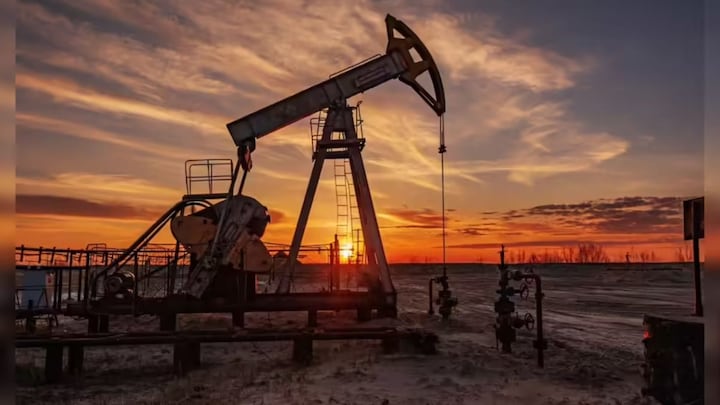
$26 has been wiped from the price of a barrel in hours – the biggest single‑day collapse since the pandemic‑driven demand collapse.
Oil prices plunged by roughly twenty percent on the day of the cease‑fire announcement, slipping from a session high of $117.63 to a closing level of $91.05. The rapid decline erased approximately $26 from the cost of a single barrel within a matter of hours. This slide represents the most severe one‑day price drop observed since the worldwide demand shock that accompanied the pandemic.
The catalyst for the price collapse was a cease‑fire proclamation involving Iran and the United States. The announcement neutralised the war premium that had been embedded in crude markets for the past forty days. During that period, the premium reflected investors’ risk‑adjusted expectations of supply disruption, heightened geopolitical tension, and the prospect of further escalation.
By removing that premium, the market instantly re‑priced the commodity, moving the benchmark price down by one‑quarter of its recent trading range. The magnitude of the correction demonstrates the sensitivity of global oil markets to geopolitical developments, especially those that involve key chokepoints and major producers.
Strategic Importance of the Strait of Hormuz
The Strait of Hormuz sits at the heart of the recent market turbulence. This narrow maritime corridor links the Gulf of Oman with the Persian Gulf and serves as the single most critical oil chokepoint in the world. Roughly one‑fifth of global crude oil travels through the strait each day, making it a strategic conduit for both supply‑side and demand‑side participants.
Since the onset of hostilities forty days ago, Iran issued repeated warnings that it could restrict or close the strait. Those warnings translated into concrete threats, prompting shipping companies to reroute vessels, insurers to raise premiums, and national governments to declare emergency measures. The prospect of a closed strait pushed oil prices to record highs, as market participants priced in the risk of a sudden and sustained supply shortfall.
When the cease‑fire declaration was made, the immediate perception was that the threat of a strait closure had receded. Traders interpreted the announcement as an indication that the belligerents would refrain from actions that could jeopardise the free flow of oil through the waterway. Consequently, the war‑related risk premium evaporated, and the market settled at a level more reflective of baseline demand and supply fundamentals.
Trump’s Statement on the Cease‑Fire
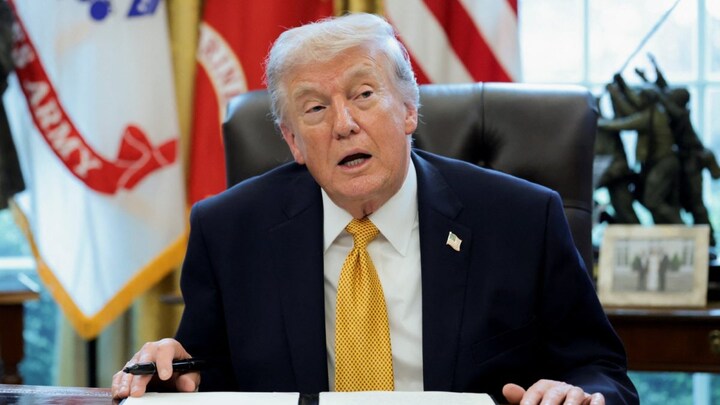
Trump communicated the cease‑fire decision via a social‑media platform, stating that the leaders of Pakistan, specifically Shehbaz Sharif and Field Marshal Asim Munir, had personally requested that the United States stand down from strikes that were planned for the upcoming night. Trump asserted that the United States had already achieved and exceeded all declared military objectives and that a ten‑point proposal from Iran had been presented. Trump described the Iranian proposal as a workable foundation for negotiations and indicated that talks would be arranged in Islamabad in the near future.
Trump’s remarks highlighted three core points: first, the United States had fulfilled its operational goals; second, Iran had offered a structured set of demands; and third, diplomatic engagement would proceed without delay. By emphasizing the completeness of United States objectives, Trump framed the cease‑fire as a strategic transition from kinetic operations to negotiated settlement.
The emphasis on a ten‑point Iranian proposal underscored the shift from unilateral military pressure to multilateral diplomatic dialogue. Trump’s reference to Pakistan’s leadership as the conduit for the cease‑fire underscored the regional dimension of the conflict and signalled that Islamabad would host the upcoming negotiations.
Iran’s Position on the Cease‑Fire
Iran’s Supreme National Security Council issued a statement declaring that the majority of war objectives had been accomplished. The council added that the adversary had been seeking a cease‑fire for more than a month, despite Iran’s repeated refusal to accept the terms previously offered. However, the council cautioned that the cease‑fire should not be interpreted as an end to the war.
The council’s declaration conveyed that Iran recognised substantial progress on the battlefield while maintaining that the broader conflict remained unresolved. The wording suggested that Iran viewed the cessation of hostilities as a tactical pause rather than a definitive conclusion.
Iran also presented a ten‑point plan, which Tehran claims it drafted and transmitted to the United States via Pakistan. The plan is comprehensive, calling for a complete withdrawal of United States forces from all regional bases, full relief from sanctions, reparations, and a regime for controlled oil passage through the Strait of Hormuz under Iranian coordination. Additionally, the plan demands that all aGreed terms be enshrined in a binding United Nations Security Council resolution.
Market Reactions and Broader Implications
Following the announcement, commodity traders across major exchanges recalibrated their pricing models. Futures contracts that had previously reflected a heightened risk premium adjusted to align with expectations of uninterrupted oil flows. The rapid price correction also prompted a wave of margin calls and portfolio rebalancing among institutional investors who had positioned themselves for a prolonged period of elevated prices.
Analysts noted that the magnitude of the price swing emphasized the fragility of market sentiment when geopolitics intersect with supply chain bottlenecks. While the underlying fundamentals of oil demand—industrial activity, transportation, and consumer consumption—remained relatively stable, the removal of a geopolitical shock factor caused the market to revert to a valuation that better matched current supply‑demand equilibrium.
Energy ministries in oil‑importing nations reported immediate relief, as the lower price point eased fiscal pressures associated with fuel imports. Conversely, oil‑exporting countries that had benefited from the earlier price surge faced a sudden revenue contraction, prompting discussions about budget adjustments and alternate revenue streams.
In the broader context, the cease‑fire and accompanying price movement serve as a case study of how quickly market expectations can shift in response to diplomatic developments. The episode underscores the importance for policymakers to consider the economic side effects of military actions, particularly when those actions involve regions that dominate a substantial share of global oil transit.
Future Outlook for Oil Markets
Looking ahead, the trajectory of oil prices will hinge on the durability of the cease‑fire, the implementation of Iran’s ten‑point plan, and the stability of the Strait of Hormuz. If the negotiated framework succeeds in guaranteeing safe passage through the strait, market participants may gradually restore confidence, potentially fostering a modest price recovery.
However, any deviation from the aGreed terms, renewed hostilities, or unexpected disruptions in the strait could quickly reignite the war premium. As such, investors are likely to monitor diplomatic talks in Islamabad closely, while also keeping an eye on strategic naval deployments and statements from Iran’s Supreme National Security Council.
In addition, the broader energy transition agenda—accelerated by investments in renewable sources, regulatory shifts, and technological advancements—continues to exert a moderating influence on long‑term oil demand. The recent price swing, therefore, occurs against a backdrop of structural change that may reduce the sector’s sensitivity to short‑term geopolitical shocks over time.
For now, the market’s immediate reaction to the cease‑fire underscores the potency of diplomatic breakthroughs in reshaping commodity sentiment. The twenty‑percent price plunge stands as a stark reminder that geopolitical risk premiums can be both sizable and fleeting, and that the balance between conflict and commerce remains delicately poised.