Is Space Travel Dangerous? Artemis II Exposes the Health Hazards of Lunar Voyages
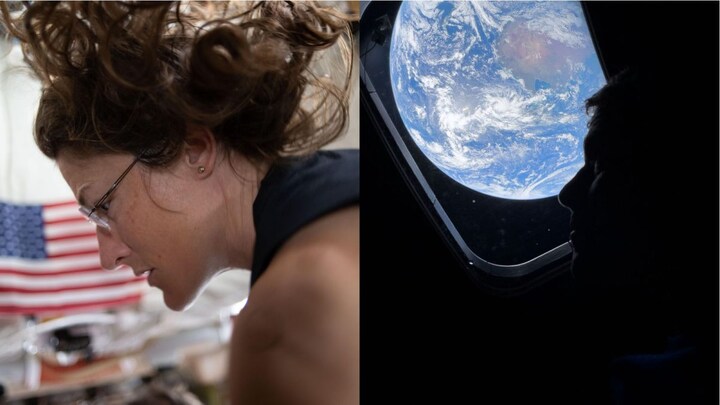
Humanity’s first journey beyond Low Earth Orbit in half a century brings a flood of unprecedented medical data
Why Artemis II Matters for Space Medicine
Artemis II represents the first occasion in more than fifty years that humans have ventured beyond Low Earth Orbit. While Artemis II symbolizes a monumental step for exploration, Artemis II also functions as a high‑risk laboratory for studying how deep space reshapes the human organism. During the ten‑day flight, the Artemis II crew supplies NASA with data that have never before been captured outside Earth’s protective magnetic field.
The Artemis II crew includes Canadian astronaut Jeremy Hansen, who brings decades of orbital experience, and Christina Koch, who previously became the first woman to travel into deep space. Together, Jeremy Hansen and Christina Koch create a data set that allows researchers to compare physiological responses across gender and nationality for the first time in the context of deep‑space radiation, microgravity, and confinement.
Three Core Stressors Identified by Dr. Farhan Asrar
According to Dr. Farhan Asrar, a space‑medicine researcher affiliated with Toronto Metropolitan University, three inter‑related stressors emerge the moment the Artemis II rocket clears the atmosphere. Dr. Farhan Asrar discussed these stressors during an interview with Prince George Citizen, emphasizing that each factor interacts with the others to produce compounded health effects.
Deep‑Space Radiation
Radiation exposure becomes the dominant concern once Artemis II leaves the protective envelope of Low Earth Orbit. The type of radiation encountered in deep space differs markedly from that found in near‑Earth orbit. Galactic cosmic rays, composed of high‑energy atomic nuclei, possess far greater penetrating power. These particles can intersect strands of DNA, creating breaks that may evolve into mutations over time. The risk of long‑term oncogenic outcomes, as well as acute damage to critical organs such as the heart and brain, escalates under these conditions.
Dr. Farhan Asrar emphasized that the unknown nature of galactic cosmic rays makes Artemis II a step into unexplored territory. The intensity and composition of the radiation field surrounding Artemis II differ from the radiation environment that historically accompanied Apollo‑era missions, providing a fresh perspective on how modern spacecraft shielding performs under sustained exposure.
Microgravity Effects
Microgravity, the condition of near weightlessness that defines the interior of Artemis II, disrupts the body’s internal equilibrium in multiple ways. The vestibular system, located in the inner ear, relies on gravity to interpret orientation. When gravity is absent, the vestibular apparatus misinterprets spatial cues, leading to motion sickness. Even elite pilots, accustomed to high‑performance flight, report nausea when exposed to microgravity for the first time.
Beyond vestibular disturbances, the redistribution of bodily fluids constitutes a major physiological challenge. In the absence of gravity, blood and other fluids migrate toward the head, increasing intracranial pressure and exerting force on ocular structures. This fluid shift can induce visual impairments and place additional load on the cardiovascular system, which must adapt to altered preload and afterload conditions.
Psychological Strain of Confinement
The confined environment of Artemis II, in which the Artemis II crew lives within a relatively small pressurized capsule for ten days, creates a unique psychological laboratory. The combination of isolation from Earth, limited personal space, and constant proximity to the same crewmates elevates stress levels and tests cognitive resilience.
Researchers are measuring decision‑making speed, problem‑solving accuracy, and emotional regulation throughout the Artemis II flight. These metrics are crucial for planning future missions that may extend to Mars, where exposure durations could last several years. Understanding how short‑duration confinement, as experienced on Artemis II, scales to long‑duration missions forms a cornerstone of mission‑design risk assessments.
Gender‑Specific Insights from Christina Koch
The inclusion of Christina Koch aboard Artemis II marks the first instance of a woman traveling into deep space. This milestone enables scientists to acquire baseline data on how the female cardiovascular and immune systems react to elevated radiation levels and microgravity. Historically, most deep‑space biomedical research has centered on male physiology, leaving a knowledge gap regarding female‑specific responses.
Data collected from Christina Koch will inform the development of gender‑adjusted countermeasures, such as tailored exercise regimens, nutritional protocols, and pharmacological interventions. By comparing Christina Koch’s physiological metrics with those of Jeremy Hansen, investigators can isolate sex‑based differences in heart rate variability, blood pressure regulation, and immune cell activity.
Implications for Future Lunar and Martian Exploration
The findings emerging from Artemis II hold direct relevance for upcoming lunar footholds and eventual crewed missions to Mars. If deep‑space radiation proves capable of inducing DNA damage that persists beyond the duration of a ten‑day flight, mission planners must incorporate enhanced shielding, pharmaceutical radioprotectors, and robust post‑flight monitoring programs.
Similarly, the fluid‑shift‑induced ocular and cardiovascular stress observed during Artemis II suggests that artificial gravity solutions, intermittent centrifugation, or refined exercise devices could mitigate microgravity‑related complications. The psychological data gathered from Artemis II will shape habitat design, crew‑size optimization, and communication strategies intended to preserve mental health on extended journeys.
Concluding Perspective on the Health Risks of Deep Space
Artemis II serves as both a bold step toward renewed lunar exploration and a stark reminder of the “disabling and extreme” toll that deep space exacts on the human heart, DNA, and mind. The convergence of galactic cosmic ray exposure, microgravity‑induced physiological shifts, and confinement‑related psychological strain creates a multifaceted risk profile that NASA must address before committing crews to multi‑year interplanetary voyages.
Continuous monitoring of the Artemis II crew, combined with rigorous post‑flight analysis, will deepen humanity’s understanding of how to safeguard the health of astronauts venturing beyond Earth’s protective shield. As the data from Artemis II flow into NASA’s medical archives, the space community will be better equipped to design countermeasures that transform the formidable challenges of deep space into manageable engineering and biomedical problems.