Niacin Gains Anti‑Ageing Buzz, But Doctors Warn of Risks
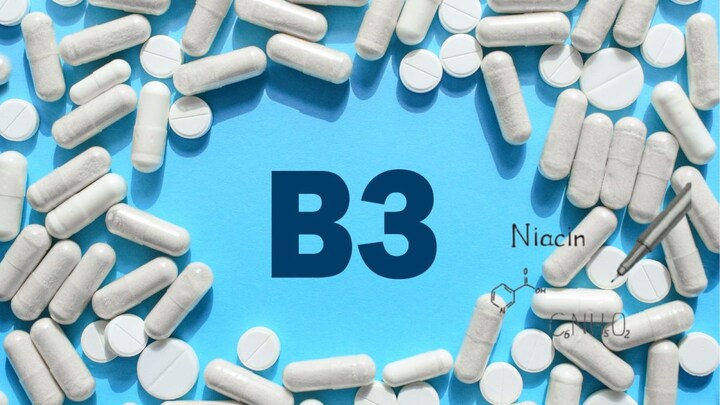
A daily 14–16 mg of Niacin is enough for most adults, which is usually met through the diet, but many over‑the‑counter supplements pack doses far beyond what the body needs.
Niacin, also known as Vitamin B3, has erupted onto social media feeds, where wellness influencers tout it as a miracle for radiant skin and prolonged vitality. What was once a modest, water‑soluble nutrient is now positioned as the centerpiece of a burgeoning anti‑ageing movement. From bright‑colored capsules to plain tablets, a growing number of consumers are reaching for Niacin with the expectation that it will decelerate the visible signs of ageing and extend lifespan. The central question remains: does the scientific record support such lofty expectations?
What Is Niacin?
Niacin is one of eight essential water‑soluble vitamins required for normal human physiology. Its primary responsibilities include facilitating the conversion of food into usable cellular energy, participating in the repair and maintenance of DNA strands, and supporting the integrity of various metabolic pathways. Niacin exists in two chemically distinct forms—nicotinic acid and niacinamide. Although both deliver the same vitamin to the body, they trigger markedly different physiological responses.
“Niacin can help lower cholesterol levels, but often causes flushing, a sudden redness and warmth of the skin. Niacinamide, on the other hand, does not affect cholesterol and is widely used in skincare for its soothing and barrier‑repair properties, with minimal side effects,” explains Dr Chandani Jain Gupta, MBBS & MD‑Dermatology & Aesthetic Physician at Elantis Healthcare in New Delhi. This distinction is crucial because most consumer‑facing products lump the two forms together, leading to confusion about expected outcomes and potential side effects.
Does Niacin Improve Skin Or Longevity?
Dr Chandani Jain Gupta notes that Niacin was historically prescribed primarily to manage elevated cholesterol. Advances in pharmacology have introduced more efficient lipid‑lowering agents, diminishing the routine medical use of Niacin. Nevertheless, social platforms have resurrected Niacin as an apparent panacea for skin rejuvenation and life‑extension, often without reference to scientific scrutiny.
“This trend is particularly concerning because it encourages people to self‑medicate with large doses without medical supervision,” states Dr Chandani Jain Gupta. Claims that Niacin can arrest the ageing process or render the complexion more youthful lack robust clinical validation. While Niacin is essential for normal cellular operations, the evidence supporting its oral administration as a cosmetic enhancer is weak. In dermatological practice, the topical formulation niacinamide—not oral Niacin—has demonstrated measurable benefits such as improved skin texture, diminished hyperpigmentation, and reinforcement of the skin’s barrier function.
The recommended daily allowance for Niacin sits at approximately 14–16 mg for most adults. This amount is readily achieved through a balanced intake of poultry, fish, legumes, nuts, and fortified grains. In contrast, many over‑the‑counter Niacin supplements contain substantially higher quantities, sometimes exceeding several hundred milligrams per dose. When individuals exceed the physiological requirement, the balance tilts toward adverse reactions rather than added advantage.
Potential side effects of excessive Niacin intake include cutaneous flushing, nausea, abdominal discomfort, and headaches. More severe complications reported by clinicians involve hepatic dysfunction, destabilized blood‑sugar control, gout‑like joint pain, and, in extreme cases, arrhythmias. Dr Chandani Jain Gupta observes that patients arriving with self‑initiated high‑dose Niacin regimens frequently present with liver enzyme elevations, worsening glycemic profiles, or unexplained gastrointestinal distress.
The Dangerous Myth Around Vitamins
One of the most pervasive drivers of the current Niacin surge is the erroneous belief that vitamins, by virtue of being “natural,” are inherently safe at any dose. This assumption ignores the principle of dose‑dependent toxicity, a concept well‑established in pharmacology. “Taking vitamins beyond recommended amounts can lead to toxicity and adverse effects,” warns Dr Chandani Jain Gupta. Although Niacin dissolves in water and excess is generally excreted, supraphysiologic doses can overwhelm renal clearance mechanisms, leading to accumulation and organ injury.
Safety thresholds for Niacin are not universal; they vary according to individual health status, age, and concurrent medications. For instance, persons with pre‑existing liver disease, uncontrolled diabetes, or cardiovascular conditions may experience amplified risks when exposed to high‑dose Niacin. The misconception that “more is better” fuels a market where supplement manufacturers prioritize potency over prudent dosing guidelines.
How To Take Niacin Supplements
Anyone contemplating Niacin supplementation should approach the process with caution. Dr Chandani Jain Gupta emphasizes that high‑dose Niacin should only be undertaken under explicit medical direction. “High doses of Niacin should not be taken unless specifically directed by a doctor; those taking Niacin should regularly monitor their liver function, and they should select a reputable Niacin product,” advises Dr Chandani Jain Gupta.
Patients with liver disease, diabetes, or heart disease are urged to seek professional evaluation before beginning Niacin therapy. Dr Chandani Jain Gupta stresses that multiple physiological variables—such as baseline liver enzyme levels, glycemic control, and cardiovascular status—may limit the safe use of Niacin. A qualified physician can tailor the dosage, schedule, and form (nicotinic acid versus niacinamide) to align with the individual's health profile.
In the absence of direct medical oversight, the safest course is to obtain Niacin primarily from dietary sources, reserving supplementation for documented deficiencies. If a supplement is deemed necessary, start with the lowest effective dose and increase gradually only after confirming tolerance through clinical monitoring. This disciplined approach helps mitigate the risks of flushing, hepatic strain, and metabolic disturbances that have plagued unmonitored users.
In summary, Niacin remains a vital nutrient that supports energy metabolism, DNA repair, and general cellular health when consumed at appropriate levels. The surge of social‑media‑driven enthusiasm has cast Niacin in a flattering, albeit scientifically unsupported, light as an anti‑ageing miracle. The reality, as articulated by Dr Chandani Jain Gupta, is that excessive oral Niacin does not confer superior skin benefits nor extend lifespan; instead, it introduces a spectrum of avoidable health hazards.
Consumers are encouraged to treat Niacin like any other medication: respect the recommended dosage, recognize individual health considerations, and consult qualified healthcare professionals before deviating from established nutritional guidelines. By grounding supplement choices in evidence‑based practice rather than viral trends, individuals can safeguard their wellbeing while still enjoying the essential benefits that Niacin provides when used responsibly.