Donald Trump condemned for threat that Iran’s civilization will die
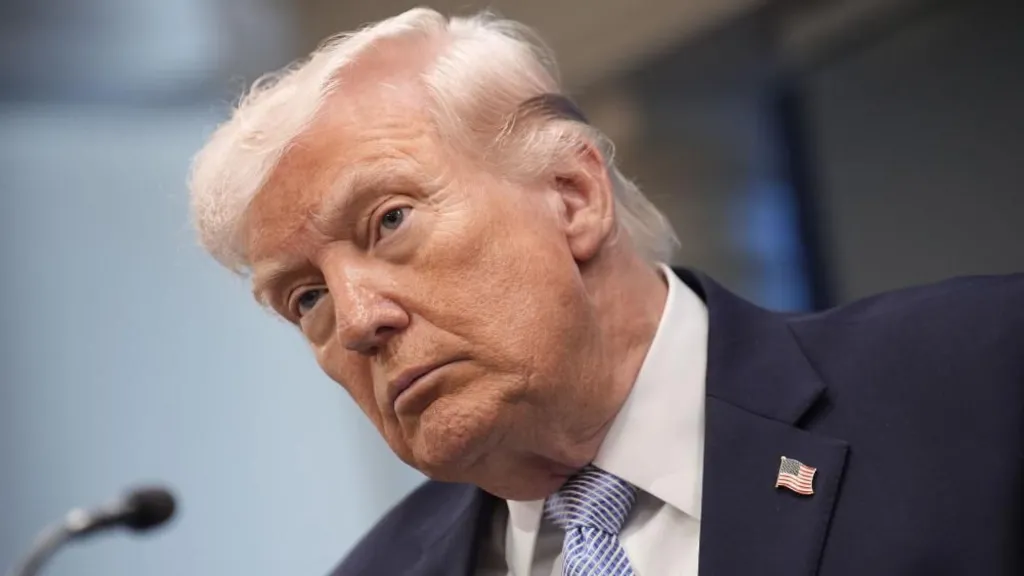
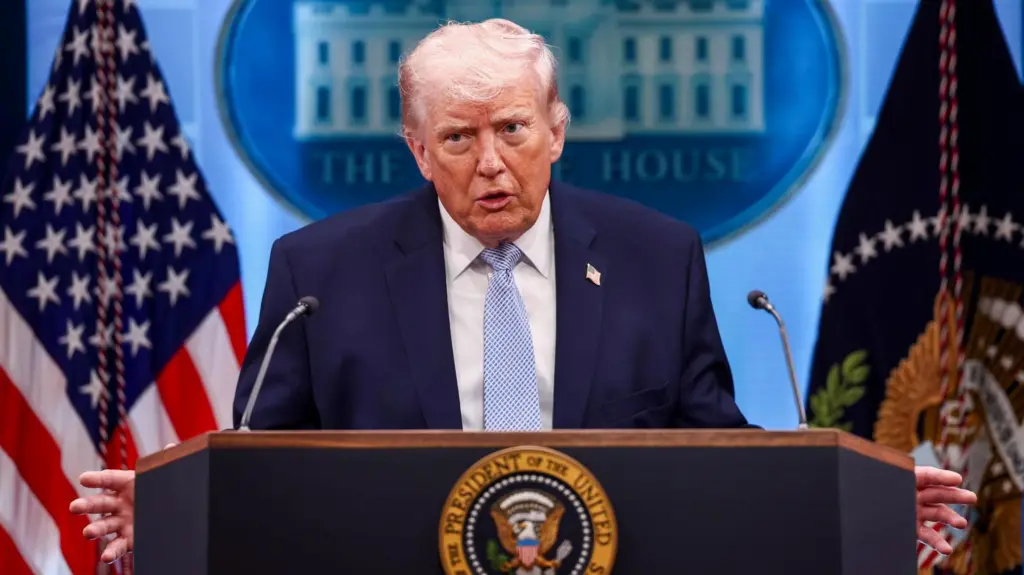
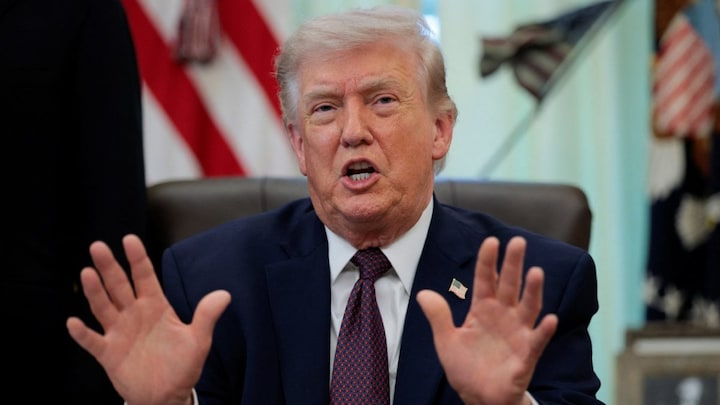
The United Nations Secretary‑General and the Pope have publicly rebuked Donald Trump for threatening the annihilation of an entire civilization unless Iran accepts a deal to end hostilities and reopen the strategic Strait of Hormuz.
International condemnation
António Guterres, Secretary‑General of the United Nations, expressed profound concern about statements that suggest civilian populations or entire cultures could be sacrificed as a result of political or military choices. He called such rhetoric “deeply troubling” and warned that no legitimate military objective can justify the wholesale destruction of a society’s infrastructure or the deliberate infliction of suffering on civilians.
Pope Leo XIV, the head of the Roman Catholic Church, labeled the threat as “unacceptable” and emphasized that the issue transcends legal considerations, rising to a fundamental moral question. The pontiff urged all involved parties to return to the negotiating table without delay.
Volker Türk, United Nations High Commissioner for Human Rights, condemned the “tirade of incendiary rhetoric” being employed by all sides in the Middle East conflict. He described the language as “sickening” and reminded that intentional attacks on civilians and civilian infrastructure constitute war crimes under international law, demanding accountability before a competent judicial body.
Diplomatic initiatives and extensions
As the deadline set by Donald Trump approached, Pakistan, acting as a regional mediator, appealed for a two‑week extension to allow diplomatic channels to operate fully. Prime Minister Shehbaz Sharif of Pakistan posted a message on the social platform X, asserting that diplomatic efforts were progressing steadily and could yield substantive results in the near future. Shehbaz Sharif also called on Iranian leadership to reopen the Strait of Hormuz for a corresponding period as a goodwill gesture.
Karoline Leavitt, Press Secretary of the White House, confirmed that the proposal from Pakistan had been received and that a response from the United States would follow. The request for an extension reflected the belief that continued dialogue could avert further escalation.
Jean Arnault, personal envoy of António Guterres, travelled to the region to support intensified diplomatic activity. António Guterres urged all parties to step up negotiations, emphasizing that the United Nations stands ready to facilitate a peaceful settlement.
Donald Trump’s warning and its implications
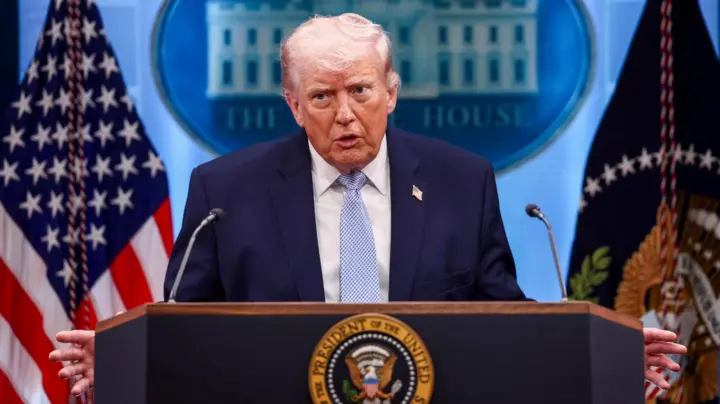
Donald Trump issued an apocalyptic warning intended to increase pressure on Iran to reopen the Strait of Hormuz, a narrow Gulf waterway through which roughly one‑fifth of global oil and gas shipments pass. In a post on his social media platform, Donald Trump wrote that “a whole civilisation will die tonight, never to be brought back again. I don’t want that to happen, but it probably will.” He added that, following a regime change, “different, smarter, and less radicalised minds prevail,” leaving the outcome uncertain.
Donald Trump also claimed that the United States military could destroy every bridge and power plant in Iran within four hours should the deadline pass without a deal being reached. Vice‑President JD Vance expressed hope for a negotiated settlement but hinted that the United States possesses “tools in our tool kit” that have not yet been employed. The White House later clarified that no reference was being made to nuclear weapons.
Military actions on both sides
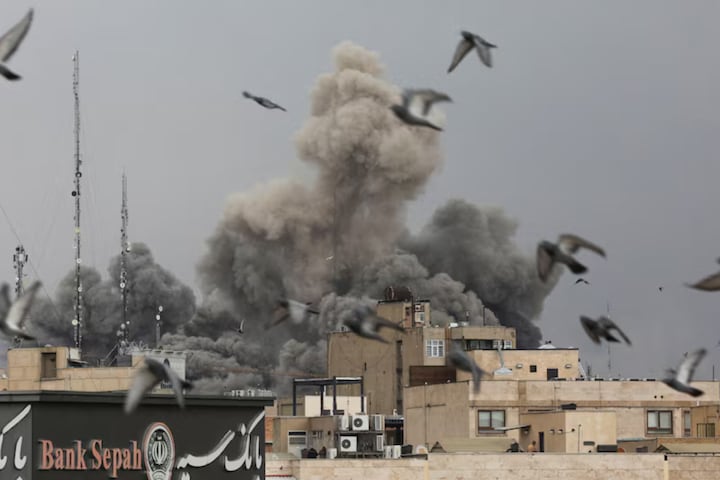
On the day preceding the deadline, the United States and Israel intensified air strikes across Iran. The United States targeted military installations on Kharg Island, the primary terminal for Iranian oil exports in the Gulf, as well as eight railway bridges. Iranian officials later asserted that the attacks did not disrupt oil facilities.
Israel, represented by Prime Minister Benjamin Netanyahu, announced that Israeli fighter jets had struck railway tracks and bridges throughout Iran that were allegedly used by the Iranian Revolutionary Guard Corps to transport personnel, weapons, and raw materials for weapons production. Benjamin Netanyahu declared that Israel was “crushing the terrorist regime in Iran” with increasing vigor and force.
The Iranian Revolutionary Guard Corps responded by launching additional ballistic missiles toward Israel and claimed responsibility for striking a ship in the Gulf and a petrochemical complex in Saudi Arabia. The Revolutionary Guard Corps also warned that any crossing of “red lines” by the United States would provoke retaliation beyond the immediate region, including attacks on infrastructure to deprive the United States and its allies of oil and gas for years.
According to Iranian state media, a railway bridge in Kashan was hit, resulting in two fatalities, and a section of tracks near Karaj was also damaged. Additional reports indicated that eighteen people were killed in Alborz province and that a synagogue in Tehran, the Rafie‑Nia synagogue, was destroyed during the hostilities. Israel’s military expressed regret over collateral damage to the synagogue, stating that the target was a senior Iranian military commander.
The Iranian Revolutionary Guard Corps later claimed to have attacked a major Saudi petrochemical complex in Jubail using missiles and drones, citing retaliation for similar Israeli strikes on facilities in southern Iran. Saudi Arabia’s defence ministry reported that debris from intercepted ballistic missiles fell near energy installations in the eastern part of the kingdom.
Humanitarian impact and public mobilization
Masoud Pezeshkian, President of Iran, announced that more than fourteen million Iranians had registered their willingness to sacrifice their lives to defend the nation. Images released by Iranian state media showed dozens of civilians forming human chains on bridges and at power plants as a symbolic act of resistance.
Casualty figures released by a US‑based human rights monitoring organization indicated that nearly 3,600 individuals, including at least 1,665 civilians, had been killed in Iran since the conflict began. More than thirty individuals were reported killed by Iranian missile and drone attacks on Gulf Arab states, while twenty‑four fatalities were recorded in Israel and the occupied West Bank. Thirteen United States service members stationed in the region had also lost their lives in the ongoing hostilities.
Legal and moral considerations
António Guterres reiterated that there is no justification for the systematic destruction of civilian infrastructure and warned that such actions would violate fundamental principles of international humanitarian law. He called for heightened diplomatic initiatives and emphasized the role of the United Nations in preventing further escalation.
Volker Türk warned that any party responsible for deliberate attacks against civilians or civilian objects would be liable for war crimes, urging the international community to ensure that perpetrators are brought before competent courts.
Pope Leo XIV highlighted the moral dimensions of the conflict, stating that the threat against the Iranian people is “truly unacceptable” and urging all sides to pursue a peaceful resolution grounded in both legal and ethical standards.
Recent diplomatic proposals
In the weeks preceding the heightened tensions, Donald Trump transmitted a fifteen‑point peace plan to Iran via Pakistan. Although the document was not made public, it reportedly addressed Iran’s ballistic missile programme, nuclear ambitions, and the issue of free navigation through the Strait of Hormuz. Iranian leadership rejected the demands as excessive and responded with a ten‑paragraph proposal that sought a “permanent end” to the war and included a protocol guaranteeing safe passage through the Strait of Hormuz.