Did You Grow Up In The 90s? This Retro Collection Of Everyday Items Will Instantly Take You Back To The Good ’Old’ Times
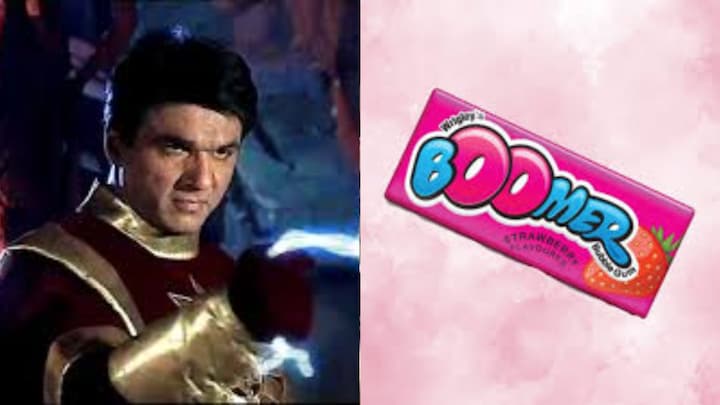
A nostalgic journey through the ’90s, revisiting iconic objects, shows, and brands that defined childhood memories, from cassette tapes to classic cars and timeless jingles
Why the 1990s Remain a Cultural Touchstone
The decade that followed the neon glow of the 1980s introduced a generation to a blend of analog charm and emerging digital curiosity. Children who spent their afternoons in front of bulky televisions, whose evenings were punctuated by the click‑click of magnetic tape, and whose weekends often featured the rumble of classic cars, still recall a period marked by unmistakable sights and sounds. Those everyday experiences forged a collective memory that resurfaces whenever a familiar ringtone or a retro appliance reappears in today’s world.
While technology has leapt forward, the emotional resonance of the items that populated daily life during that era endures. The following sections unpack three central pillars of that nostalgic landscape—cassette tapes, classic cars, and timeless jingles—illustrating how each component contributed to the larger tapestry of 90s childhood.
Cassette Tapes: The Soundtrack of Playful Rebellion
Cassette tapes stood as the primary medium for music lovers and storytellers alike. The compact, rectangular containers held magnetic strips upon which audio could be recorded, played, and rewound. Children would gather around portable cassette players, threading the thin ribbon of tape through gears that rotated with a soft whir. The tactile act of inserting a cassette, pressing the “play” button, and hearing the faint hiss before the first note emerged created a ritual that reinforced a sense of ownership over the music.
Beyond merely listening, cassette tapes enabled creative expression. Users could record their favorite radio shows, capture the chatter of friends, or even lay down homemade mixes. The practice of fast‑forwarding through songs, pausing at the perfect chorus, and rewinding to replay a beloved lyric built a personal relationship with each recording. This interactive experience differentiated cassette tapes from later, more passive formats.
The design of cassette tapes also contributed to their nostalgic allure. Brightly colored plastic housings—often adorned with cartoon characters, bold patterns, or glossy finishes—allowed individuals to display personal style. Collections grew on bedroom shelves, each cover acting as a visual reminder of a specific mood, era, or memory. The act of swapping tapes with friends became a social ritual, fostering connections grounded in shared musical taste.
When a cassette tape reached its end, the audible click signaled a conclusion, prompting listeners to either rewind and start anew or reach for another cassette. This cyclical pattern mirrored the rhythm of childhood: a series of beginnings, climaxes, and gentle conclusions that taught patience and anticipation.
Classic Cars: Rolling Icons of Freedom and Adventure
Classic cars occupied a special place in the imaginations of 90s youth. From the sleek lines of a vintage sedan to the boxy charm of an early‑era SUV, these vehicles represented more than transportation; they embodied adventure, independence, and the promise of distant horizons.
Family outings often revolved around the comfort of a classic car’s spacious interior, where siblings could share snacks, exchange stories, or simply gaze out the window at the passing landscape. The gentle rumble of the engine, the feel of the steering wheel, and the occasional scent of leather upholstery combined to create an immersive sensory experience that linked the vehicle to cherished family moments.
Many classic cars also featured distinctive designs that stood out on city streets. Headlights shaped like elongated ovals, chrome trims that caught the sun’s reflection, and bold color palettes turned each vehicle into a moving canvas. Children would pause at traffic lights, eyes widening as the car’s unique silhouette passed by, cementing the visual imprint of that era’s automotive aesthetic.
The cultural impact of classic cars extended to television and film, where they often served as the backdrop for pivotal scenes. Whether a character cruised down a boulevard in a sleek model or embarked on a road trip in a sturdy wagon, the presence of a classic car signaled excitement, freedom, and the allure of the open road.
Even the act of sitting in the passenger seat offered a sense of wonder. The view of the highway stretching ahead, the rhythmic bounce of the suspension, and the soft hum of the radio painting the air with popular tracks—all contributed to a feeling of boundless possibility that many 90s children associate with youthful optimism.
Timeless Jingles: Sonic Anchors of Brand Memory
Timeless jingles formed an auditory thread that stitched together daily routines. Short melodic phrases, often accompanied by simple lyrics, were crafted to linger in the mind long after a commercial break ended. These catchy tunes served a dual purpose: they reinforced brand identity while simultaneously providing a soundtrack for everyday moments.
When a jingle played, the immediate reaction was often one of recognition, followed by a subconscious hum. Whether it accompanied a breakfast cereal box, a soft‑drink advertisement, or a television network promo, the melody would echo in hallways, classrooms, and playgrounds. The recurring exposure turned each tune into a cultural touchstone that children could identify without seeing a visual cue.
Beyond brand promotion, timeless jingles acted as memory triggers. Hearing a familiar phrase could instantly transport a listener back to a specific scene—perhaps standing in line at a store, collecting a promotional giveaway, or gathering with friends to watch a televised event. This associative power amplified the emotional weight of each auditory snippet.
The composition of timeless jingles typically involved uncomplicated chord progressions, repetitive hooks, and a tempo that matched the lively pace of youth. These musical choices ensured that the tune was easy to remember, easy to sing along with, and easy to internalize. The result was a generation of children who could recite entire verses without needing the original advertisement.
Even decades later, the resonance of those jingles persists. When a familiar refrain resurfaced on a modern platform, the same sense of excitement and nostalgia reemerged, confirming the lasting impact of these sonic signatures on collective memory.
Interweaving Nostalgia: How Everyday Objects Shaped a Generation
The synergy between cassette tapes, classic cars, and timeless jingles created a holistic environment in which each element reinforced the others. A child might listen to a favorite cassette while riding in a classic car, the radio playing a recognizable jingle that signaled a brand beloved by the entire family. This layered experience amplified the emotional connection to each artifact, embedding them deeply within the narrative of youth.
Moreover, the tactile nature of these items fostered a hands‑on relationship with the world. Inserting a cassette required physical effort; adjusting the seat in a classic car involved levers and knobs; humming a jingle engaged vocal cords. These interactions contrasted with the fleeting, touchscreen‑driven engagements of later generations, providing a sense of accomplishment and personal involvement.
The cultural imprint of these objects also extended beyond the home. Schools, community centers, and retail spaces incorporated elements of the decade’s aesthetic. Posters featuring cassette covers adorned bulletin boards, while parking lots displayed rows of classic cars that served as backdrops for school events. Even the background music in public venues relied heavily on timeless jingles, creating an omnipresent soundtrack that tied together disparate parts of daily life.
As a result, the collective memory of those who grew up in the 90s is not fragmented but rather a continuous tapestry woven from sensory, visual, and auditory threads. The enduring power of each element demonstrates how everyday objects can transcend mere functionality to become icons of cultural identity.
Revisiting the Past: A Call to Relive and Celebrate
For those who lived through the era, revisiting cassette tapes, classic cars, and timeless jingles offers more than a trip down memory lane; it provides an opportunity to celebrate the foundational experiences that shaped personal values, friendships, and aspirations. By sharing these stories with younger generations, the spirit of the 90s continues to inspire creativity, community, and a sense of wonder about the simple pleasures of everyday life.
Modern creators are increasingly drawing upon these nostalgic motifs, weaving the familiar into new narratives. Whether a filmmaker incorporates the visual aesthetic of a cassette cover or a designer revives the sleek silhouette of a classic car, the legacy of those everyday items remains vibrant. The continued relevance of these symbols underscores their timeless quality and their ability to connect people across decades.
In the end, the force that keeps the memory of the 90s alive is not merely nostalgia—it is the shared acknowledgment that these ordinary objects, once taken for granted, possessed an extraordinary capacity to shape identities, forge bonds, and ignite imagination. Embracing that truth allows anyone, regardless of when they grew up, to appreciate the profound impact of cassette tapes, classic cars, and timeless jingles on the cultural fabric of an entire generation.