Rupee Gains Half a Rupee to Reach 92.56 Per Dollar Ahead of RBI Monetary Policy Committee Decision

Market backdrop and immediate drivers of the rupee’s rise
The Indian rupee opened the trading session at a level of 92.92 against the United States dollar. Within a matter of minutes, the exchange rate tightened further, touching 92.56. This movement represents an improvement of fifty paise compared with the previous close of 93.06. The upward trajectory coincided with a sharp decline in Brent crude futures, which fell to approximately $94.10 per barrel. At the same time, equity markets across the United States posted gains exceeding two percent, while major Asian indices in South Korea and Japan recorded advances of six percent and five percent respectively.
Two additional forces contributed to the rupee’s appreciation. First, the United States Treasury yield curve softened, pulling the dollar index lower. Second, the South Korean won led a broader rally among Asian currencies, appreciating by roughly one and a half percent. The combination of these elements created a favourable environment for the Indian rupee.
Impact of the Iran‑United States cease‑fire on risk assets
Forex market participants attributed a sizable portion of the rupee’s gain to a recently announced cease‑fire between Iran and the United States. The cease‑fire announcement sparked a wave of bargain‑seeking activity across risk‑on assets. Asian equity markets, Dow Jones futures, and precious metals all registered notable gains in the same interval that Brent crude oil slipped below the $100 mark, reaching approximately $96 per barrel.
The declaration of a two‑week pause in hostilities was delivered by the United States President. The statement provided a clear signal that immediate escalation was being avoided, thereby reducing uncertainty around potential supply‑side shocks to global oil markets. With oil prices retreating, the pressure on the Indian rupee eased, allowing the currency to move upward.
RBI policy timeline and the significance of the upcoming decision
The Reserve Bank of India maintains a deadline for the squaring of positions taken overnight that extend up to one hundred million United States dollars. This deadline remains in effect until the tenth of the month. On the same day, the Reserve Bank of India is scheduled to announce its monetary policy outcome at ten in the morning.
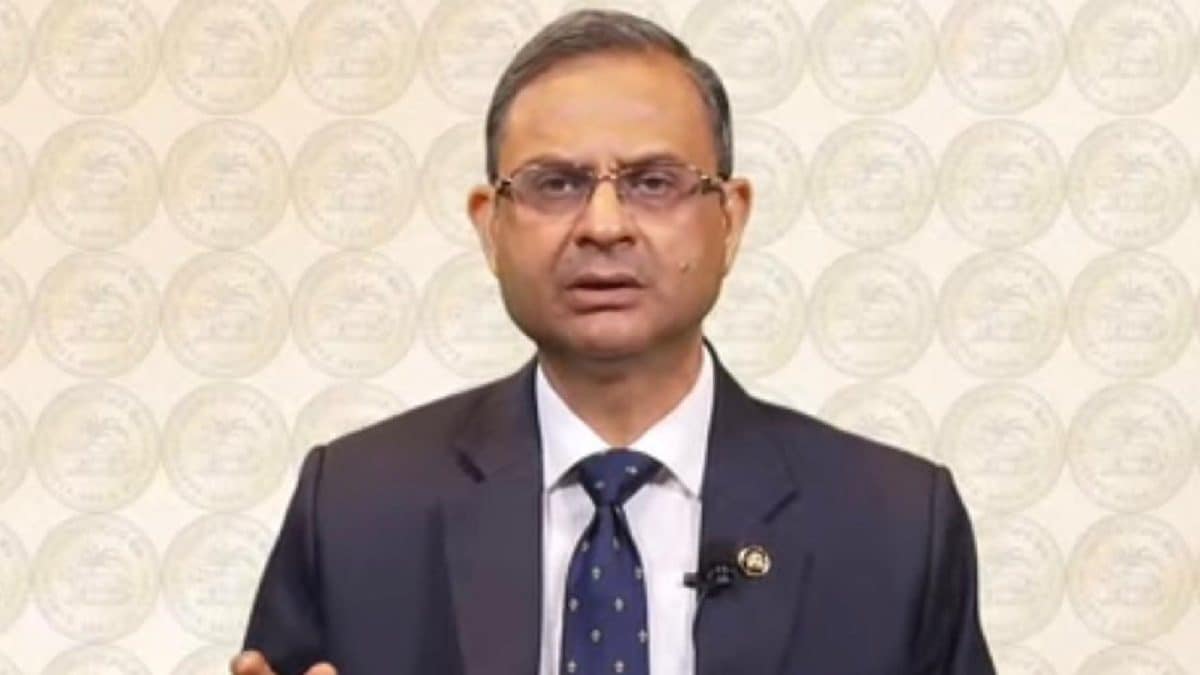
The forthcoming commitment from the six‑member Monetary Policy Committee, chaired by Reserve Bank Governor Sanjay Malhotra, will be closely scrutinised. Market observers anticipate that the tone of the policy statement will shed light on the Reserve Bank of India's outlook for inflation, its assessment of global uncertainties, and any potential emphasis on currency stability. The outcome of the Monetary Policy Committee meeting is expected to influence both short‑term market sentiment and longer‑term expectations for growth.
Commentary from market analysts
CR Forex Advisors Managing Director Amit Pabari highlighted the importance of the policy tone. "The tone of the policy will be closely tracked, especially given the rapidly changing global environment," Amit Pabari stated. The analyst underscored that the interplay between external risk factors and domestic monetary conditions will likely dominate the Reserve Bank of India's communication strategy.
Other market participants echoed the sentiment that the cease‑fire served as a major relief for risk‑averse investors. Over the preceding weeks, markets had been forced to contend with the possibility of a protracted conflict and its attendant impact on global inflation dynamics. The cessation of active hostilities therefore provided a clearer backdrop against which the Reserve Bank of India could formulate its policy response.
Broader implications for the Indian economy
The strengthening of the Indian rupee, even in the face of volatile global oil prices, carries several implications for the domestic economy. A firmer rupee reduces the cost of imported goods, which can help contain headline inflation. Lower oil prices translate into reduced input costs for transportation and manufacturing sectors, thereby supporting growth narratives that the Reserve Bank of India may wish to reinforce in its policy guidance.
At the same time, the rupee’s appreciation must be balanced against the need to preserve export competitiveness. Analysts suggest that a modest appreciation, such as the fifty‑paise gain observed, is unlikely to erode the price advantages of Indian exporters, especially when global demand remains resilient.
Future outlook and potential scenarios
Should the Reserve Bank of India adopt a dovish stance, the rupee could experience further upside as market participants price in a continuation of the current risk‑on narrative. Conversely, a more hawkish orientation, potentially aimed at pre‑emptively anchoring inflation expectations, might temper the rupee’s rally and introduce modest volatility.
In any scenario, the interaction between oil price movements, geopolitical developments, and the Reserve Bank of India's policy trajectory will remain the dominant theme for market participants. The recent plunge in Brent crude, combined with the diplomatic de‑escalation in the Middle East, has already removed a significant source of upward pressure on the rupee. The forthcoming policy statement from the Monetary Policy Committee will therefore serve as the next critical juncture for investors, traders, and policymakers alike.