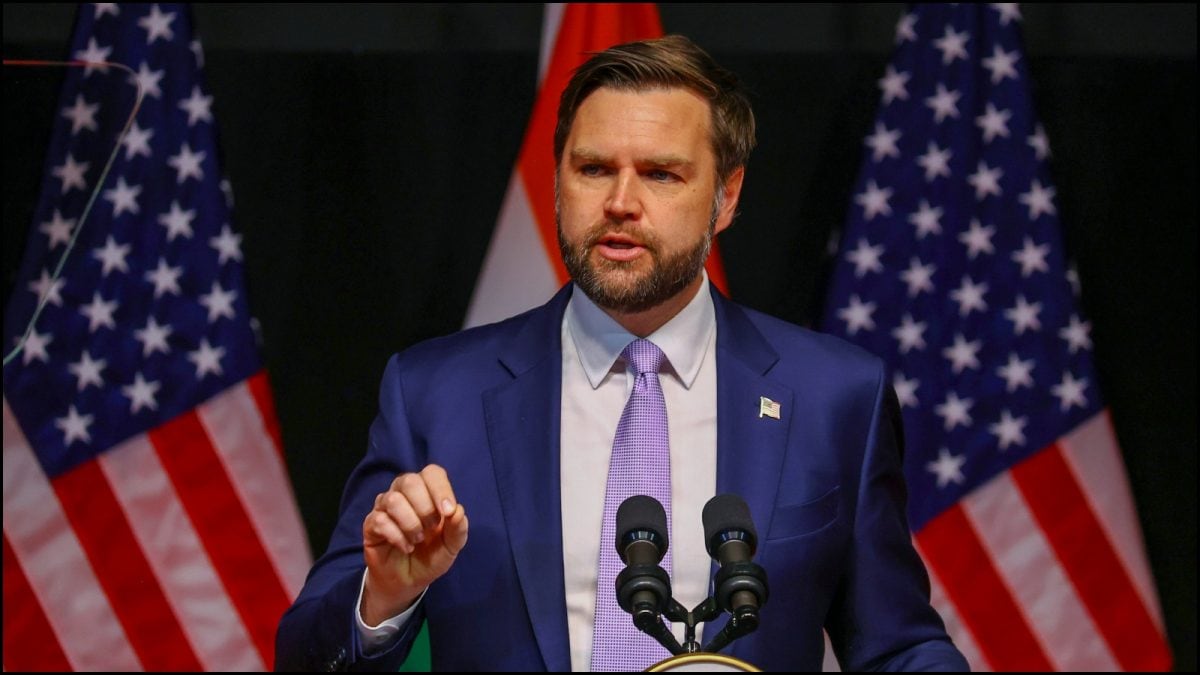
From War Skeptic to Lead Deal‑Maker: How President Donald Trump’s Iran Strategy Elevates JD Vance
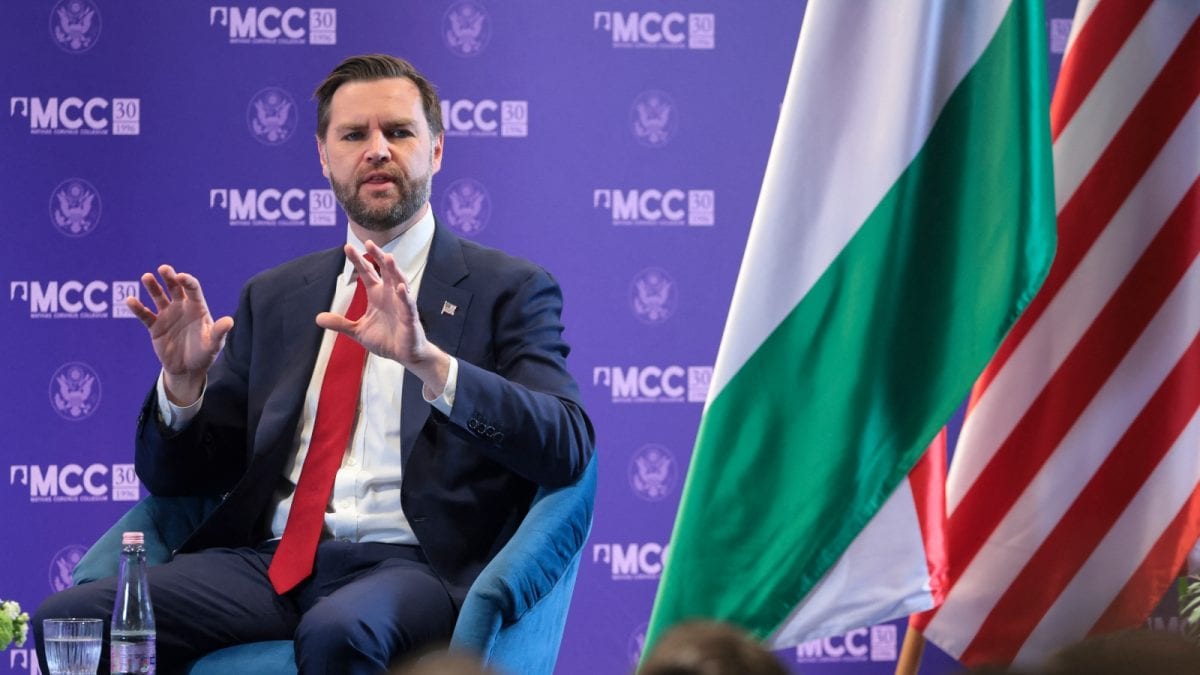
JD Vance’s early resistance to the Iran war and later participation in the cease‑fire negotiations have considerably amplified JD Vance’s influence inside the Trump administration.
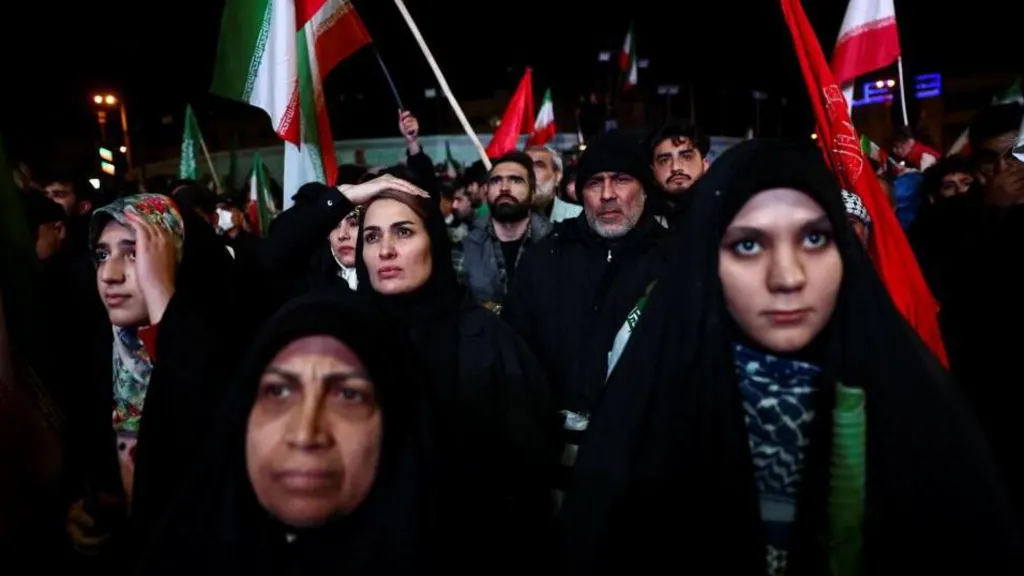
Background of the Iran Conflict and the Pursuit of a Cease‑Fire
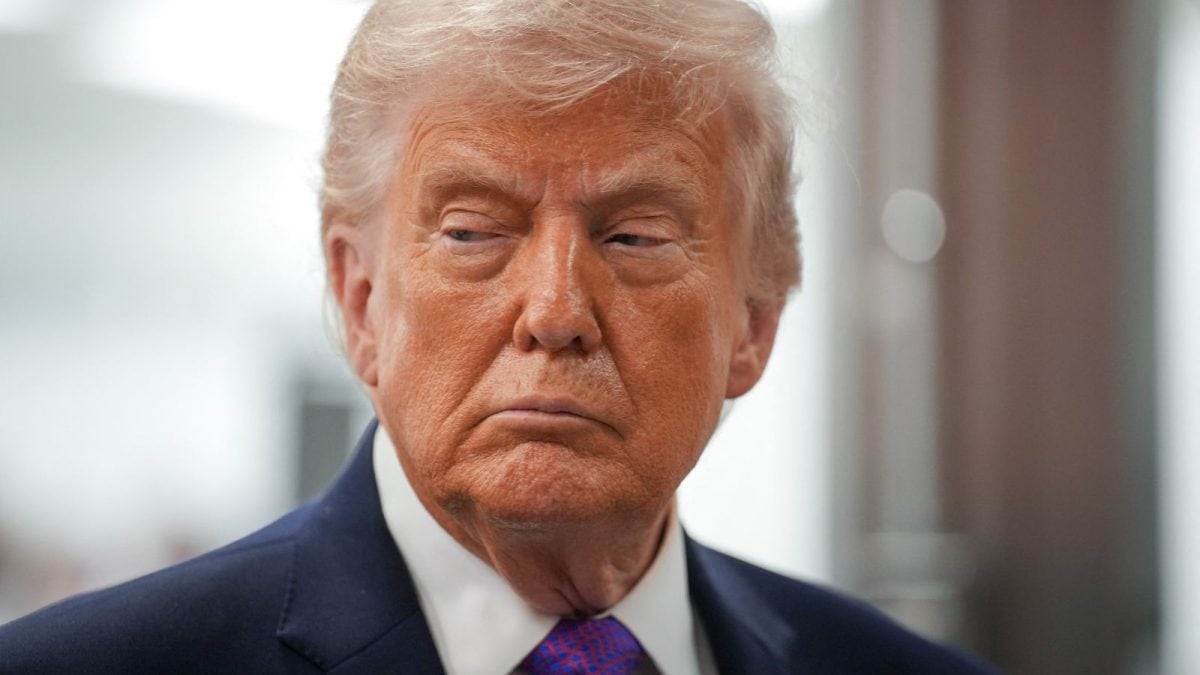
The confrontation between the United States and Iran escalated to a point where the two sides aGreed to a temporary cessation of hostilities lasting two weeks. This pause materialized just before the deadline set by President Donald Trump for a broader escalation. President Donald Trump hailed the outcome as an unequivocal triumph, describing the result as a “total and complete victory, 100 percent, no question about it.” President Donald Trump also indicated that China may have contributed to persuading Iran to return to the negotiating table, and he alluded to a larger framework comprising fifteen points that had already been largely settled.
The cessation of combat operations created a political environment in which the individual who had most prominently opposed further aggression could claim a strategic advantage. JD Vance, who had consistently warned against a regime‑change war, found that the cease‑fire amplified the relevance of those earlier warnings.
JD Vance’s Initial Opposition Within the Trump Administration
Within the inner circle surrounding President Donald Trump, JD Vance emerged as the most vocal critic of any direct military strike against Iran. According to reporting from a major newspaper, JD Vance repeatedly cautioned that a war aimed at regime change would unleash a cascade of destabilizing effects across the Middle East. JD Vance argued that such a conflict would generate extensive civilian casualties, ignite a surge of anti‑American sentiment, and produce an adverse political backlash in domestic constituencies that had supported President Donald Trump’s pledge to avoid new wars.
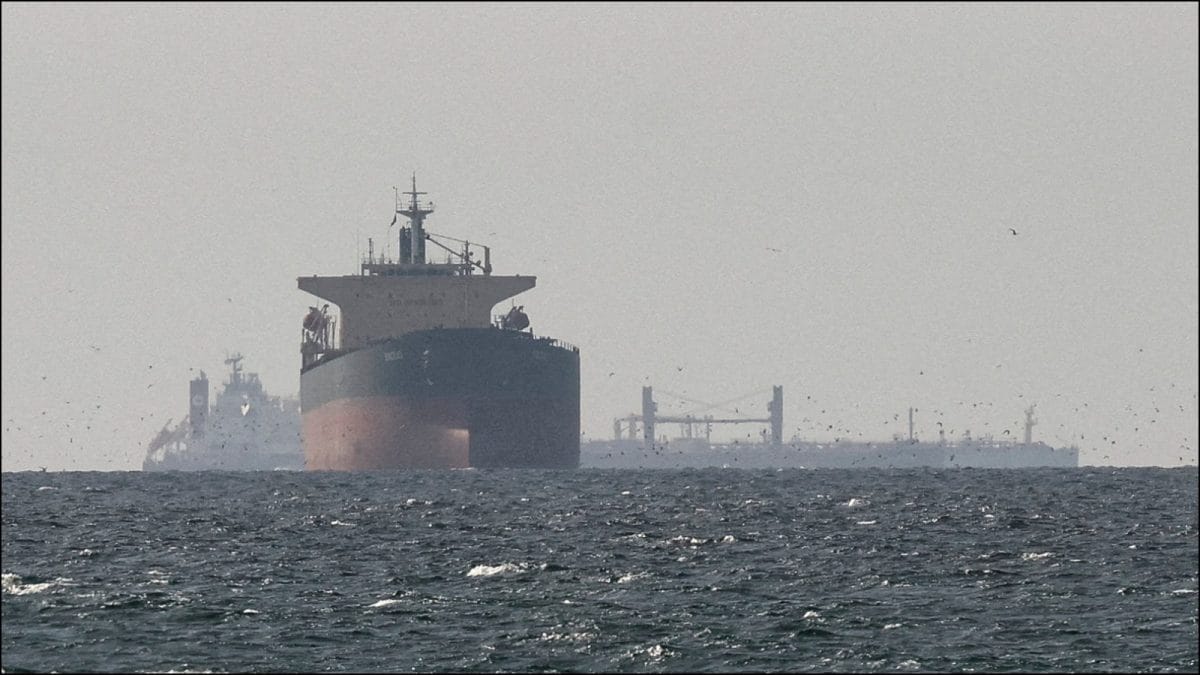
In private strategy sessions, JD Vance highlighted several specific risks. JD Vance warned that the United States could experience a rapid depletion of its munitions stockpiles, that Iran possessed the capacity to launch retaliatory strikes, and that disruption of the Strait of Hormuz could cause a sharp increase in global oil prices. JD Vance also emphasized that the United States’ coalition of allies might fracture, potentially weakening President Donald Trump’s broader geopolitical standing.
Throughout these discussions, JD Vance maintained a consistent line: the United States should seek diplomatic avenues rather than resort to large‑scale kinetic action. JD Vance’s stance contrasted sharply with the more hawkish positions held by other senior officials.
Adapting to Shifting Realities as the Administration Approached Conflict
When the Trump administration began to gravitate toward a more aggressive posture, JD Vance adjusted the tone of public statements while preserving the core message that caution was essential. JD Vance expressed a willingness to consider limited, precisely calibrated options, emphasizing that any use of force should be swift and decisive. In a pivotal meeting that took place shortly before the launch of hostilities, JD Vance reportedly conveyed to President Donald Trump: “You know I think this is a bad idea, but if you want to do it, I’ll support you.” This admission revealed JD Vance’s pragmatic approach: while fundamentally opposed to war, JD Vance remained ready to align with President Donald Trump’s ultimate decision.
The evolution of JD Vance’s position did not constitute a reversal of principle; rather, JD Vance framed the shift as a strategic concession aimed at preserving influence over the direction of the campaign. By staying within the decision‑making circle, JD Vance could continue to inject cautionary viewpoints into the planning process.
Maintaining Distance from Operation Epic Fury
When the United States officially commenced the military campaign known as Operation Epic Fury, JD Vance intentionally limited public association with the operation. Unlike several other senior officials who were prominently featured in briefings and press releases, JD Vance avoided direct participation in the operational command structure and refrained from being portrayed as a principal architect of the campaign.
This deliberate distancing allowed JD Vance to mitigate political liability. By not being tightly linked to the execution of Operation Epic Fury, JD Vance could later claim a deGree of separation from any unintended consequences that might arise from the operation, such as civilian casualties or unintended escalation with regional actors.
The strategic choice to remain on the periphery of Operation Epic Fury proved advantageous once the cease‑fire was declared. JD Vance entered the diplomatic phase with a reputation that combined both critical skepticism and measured involvement, positioning JD Vance as a credible voice in the subsequent negotiations.
Transition to a Lead Negotiator in the Cease‑Fire Process
During the announcement of the cease‑fire, President Donald Trump identified JD Vance as one of the lead negotiators tasked with guiding the United States through the next phase of diplomatic engagement. President Donald Trump referenced Secretary of State Marco Rubio and other senior officials, stating: “They’re doing it along with Marco, JD. We have a number of people doing it.” This public acknowledgment elevated JD Vance’s profile and signaled a formal transition from war skeptic to principal diplomatic actor.
In the ensuing negotiations, JD Vance consistently advocated for a balanced approach that protected United States interests while also offering Iran a pathway to de‑escalate. JD Vance’s earlier warnings about the strategic importance of the Strait of Hormuz informed the negotiating stance, ensuring that any aGreement would include safeguards against future disruptions to global oil flow.
The joint effort involving Secretary of State Marco Rubio, JD Vance, and additional diplomatic staff resulted in a tentative framework that addressed many of the fifteen points previously hinted at by President Donald Trump. The cease‑fire aGreement, while temporary, laid the groundwork for a longer‑term arrangement that could potentially resolve the core issues underpinning the conflict.
Political Gains for JD Vance Within the Trump Administration
With the cease‑fire firmly in place, JD Vance’s earlier opposition to the war and subsequent involvement in the negotiations have collectively amplified JD Vance’s standing inside the Trump administration. JD Vance now occupies a unique position: JD Vance is viewed simultaneously as a prudent voice that cautioned against unnecessary conflict and as an effective diplomat capable of navigating complex international talks.
This dual perception furnishes JD Vance with considerable leverage. JD Vance can claim credit for having anticipated the risks associated with a full‑scale war, while also demonstrating the ability to contribute constructively to conflict resolution. JD Vance’s trajectory illustrates how a carefully managed balance between dissent and cooperation can translate into heightened influence within a presidential administration.
Moreover, JD Vance’s elevated profile may shape future policy directions as the United States seeks to solidify the fragile peace and address lingering tensions with Iran. JD Vance’s experience in both critiquing and negotiating offers a template for how dissenting perspectives can be integrated into the broader strategic calculus of the administration.
Implications for Future U.S.–Iran Relations
The temporary cessation of hostilities, coupled with the diplomatic framework outlined by President Donald Trump, suggests a possible shift toward a more negotiated approach to United States–Iran relations. JD Vance’s involvement signals that the administration may be willing to incorporate voices that emphasize restraint and diplomatic engagement.
While the cease‑fire remains limited in duration, the involvement of high‑ranking officials such as Secretary of State Marco Rubio and JD Vance indicates that the United States is prepared to invest political capital in sustaining the pause and potentially expanding it into a more durable settlement.
Should the fifteen‑point framework evolve into a comprehensive aGreement, the United States could see reduced pressure on the Strait of Hormuz, stabilization of regional oil markets, and a less volatile security environment in the Middle East. JD Vance’s early warnings about these very issues lend credibility to the notion that the administration’s current diplomatic trajectory aligns with the strategic concerns JD Vance raised from the outset.