President Trump’s Easter Day Threat to Iran Ignites Nationwide Fury
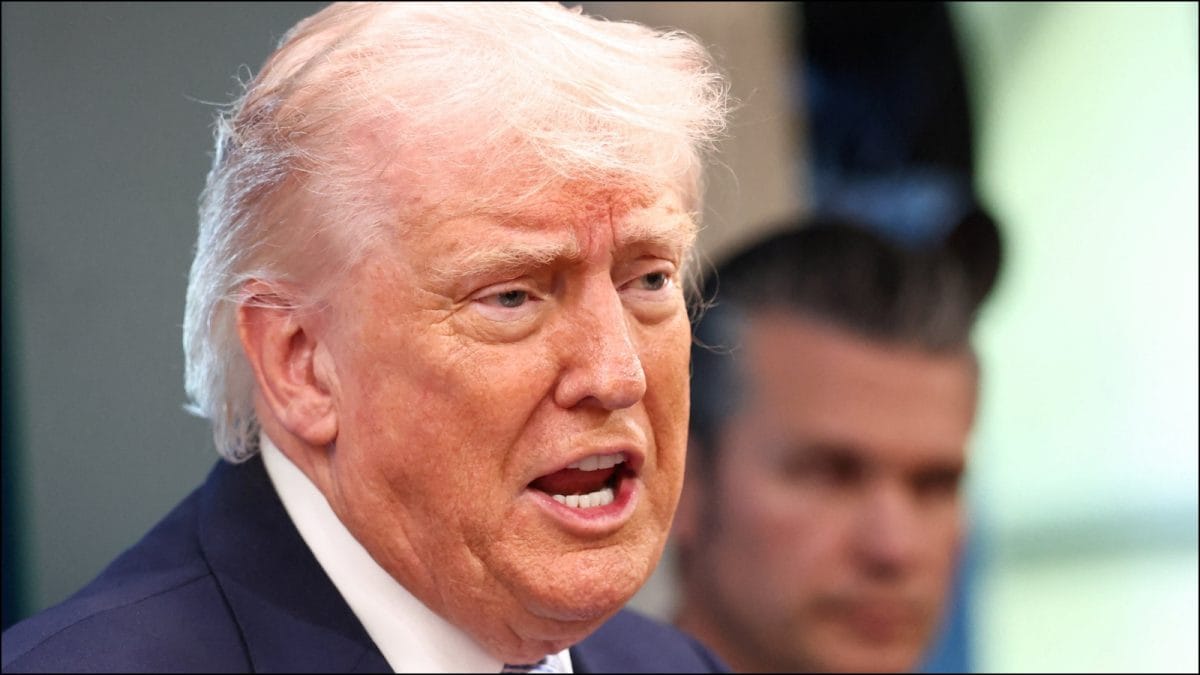
A profanity‑filled admonition from President Trump to Iran has provoked sharp rebuke from Democrats, media commentators and ordinary Americans, who decry the hostile tone and potential repercussions.
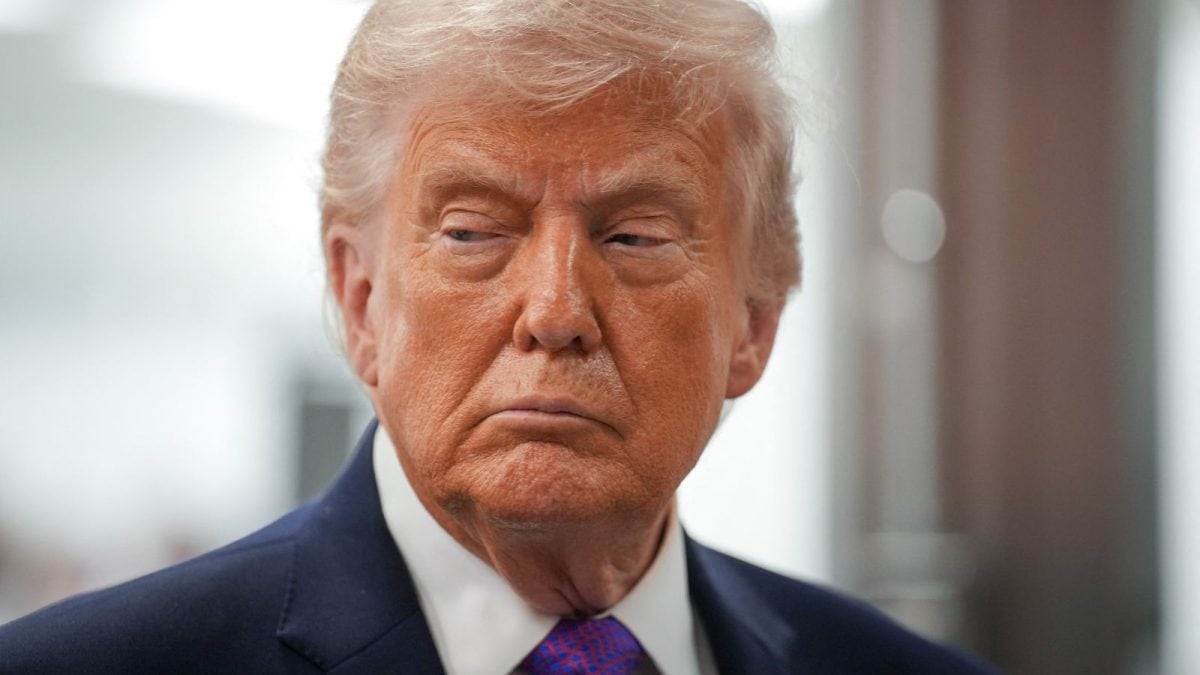
Trump’s profanity‑laden warning to Iran has sparked a wide‑ranging reaction in the US with Democrats, media and citizens alarmed by the tone and implications of the message.
Trump’s Post Sparks Outrage Across America
The remarks drew strong criticism from political leaders, commentators, and media figures, many flagging both the language and the implications of targeting infrastructure.
Senior Democrat Chuck Schumer, one of the most powerful opposition voices in Washington, criticised President Trump in unusually blunt terms.
“Happy Easter, America… the President of the United States is ranting like an unhinged madman on social media," Chuck Schumer wrote on X, warning that such rhetoric risks alienating allies and escalating tensions.
Happy Easter, America. As you head off to church and celebrate with friends and family, the President of the United States is ranting like an unhinged madman on social media. He’s threatening possible war crimes and alienating allies.
This is who he is, but this is not who we… https://t.co/UixJXNqykI
— Chuck Schumer (@SenSchumer)
It was at this point that our Founders thought the best thing to do would be to remove a mad man who has the executive office. It became more formalized with the 25th amendment, but more people now should be calling for this man’s removal. https://t.co/mXrDCqZtlt— Anthony Scaramucci (@Scaramucci)
“On Easter morning, this is what President Trump posted. Everyone in his administration that claims to be a Christian needs to fall on their knees and beg forgiveness from God and stop worshipping the President and intervene in Trump’s madness. I know all of you and him and he has gone insane, and all of you are complicit," an excerpt of her X post reads.
Broader Political Backlash
The outcry was not confined to a single party hallway; members of the opposition hierarchy and a collection of bipartisan observers converged on the issue with a shared sense of alarm. The core of their argument centered on the notion that language of such intensity, especially when aired on a public platform, could inadvertently widen the gulf between diplomatic channels and battlefield rhetoric.
Chuck Schumer’s choice of words, describing President Trump as an "unhinged madman," was designed to underscore the perceived danger of unchecked aggression. By drawing a parallel between the President’s statements and an erosion of diplomatic norms, Chuck Schumer attempted to rally both lawmakers and the public around a call for restraint.
Anthony Scaramucci, a former communications chief, echoed this sentiment through a historical lens, invoking the framers of the nation and the constitutional mechanism known as the 25th amendment. The reference to the amendment was not a new legislative proposal but a reminder of existing constitutional safeguards intended to address a scenario in which the head of state becomes incapacitated or behaves in a manner that threatens national security.
The underlying message from both Chuck Schumer and Anthony Scaramucci stressed that the President’s rhetoric, especially when delivered in a profane and threatening tone, could jeopardize long‑standing alliances and provoke unintended escalation.
Media and Public Reaction
Across television studios, digital newsrooms, and social‑media comment sections, journalists and ordinary citizens alike expressed a blend of disbelief and concern. The central strand of commentary highlighted a disconnect between the President’s self‑styled image as a decisive leader and the danger inherent in employing language that could be perceived as a direct threat to another sovereign nation.
Opinion pieces pointed out that threatening “infrastructure” could be interpreted as a warning of cyber‑or physical attacks, thereby raising questions about whether such statements might constitute a violation of international norms or even be deemed a crime under existing statutes. While no official legal interpretation was offered, the prevailing sentiment suggested that the rhetoric crossed a line previously respected by elected officials.
On discussion boards and community forums, users debated the potential fallout for United States allies. Many argued that the incendiary tone could place partners in a diplomatically precarious position, forcing them to choose between supporting President Trump’s hardline stance or upholding the traditional approach of multilateral dialogue.
Interviews with ordinary Americans revealed a mixture of frustration and fatigue. Some described feeling “alienated” by the President’s approach, while others voiced a desire for a calmer, more measured discourse that would not endanger lives or strain relationships with longstanding partners.
Implications for International Relations
The content of President Trump’s warning was not limited to a generic statement of displeasure; it specifically mentioned the possibility of targeting critical infrastructure. Analysts noted that such a reference could be read as a thinly veiled threat of cyber‑warfare, a type of conflict that operates in the shadows yet can have devastating real‑world consequences.
By invoking the idea of striking at infrastructure, President Trump hinted at a strategic lever that could cripple an adversary’s economy or military capabilities. The notion that a head of state would publicly discuss employing that lever introduced an element of unpredictability into the diplomatic calculus, potentially prompting other nations to reassess their own security postures.
The reaction from Chuck Schumer and Anthony Scaramucci reinforced the belief that such statements could undermine the United States’ credibility on the world stage. If allies perceive the United States as prone to rash declarations, the confidence that underpins joint operations and intelligence sharing may erode.
Moreover, the language used by President Trump was noted for its profanity, a departure from the measured diction traditionally employed in official communications. This shift in tone raised concerns about the broader impact on diplomatic etiquette, with observers questioning whether future engagements might be conducted in a similarly confrontational manner.
Domestic Political Fallout
Within the corridors of power, the President’s message sparked a flurry of strategic discussions. Senior legislators, including Chuck Schumer, argued that the President’s approach could alienate not only foreign partners but also key domestic constituencies that value stability and measured governance.
Anthony Scaramucci’s invocation of the 25th amendment served as a reminder that constitutional mechanisms exist to address extreme scenarios. While no formal motion was introduced, the discourse highlighted a growing willingness among some political actors to consider extraordinary measures should the President’s behavior be deemed detrimental to national interests.
Public statements from members of the President’s own party were notably muted, illustrating a division within the political landscape. Some officials chose to distance themselves from the rhetoric, emphasizing a focus on policy over personality, while others maintained a cautious silence, perhaps reflecting the complex interplay of loyalty, strategy, and public perception.
The episode also resurfaced long‑standing debates about the appropriate use of social media by the nation’s chief executive. Critics argued that the immediacy of the platform can encourage impulsive statements, whereas supporters contend that direct communication bypasses traditional media filters and connects the President straight to the electorate.
Public Sentiment and Grassroots Response
Beyond the halls of Congress and the newsrooms, ordinary citizens took to their own channels to voice disapproval or concern. Many expressed a feeling that the President’s language was out of step with national values, especially when juxtaposed against a holiday traditionally associated with peace and reflection.
Petitions appeared on various platforms, calling for a reconsideration of the President’s approach and urging lawmakers to hold the executive branch accountable for statements that could jeopardize international peace.
Community leaders organized discussion panels in local venues, aiming to foster dialogue about the balance between free expression and responsible rhetoric in a democratic society. These gatherings underscored the widespread desire for a more temperate public discourse.
In many instances, the public’s reaction was characterized by a call for calm, urging the nation to “keep the channels of communication open” and to avoid “escalatory language that could lead to conflict.” The recurring theme across these grassroots movements was a yearning for stability, strategic foresight, and respect for diplomatic norms.