Donald Trump Pushes Toll Scheme for Strait of Hormuz Amid Ongoing US‑Israeli Conflict
Strategic Importance of the Strait of Hormuz
The narrow maritime corridor known as the Strait of Hormuz carries roughly one‑fifth of the world’s total crude oil and natural gas supplies. Because of this pivotal role, any interruption to traffic through the Strait of Hormuz reverberates across global markets, affecting energy costs, trade balances, and geopolitical calculations worldwide.
Since the onset of the US‑Israeli conflict on Iran, the Strait of Hormuz has been effectively closed to commercial navigation. The closure has been justified by the United States and Israel as a measure to pressure Iran, while Iran maintains that the waterway remains under its "full and decisive control."
Donald Trump’s Toll Proposition
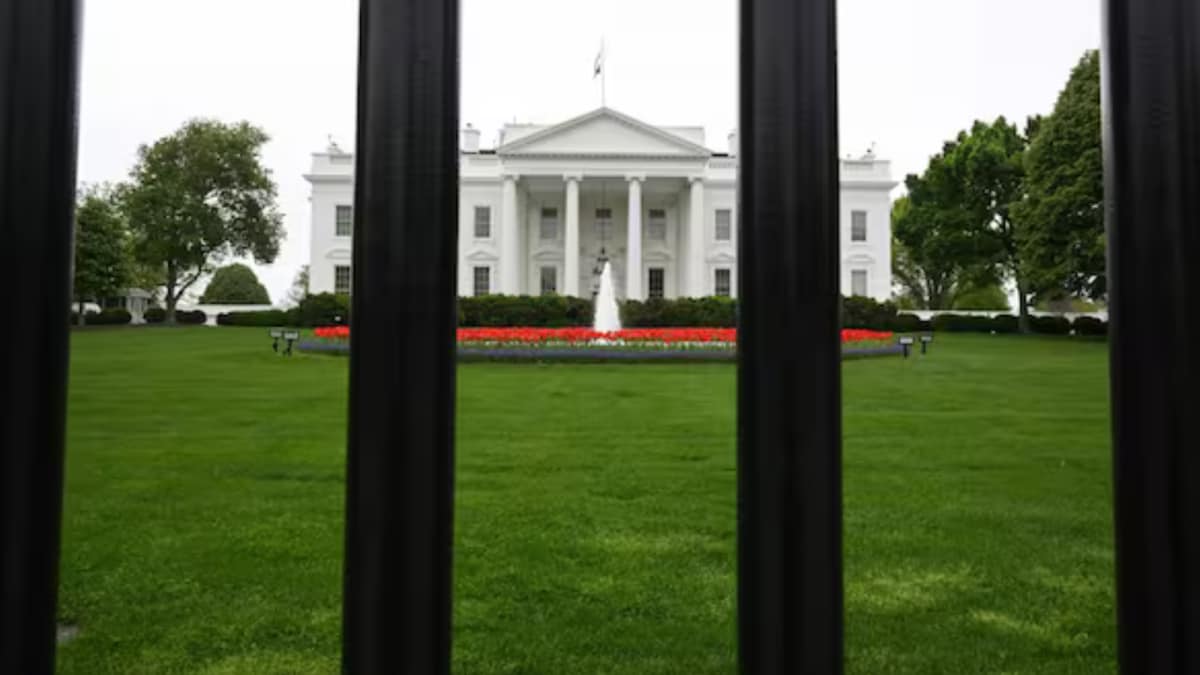
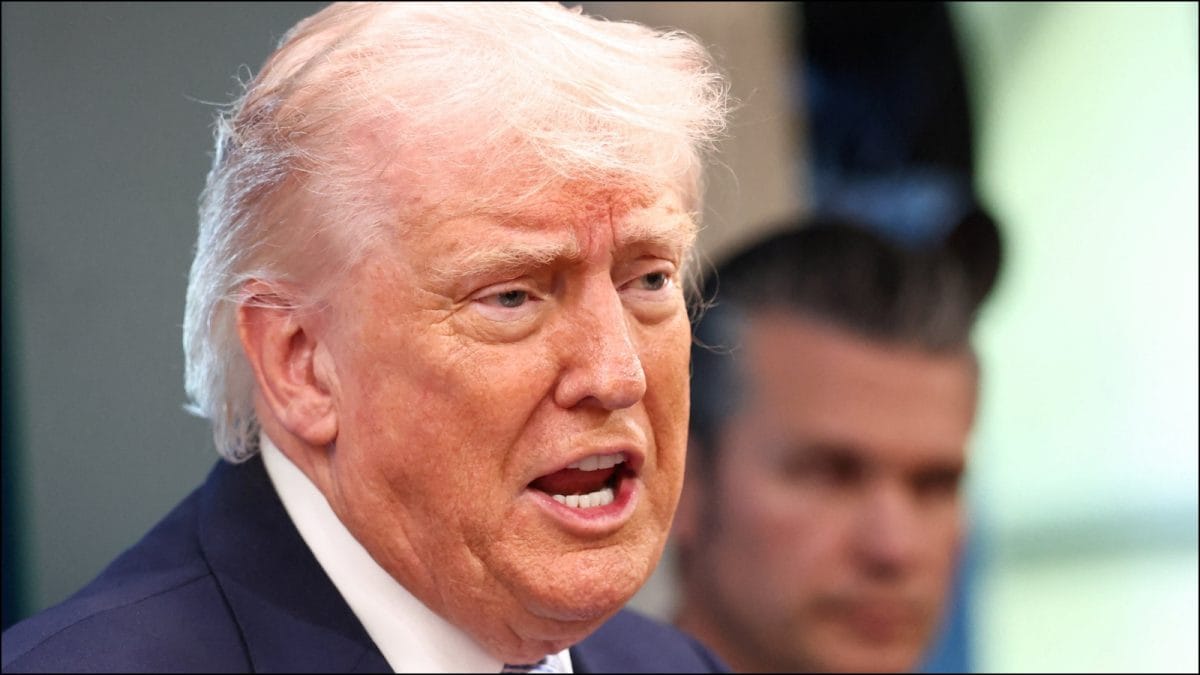
During a press conference held in the White House, Donald Trump advanced a novel economic lever: the United States should begin charging vessels that transit the Strait of Hormuz. Donald Trump framed the idea as a pragmatic alternative to allowing Iran to reap the benefits of a strategic chokepoint that the United States helped secure through military superiority.
Donald Trump asked, "What about us charging tolls? I’d rather do that than let them have it. Why shouldn’t we? We’re the winner. We won. OK? They’re military defeated." The statement positioned the United States as the rightful beneficiary of toll revenues, portraying the proposal as a logical follow‑up to what Donald Trump described as a decisive military victory over Iran.
Iran’s Claim of Control and the IRGC Statement
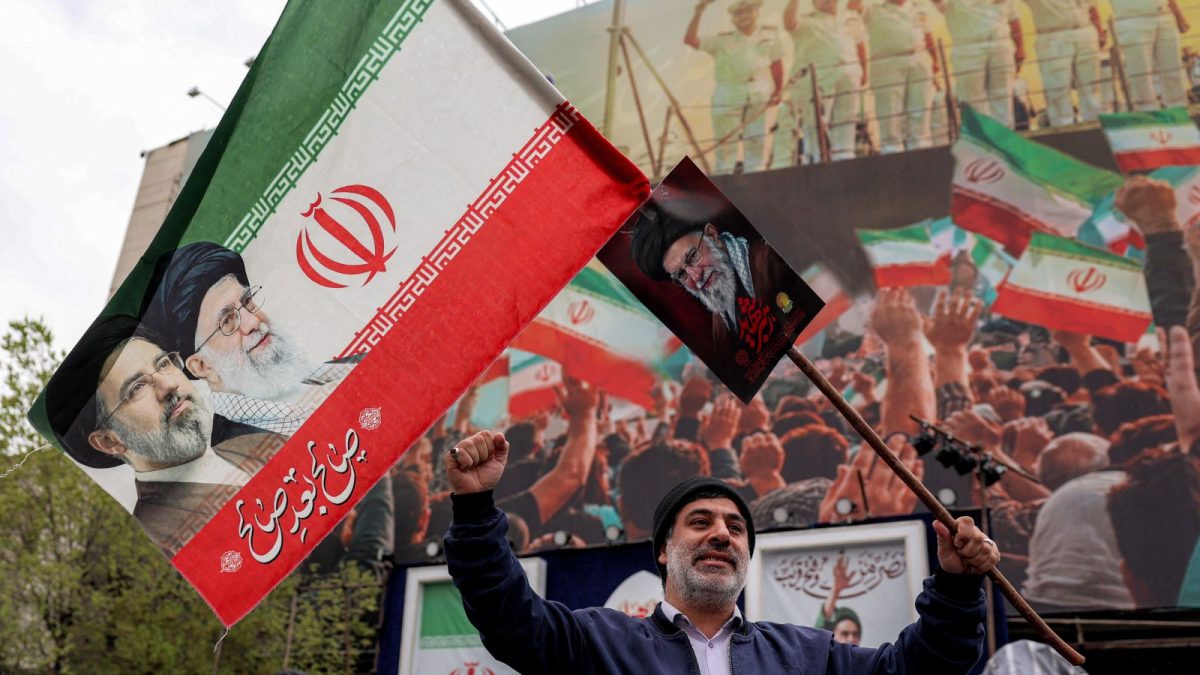
Iran’s Islamic Revolutionary Guard Corps (IRGC) issued a stark rebuttal to the United States’ toll idea. Iran’s Islamic Revolutionary Guard Corps (IRGC) asserted that the Strait of Hormuz remains under Iran’s "full and decisive control," rejecting any notion that the United States could lawfully impose fees on ships passing through the waterway.
Iran’s Islamic Revolutionary Guard Corps (IRGC) also dismissed preliminary discussions raised by Donald Trump regarding the reopening of the Strait of Hormuz. The organization emphasized that any concession on the part of Iran would require a broader settlement that addressed a range of regional concerns, not merely an economic arrangement.
Parliamentary Management Plan Outlined by Iran
According to reports from Iranian state media, Iran’s Parliament has ratified a management plan that envisions a toll system for vessels navigating the Strait of Hormuz. The plan also calls for selective restrictions targeting certain nationalities, thereby granting Iran a deGree of leverage over maritime traffic that the United States seeks to undermine.
Iran’s Parliament’s proposal spells out a structured fee schedule, but the details of the schedule have not been publicly disclosed. The legislation reflects a strategic calculus within Iran aimed at converting the Strait of Hormuz from a purely military asset into a revenue‑generating conduit, even as the broader conflict continues.
Reopening the Strait of Hormuz as a Negotiation Lever
Donald Trump insisted that any peace framework designed to end the US‑Israeli conflict on Iran must incorporate a clause guaranteeing unrestricted passage through the Strait of Hormuz. Donald Trump declared, "We have to have a deal that’s acceptable to me, and part of that deal is going to be we want free traffic of oil and everything."
Between the toll proposal and the demand for unrestricted navigation, Donald Trump positioned the reopening of the Strait of Hormuz as a central component of any diplomatic resolution, intertwining commercial interests with strategic objectives.
Military Threats and Demolition Claims
Donald Trump outlined a stark hypothetical scenario in which the United States could unleash overwhelming force against Iran’s critical infrastructure. Donald Trump warned that, if necessary, every bridge in Iran could be destroyed by midnight the following day, and every power plant in Iran could be rendered inoperable within a four‑hour window.
The description of complete demolition was presented as a deterrent, underscoring the United States’ capability to inflict rapid and extensive damage should Iran choose to resist the toll arrangement or maintain a blockade of the Strait of Hormuz.
Iranian Counter‑Proposals and Conditions
In response to United States‑led overtures, Iran submitted a list of ten conditions that must be satisfied before any aGreement on the Strait of Hormuz can move forward. The conditions include an end to ongoing hostilities across the region, the establishment of a clear protocol guaranteeing safe passage for civilian vessels, the removal of economic sanctions, and a comprehensive reconstruction package for damaged Iranian infrastructure.
These stipulations, as reported by Iranian state media, illustrate Iran’s insistence on a broader political settlement that addresses security concerns, economic relief, and post‑conflict rebuilding, rather than a narrow focus on tolls or navigation rights.
Broader Implications for Global Energy Markets
The debate over tolls and the control of the Strait of Hormuz reverberates far beyond the immediate actors. With the waterway responsible for a considerable share of the globe’s petroleum movement, any shift in governance—whether through United States‑imposed levies or Iranian toll structures—has the potential to reshape shipping routes, alter price dynamics, and trigger strategic realignments among energy‑dependent nations.
Stakeholders across the world are closely monitoring how the United States and Iran each intend to leverage the Strait of Hormuz. The prospect of United States‑collected tolls could serve as a revenue stream for the United States while simultaneously signaling a permanent re‑assertion of military dominance in the region. Conversely, Iran’s toll plan combined with selective access restrictions may be viewed as an effort to retain sovereignty over the strategic chokepoint and to extract economic benefits despite the ongoing conflict.
Conclusion: A Standoff Over Maritime Revenue and Sovereignty
At its core, the disaGreement surrounding the Strait of Hormuz reflects two competing narratives. Donald Trump emphasizes the United States’ victorious military posture and argues for a toll system that would reward that success while restoring free flow of commerce. Iran, reinforced by statements from Iran’s Islamic Revolutionary Guard Corps (IRGC) and legislative action by Iran’s Parliament, insists on retaining full control, imposing its own toll regime, and demanding a comprehensive settlement that addresses broader geopolitical grievances.
The outcome of this standoff will determine not only the future of maritime traffic through the Strait of Hormuz but also the economic and strategic balance of power in a region already fraught with tension. As negotiations continue, the world watches to see whether tolls will become a new instrument of policy or whether the waterway will remain a contested prize in the larger US‑Israeli conflict on Iran.