What the email said and why it matters
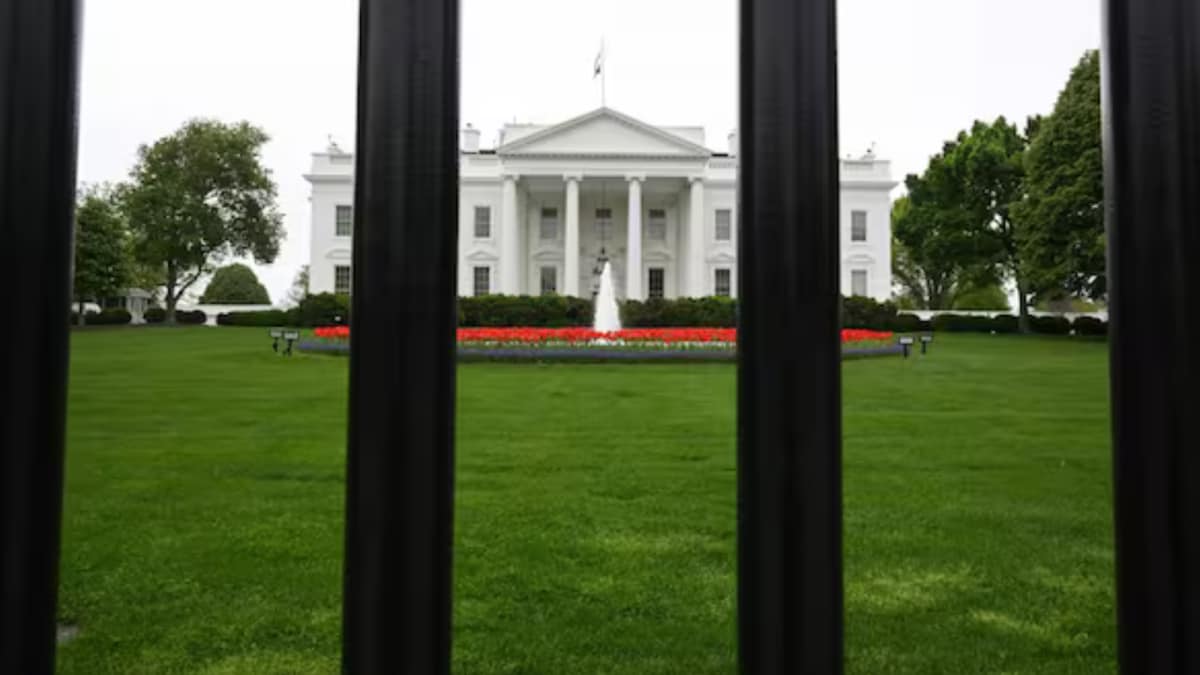
So, the White House sent out an email on the 24th of March telling everyone inside the building that they should not use any confidential info they might have for buying or selling in the stock market, or even placing bets on those new‑age prediction‑market websites. The tone of the mail was pretty straightforward – it basically said, "Don’t do it, it’s illegal and it hurts the public," and that was a direct response to a series of trades that seemed to be made just before a big political move by President Donald Trump.
For me, reading that email felt a bit like when my brother, who works in a bank, forwards a company memo about a new compliance rule. You know the rule is there, but suddenly you start paying attention because the consequences could be personal. The White House email was the same – a reminder that even top‑level officials have to play by the same rule book as everybody else.
Background: President Donald Trump’s pause on the Iran threat
Just a day before the email went out, President Donald Trump posted on his social‑media platform that he was putting a five‑day hold on his earlier threat to hit Iranian power plants. He said he had "productive conversations" with Tehran. That message was short, but it sent ripples across the world markets. In India, people watching the NIFTY and the Sensex could see the numbers twitch, and traders in my hometown of Pune were already chatting about whether they should buy crude futures before the news broke.
What’s interesting is that the markets moved before President Donald Trump actually posted his statement. According to the Wall Street Journal, futures for oil and huge chunks of equity markets changed hands roughly fifteen minutes before the official pause was announced. That tiny time window made a lot of people wonder: who knew what and when?
The market reaction that raised eyebrows
Imagine you’re at a tea stall in Delhi, and a friend whispers that the price of gold is about to jump. You decide to buy a few grams right then. Fifteen minutes later, the news that could affect gold prices actually comes out, and your friend’s tip seems spot‑on. That’s basically what happened with oil futures and the stock market – a bunch of trades were made just before the official word from President Donald Trump.
In the United States, those trades involve billions of dollars, and the Wall Street Journal highlighted how the timing was too perfect to be a coincidence. In India, similar patterns have been seen on our own exchanges. A few weeks back, a surprise RBI rate decision was rumored in a private chat among brokers, and the NSE equity index moved a few points before the official press release. The parallel is clear – when privileged information leaks, even a few minutes can translate into massive gains.
Why the White House felt the need to intervene
The White House’s statement, as quoted by the Wall Street Journal, was blunt: "President Donald Trump has been crystal clear: while he seeks a strong and profitable stock market for everyone, members of Congress and other government officials should be prohibited from using nonpublic information for financial benefit." It went on to say that the only special interest guiding President Donald Trump is the American people.
From a personal standpoint, this felt like the kind of rule you hear about at school – "no cheating on exams" – but now it’s being enforced at the highest level of government. The White House wants to make sure that nobody thinks they can get a free ride on insider tips just because they sit close to the decision‑makers.
Insider trading – a concept we also see back home
In India, the Securities and Exchange Board of India (SEBI) has been cracking down on insider trading for years. I remember a case where a senior executive of a telecom company shared upcoming merger details with a friend, who then bought shares and made a tidy profit. That story made the rounds on business news channels, and the executive faced a hefty fine.
How everyday Indians might feel the ripple
Even if you’re not a trader on Wall Street, the idea of insider trading can hit close to home. My cousin works as a software engineer in Bangalore and follows the stock market for a side income. He always says, "If the government is playing games, the market will feel the tremor." When big news like a US‑Iran standoff comes out, Indian investors watch the NIFTY move, because oil prices affect diesel cost, which in turn impacts transport and logistics.
And then there are the betting platforms that have become popular among the younger crowd – people betting on everything from cricket scores to political events. The same logic applies: if someone gets advanced information about a political decision, they could place a winning bet before anyone else even hears about it. That’s why the White House’s admonition also mentions “fast‑growing betting platforms”. It’s not just about Wall Street; it’s about any place where money can be made from a tip.
Practical observations – the human side of the story
Honestly, while reading through the Wall Street Journal report, I kept thinking about the little things that happen in our daily lives. Like when a colleague mentions a new product launch at a multinational before it’s officially announced, and then you hear the stock jump the next day. Those moments make you wonder: is it a lucky guess or a leak?
In most cases, the answer is probably a mix of both, but the White House wants to draw a line. It’s like when a school teacher says, "Don’t copy your neighbour’s homework," even if you think you might just glance at it. The rule is there to keep the playing field fair.
What this means for White House staff and for everyone else
The email sent by the White House makes it clear that any staff member who thinks about using privileged chatter to make a quick buck will be stepping over a legal line. The warning also serves as a reminder to the broader public that insider information, whether about oil prices, stock moves, or even political bets, is not a free ticket to profit.
For ordinary people in India, the lesson is straightforward: if you hear a rumor about a big policy move – say, a change in GST rates or a new stimulus package – treat it as just that, a rumor, until it’s officially out. Acting on it early can land you in legal trouble, especially if the regulator decides to investigate.
Final thoughts – keeping the market level
At the end of the day, the White House’s warning is about trust. Trust that the markets work for everyone, not just for those sitting close to the decision‑makers. It’s the same trust we need on our own stock exchanges in India. When President Donald Trump called off a potential strike, markets reacted, and so did bettors on prediction platforms. The timing was too perfect, which is why the White House stepped in.
From my side of the screen, I hope this whole episode makes people think twice before acting on any hint of insider knowledge. Whether you’re a Wall Street trader, a Delhi‑based investor, or a Chennai youngster placing a bet on a political outcome, the rule stays the same: don’t exploit nonpublic information for personal gain. It’s not just about legality; it’s about keeping the game fair for everybody.