Global Leaders Rally Behind US‑Iran Truce and Hormuz Reopening
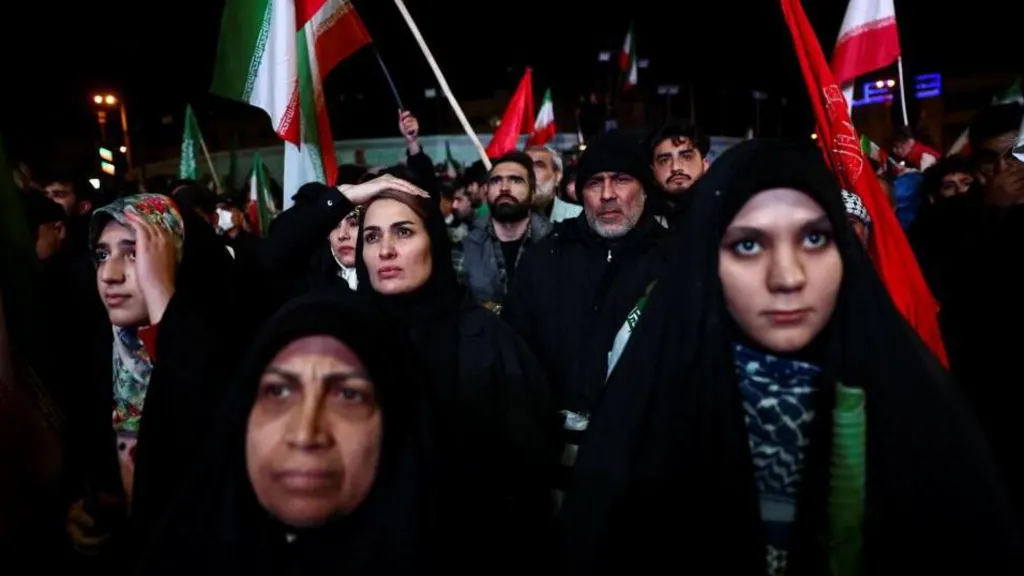
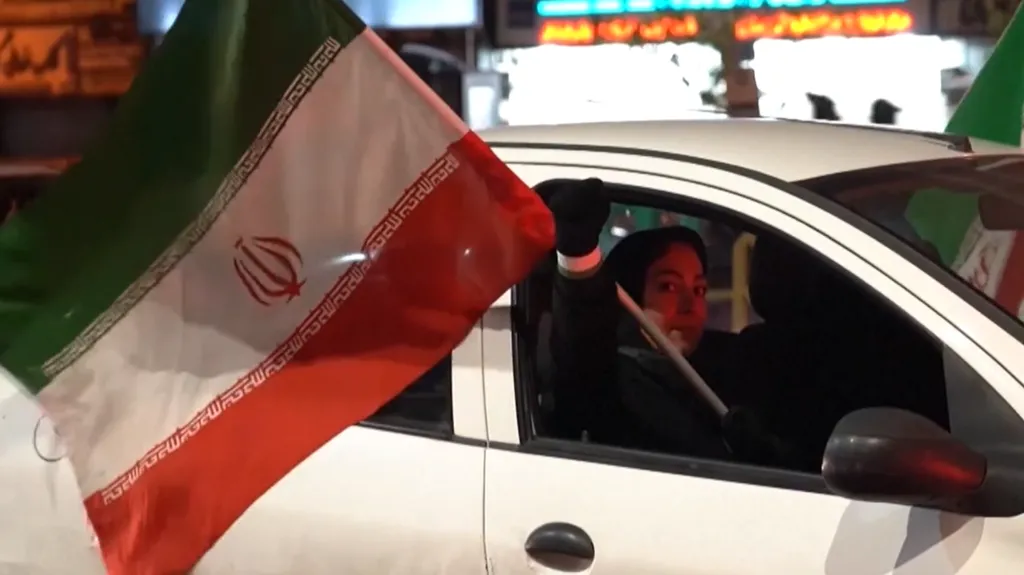
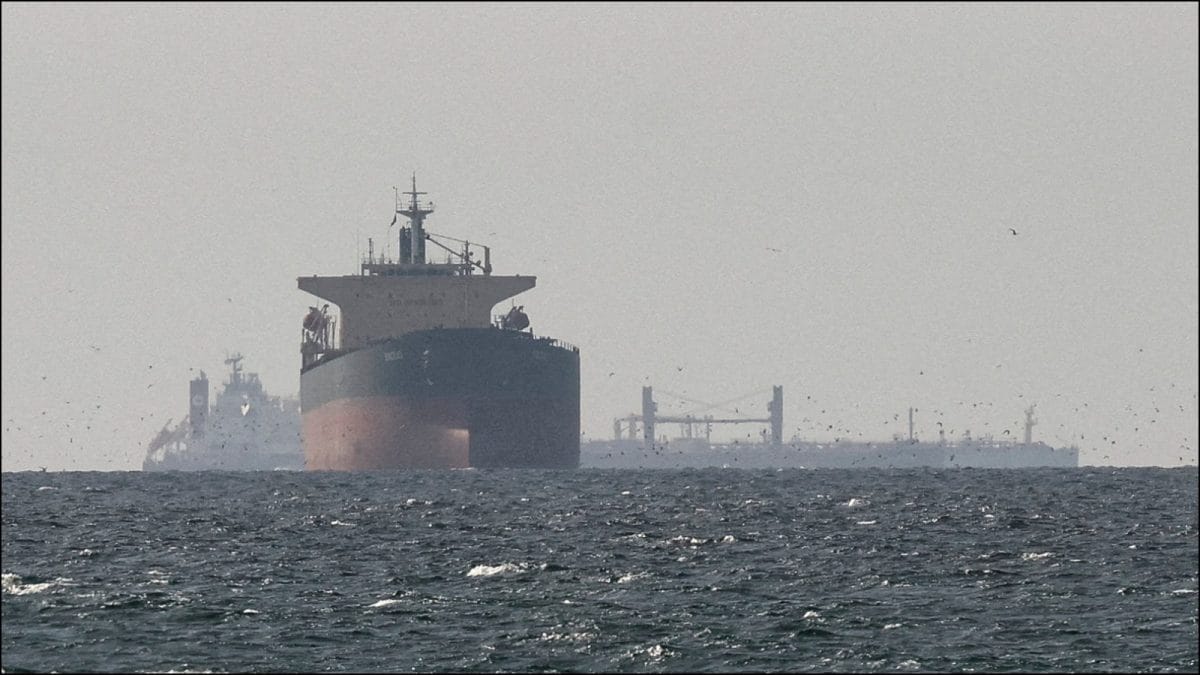
The announcement of a two‑week cease‑fire between the United States and Iran has been met with enthusiastic approval from a broad spectrum of world leaders. The aGreement includes the reopening of the strategically critical Strait of Hormuz, a waterway through which the majority of global oil shipments flow.
Broad Regional Backing from Gulf Nations
Saudi Arabia, the United Arab Emirates, Qatar and Oman have each issued statements confirming their support for the conditional truce. Saudi Arabia emphasized that the cease‑fire should serve as a springboard toward a comprehensive and sustainable de‑escalation that enhances regional security. The United Arab Emirates described the outcome as a victorious emergence from a conflict it had sincerely sought to avoid. Qatar highlighted the importance of full adherence to the cease‑fire terms, while Oman offered its backing and urged intensified diplomatic efforts to resolve the underlying crisis.
Pakistan’s Mediation Role and Endorsements
Pakistan, which played a pivotal mediation role throughout the negotiations, welcomed the cease‑fire and praised the constructive engagement of the parties involved. Prime Minister Shehbaz Sharif and Field Marshal Asim Munir, head of Pakistan’s armed forces, were specifically thanked by Seyed Abbas Araghchi, Iran’s Foreign Minister, for their tireless efforts to end the hostilities in the region. Prime Minister Shehbaz Sharif further remarked that both parties displayed remarkable wisdom and understanding, and extended an invitation to delegations for additional talks in Islamabad.
Support from Western Powers and Russia
The United Kingdom and Russia have each expressed support for the cease‑fire. The United Kingdom’s Foreign Office indicated readiness to work with partners to sustain the truce and ensure the swift reopening of the Strait of Hormuz. Dmitry Medvedev, Deputy Chair of Russia’s Security Council, cautioned that while common sense had prevailed in reaching the aGreement, the market dynamics would continue to reflect the reality that there would be no “cheap oil.”
Statements from United States and Iran
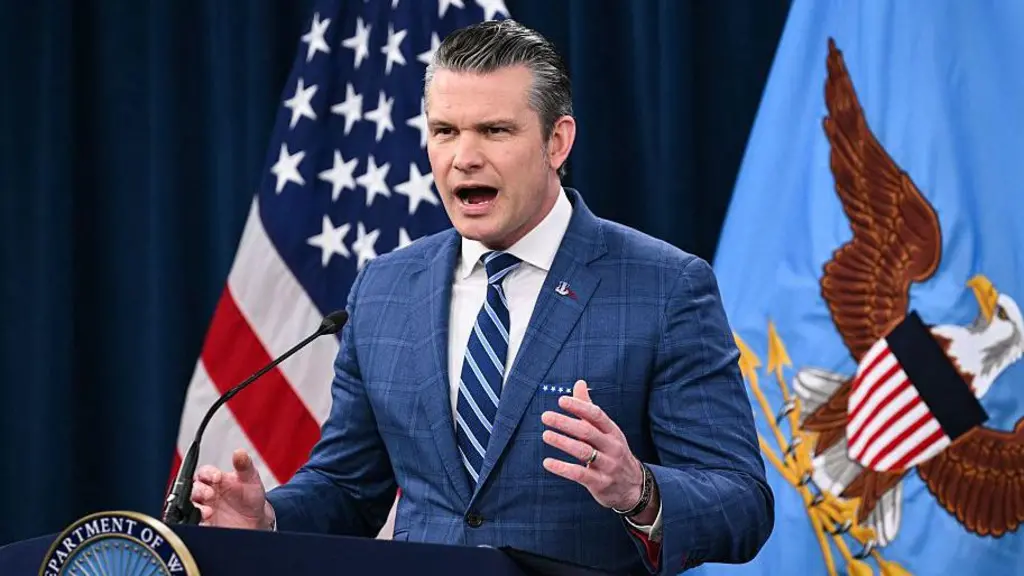
President Donald Trump declared a willingness to suspend bombing operations on the condition that Iran reopens the vital Hormuz shipping route. President Donald Trump also asserted that the United States had achieved a total and complete victory. In parallel, Seyed Abbas Araghchi stated that the cease‑fire would be formalized if attacks were halted, emphasizing Iran’s condition for a cessation of hostile actions.
Israel’s Position
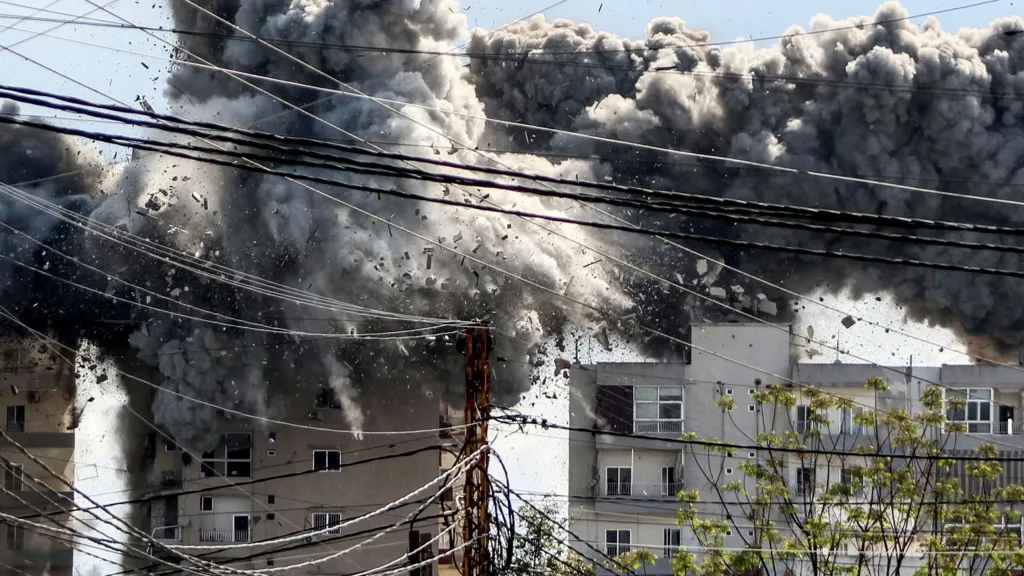
Israel expressed support for the cease‑fire but clarified that the aGreement does not encompass Lebanon. Israel continued air strikes in the Tyre and Nabatieh areas, reinforcing its stance that the current terms of the truce do not extend to Lebanese territory.
European Union and Individual European Leaders
EU President Ursula von der Leyen welcomed the cease‑fire, describing it as a much‑needed de‑escalation and urging continued negotiations toward an enduring solution. German Chancellor Friedrich Merz thanked Pakistan for its mediation and called for rapid progress toward a lasting peace settlement. Spain’s Prime Minister Pedro Sánchez, while acknowledging the immediate relief provided by the cease‑fire, warned that the temporary pause must not distract from the broader devastation caused by the conflict, emphasizing the need for a comprehensive peace.
Responses from Asian Nations Dependent on Hormuz Transit
Japan’s government spokesperson Minoru Kihara stressed the importance of concrete steps to de‑escalate the situation and ensure safe navigation through the Strait of Hormuz, noting that up to seventy percent of Japan’s oil imports travel via this waterway. Indonesia’s foreign ministry called for respect for sovereignty, territorial integrity and diplomatic engagement by all parties. South Korea’s Ministry of Foreign Affairs expressed hope that free and safe navigation for South Korean vessels and others would be swiftly restored.
United Nations’ Call for Implementation
UN Secretary‑General António Guterres welcomed the cease‑fire and urged all parties to honor the terms, emphasizing that adherence would pave the way toward a lasting and comprehensive peace in the region.
Economic Ripple Effects
Following the announcement of the cease‑fire, global oil prices fell sharply, with Brent crude dipping below one hundred dollars per barrel for the first time in weeks. Stock markets responded positively, reflecting investor optimism about reduced geopolitical risk. The reduction in oil prices is expected to deliver significant economic relief, particularly for Asian economies that rely heavily on Hormuz‑transited supplies.
Statements from Oceania
Australian Prime Minister Anthony Albanese described the cease‑fire as a positive development, reaffirming Australia’s long‑standing call for de‑escalation. New Zealand’s foreign minister Winston Peters called the news encouraging but warned that substantial work remains to secure a durable cease‑fire in the coming days.
Further Diplomatic Initiatives
British Opposition Leader Sir Keir Starmer announced plans to travel to Gulf countries to discuss diplomatic efforts aimed at supporting and sustaining the cease‑fire. Sir Keir Starmer emphasized the need to turn the temporary pause into a lasting aGreement and to ensure the swift reopening of the Strait of Hormuz.
Calls from Ukraine and Further International Perspectives
Ukraine urged the United States to refocus attention on the war in Ukraine after the cease‑fire with Iran. Ukrainian President Volodymyr Zelenskyy reiterated Kyiv’s appeal for a cease‑fire with Russia and highlighted that Ukrainian expert military teams would continue to operate in the region to help develop security capabilities.