Tehran Streets Flood with Supporters as US‑Iran Conditional Ceasefire Takes Hold
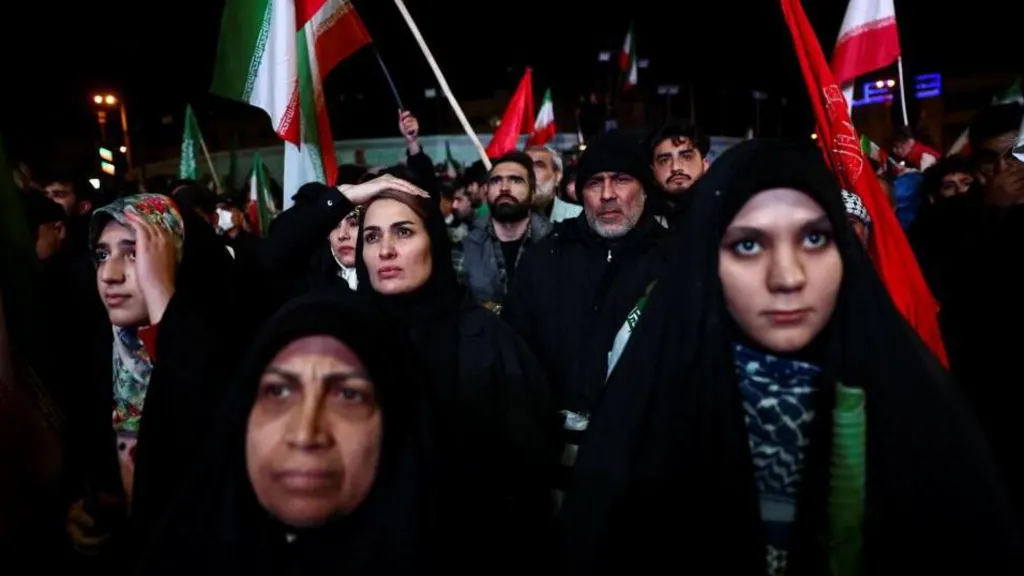
Pro‑government demonstrators poured onto the avenues of Tehran following the announcement of a two‑week conditional ceasefire between Iran and the US. The gathering highlighted a surge of public enthusiasm after diplomatic talks led to a pause in hostilities and a pledge to keep the vital shipping lane through the Strait of Hormuz open.
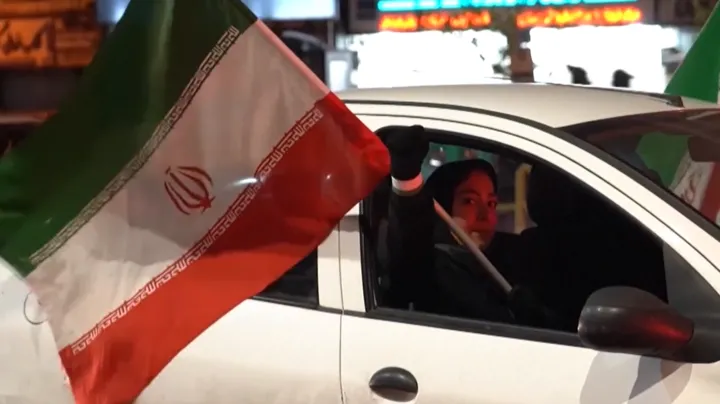
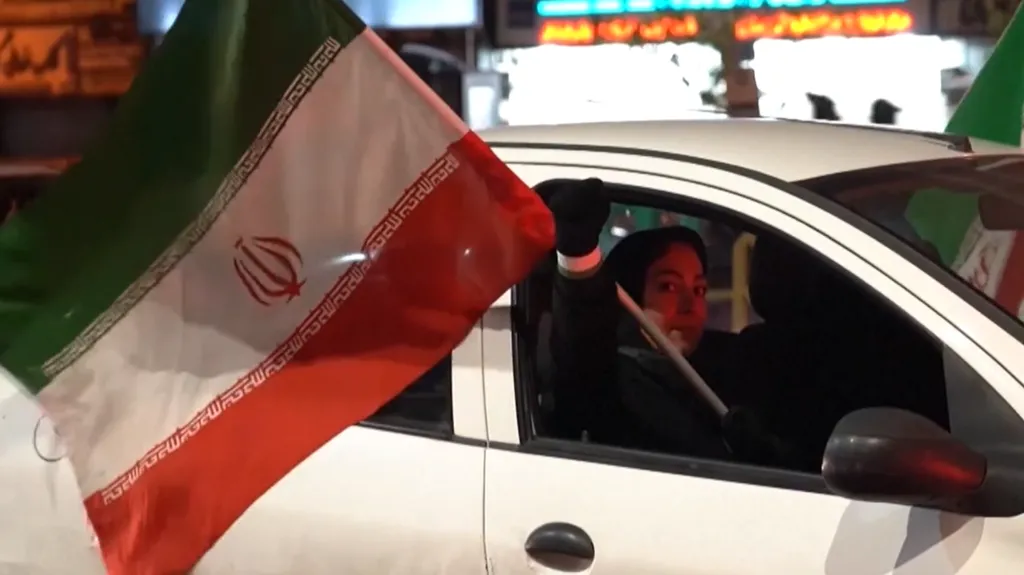
The atmosphere in Tehran was electric as crowds swarmed public squares, waving national flags and chanting slogans that echoed through the city’s streets. Participants in the rally expressed their support for the newly declared pause in hostilities, holding up banners that called for peace and stability across the region.
While the gathering took place, the streets were lined with a mixture of long‑time supporters of the Iranian administration and ordinary citizens who had been closely following the unfolding diplomatic developments. The visible enthusiasm underscored a collective yearning for an end to escalating tensions that had reverberated through the Gulf for weeks.
Key Elements of the Conditional Ceasefire
The ceasefire aGreement rests upon a set of clearly defined conditions that both Iran and the US have committed to uphold. Central to the accord is the decision by Iran to permit the safe passage of commercial vessels through the strategic Strait of Hormuz, a critical maritime chokepoint that channels a significant portion of the world’s oil shipments.
In return, the US pledged to halt the series of attacks that it had been conducting against Iranian targets. The reciprocal nature of the aGreement places responsibility squarely on both sides to maintain the delicate balance that prevents a renewal of hostilities.
According to the terms, the ceasefire is slated to last for a period of two weeks, providing a finite window during which diplomatic channels can be further explored and additional confidence‑building measures may be introduced.
Background: Build‑up to the Ceasefire
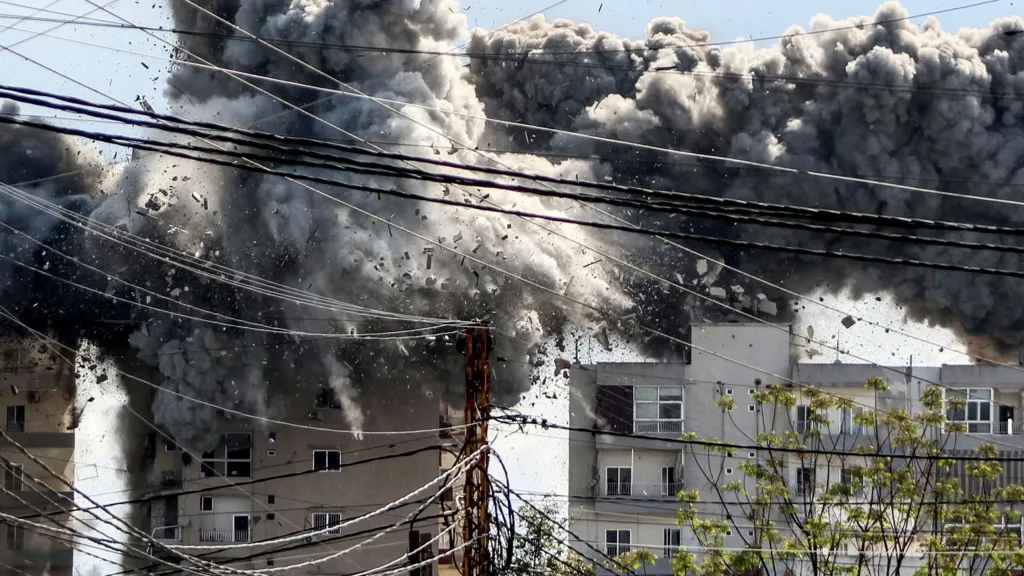
The current truce follows a chain of events that began more than a month ago, when Israel and the US launched a coordinated series of attacks against Iranian interests. Those strikes prompted Iran to respond with a series of missile and drone attacks directed at locations throughout the Gulf region.
The escalation created a volatile environment, raising concerns among regional actors and the international community about the potential for a broader conflict. Throughout that period, commercial shipping faced heightened risk, and diplomatic efforts intensified behind the scenes in an attempt to avert further bloodshed.
Amid the rising tension, diplomatic intermediaries worked to bridge gaps between the opposing parties. Their efforts laid the groundwork for a negotiated pause that would address immediate security concerns while leaving room for longer‑term dialogue.
The Role of Pakistan's Prime Minister Shehbaz Sharif
Facilitating the ceasefire dialogue was Pakistan's Prime Minister Shehbaz Sharif, who took on a mediating role that proved pivotal to the outcome. Prime Minister Shehbaz Sharif’s involvement was marked by a series of intensive discussions with representatives from both Iran and the US, aiming to forge common ground and secure a mutually acceptable arrangement.
Prime Minister Shehbaz Sharif publicly announced that the ceasefire would become effective immediately upon declaration, underscoring the urgency and seriousness with which the parties approached the settlement. The swift implementation signaled a shared commitment to de‑escalate the situation without further delay.
The mediation effort demonstrated the capacity of regional leaders to influence high‑stakes diplomatic processes, offering a glimpse of how constructive engagement can yield tangible results even amid heightened tensions.
Public Reaction and Symbolic Significance
The mass mobilisation in Tehran served as a visual affirmation of public sentiment favoring the cessation of hostilities. Flags bearing national colours fluttered alongside placards that called for peace, illustrating a common desire among citizens to restore normalcy to daily life.
Beyond the immediate celebration, the rally also carried symbolic weight. By gathering en masse, demonstrators projected a narrative of unity and resilience, signalling to both domestic and international audiences that Iran remains steadfast in its pursuit of sovereign interests while remaining open to diplomatic pathways.
Analysts observed that the public display of support could strengthen the negotiating position of Iran in any subsequent talks, as it highlights a broad base of backing for the leadership’s approach to the crisis.
Implications for Maritime Traffic in the Strait of Hormuz
The aGreement to keep the Strait of Hormuz open for safe navigation holds considerable importance for global commerce. The waterway funnels a substantial share of the world’s petroleum supplies, and any disruption can ripple through energy markets worldwide.
By pledging to allow safe passage, Iran signalled a willingness to protect the flow of maritime traffic, provided that the US adheres to the condition of halting its attacks. This conditional openness creates a framework within which shipping companies may consider resuming routes that were previously avoided due to security concerns.
While the ceasefire is limited to a two‑week timeframe, its successful implementation could lay the foundation for longer‑term arrangements that ensure the uninterrupted operation of this critical maritime corridor.
Future Outlook and Potential Next Steps
Looking ahead, the two‑week conditional ceasefire offers a narrow window for both Iran and the US to assess the effectiveness of the arrangement and to explore avenues for extending the lull in fighting. The immediate priority for both parties will be to monitor compliance with the stipulated conditions and to address any incidents that may arise.
Continued diplomatic engagement, possibly mediated by regional actors such as Pakistan's Prime Minister Shehbaz Sharif, could pave the way for a more durable cessation of hostilities. The success of the current ceasefire may also encourage broader discussions that address underlying grievances and regional security concerns.
In the absence of renewed aggression, the hopeful scenario envisions a gradual return to normal diplomatic channels, renewed economic activity in affected maritime routes, and a reduction in the risk of further escalation across the Gulf.