Union Cabinet sanctions a portfolio of projects amounting to Rs 1.74 lakh crore, spanning energy, infrastructure and urban mobility, in a decisive push to broaden industrial capacity and fuel economic expansion.
Strategic Overview of the Rs 1.74 Lakh‑Crore Package
The Union Cabinet, after detailed deliberations, endorsed a collection of initiatives whose combined investment reaches Rs 1.74 lakh crore. The portfolio integrates critical sectors such as oil refining, renewable power generation, metropolitan transit, and agricultural inputs. By endorsing these projects, the Union Cabinet signals an overarching intent to fortify the nation’s manufacturing base, reinforce energy independence, and stimulate regional development across both urban and rural landscapes.
Each component of the approved package has been selected to address a specific structural need. The refinery approval expands downstream processing capacity, the hydro‑electric projects enhance clean‑energy generation, the metro extension improves intra‑city connectivity, and the fertiliser subsidy addresses agricultural cost pressures. Collectively, these measures are expected to generate substantial employment opportunities, attract private investment, and lay the groundwork for sustained growth.
HPCL Rajasthan Refinery Project: Scale and Significance
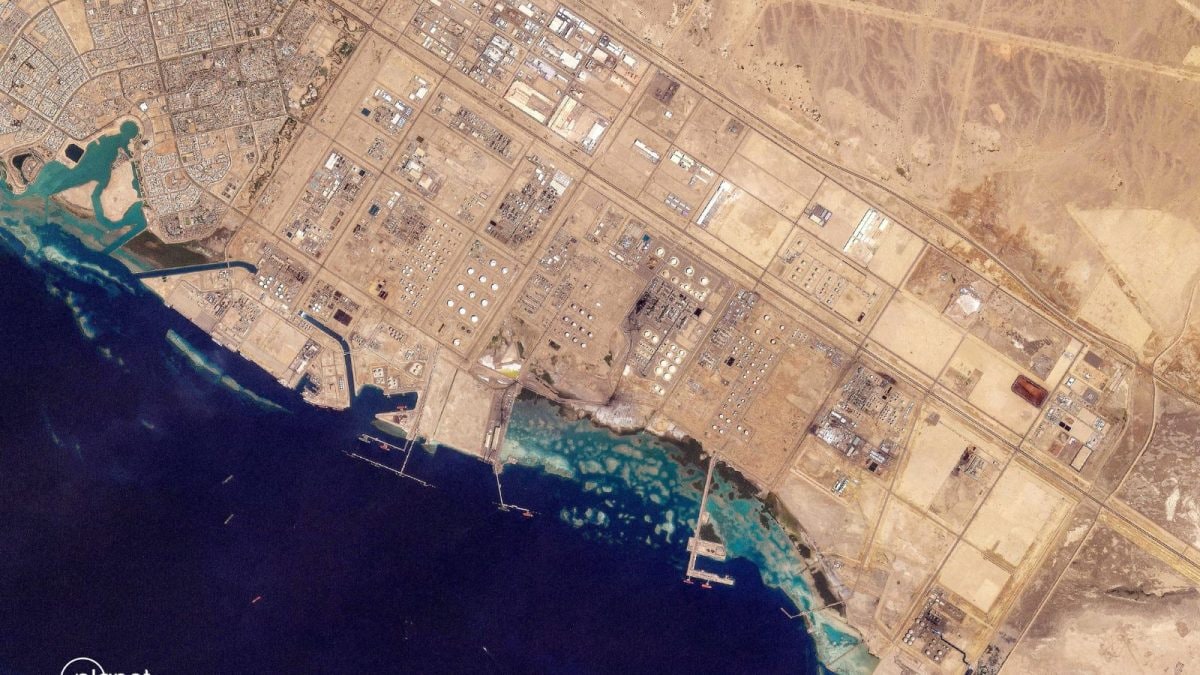
Hindustan Petroleum Corporation Limited (HPCL) received explicit clearance for a massive refinery undertaking situated in Pachpadra, Balotra district, Rajasthan. The project carries an estimated capital outlay of Rs 79,459 crore and is designed to augment national refining capacity by an additional 9 million metric tonnes per annum (MMTPA). The approval also includes authorization for HPCL to inject equity amounting to Rs 19,600 crore, thereby ensuring the financial robustness of the endeavour.
Construction of the HPCL Rajasthan refinery has reached completion, and the cabinet’s endorsement paves the way for the commencement of commercial operations in the upcoming months. Once operational, the refinery will not only process crude oil but also produce a suite of high‑value petroleum products, thereby strengthening the downstream sector and reducing import dependence. The strategic location of the plant in Rajasthan positions it as a pivotal hub for the distribution of refined fuels across northern and western regions.
The HPCL Rajasthan refinery is projected to create a multitude of direct and indirect jobs, ranging from engineering and technical roles within the plant to ancillary services such as logistics, maintenance, and retail distribution. Moreover, the scale of the investment underscores the confidence of the Union Cabinet in the long‑term viability of the petrochemical industry and its capacity to contribute significantly to the nation’s trade balance.
Hydro‑Electric Power Expansion: Kamala and Kalai‑II Projects
The cabinet gave the Green light to two flagship hydro‑electric schemes that together contribute 2,920 MW of renewable generation capacity. The Kamala Hydro Electric Project, slated for a capacity of 1,720 MW, and the Kalai‑II Hydro Electric Project, slated for 1,200 MW, together represent an investment of roughly Rs 40,000 crore. These projects are poised to bolster the nation’s renewable energy mix, mitigate reliance on fossil fuels, and enhance grid stability.
Both hydro‑electric ventures will be developed in ecologically sensitive zones, adhering to stringent environmental safeguards approved by the relevant authorities. The Kamala project, located in a region characterized by robust river flow, will harness natural water resources to generate clean electricity, while the Kalai‑II project will exploit similar hydrological advantages to deliver reliable power to nearby industrial and residential consumers.
The infusion of nearly Rs 40,000 crore into these hydro‑electric projects also signals a broader policy thrust toward clean energy transition. By expanding hydro‑electric capacity, the Union Cabinet aims to meet growing electricity demand, support the nation’s climate commitments, and provide a stable supply of renewable power to spur industrial activity in adjacent areas.
Urban Mobility Boost: Phase 2 of Jaipur Metro
The Union Cabinet approved the second phase of the Jaipur Metro project, allocating Rs 13,038 crore for its execution. This phase represents an extension of the existing metro network, intended to connect additional city zones, alleviate traffic congestion, and promote a shift toward public transport usage among urban commuters.
Phase 2 is designed to integrate seamlessly with the existing transit infrastructure, offering increased frequency, expanded coverage, and modern amenities that align with global best practices in urban rail systems. The investment will fund civil works, rolling stock procurement, signaling upgrades, and ancillary facilities such as stations and ticketing systems.
Beyond improving commuter experience, the Jaipur Metro Phase 2 initiative is expected to catalyze economic activity along its corridor, stimulate real‑estate development, and attract commercial enterprises seeking improved accessibility. The Union Cabinet’s endorsement reflects a commitment to sustainable urban development and the reduction of vehicular emissions in the city.
Crude Pipeline Completion and Downstream Capacity Enhancement
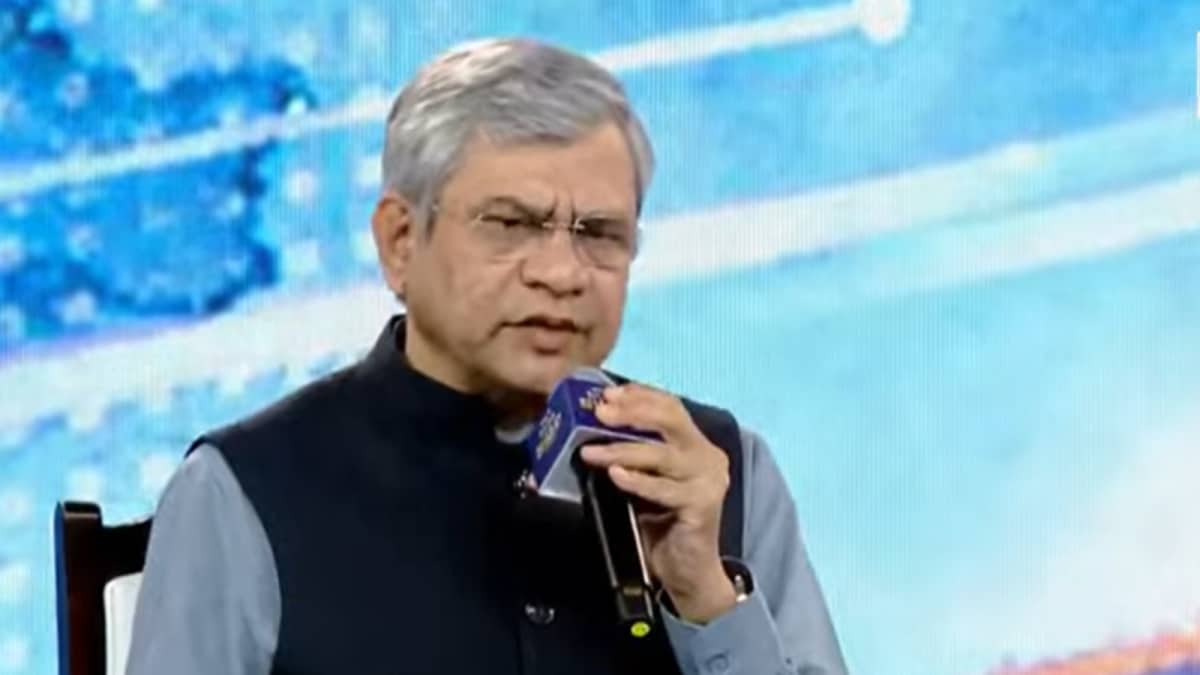
Union Minister Ashwini Vaishnaw announced the successful completion and commissioning of a crude oil pipeline extending from Mundra. This pipeline will facilitate the efficient transport of crude to refining complexes, thereby enhancing the output of key petroleum and petrochemical products, including Motor Spirit (MS), High‑Speed Diesel (HSD), polypropylene, linear low‑density polyethylene (LLDPE), high‑density polyethylene (HDPE), benzene, butadiene, sulphur and liquefied petroleum gas (LPG).
The newly operational pipeline is coupled with the establishment of a world‑scale polypropylene manufacturing facility, which will operate alongside India’s largest polyethylene plant. These downstream capacities are anticipated to deepen the nation’s industrial base, enable value‑added product streams, and reduce dependence on imports of finished petrochemical goods.
By linking crude supply directly to refining and petrochemical hubs, the pipeline minimizes logistical bottlenecks, curtails transportation costs, and enhances the overall efficiency of the oil value chain. Union Minister Ashwini Vaishnaw highlighted that the integrated approach to refining and petrochemical production will provide a robust platform for future expansions and technology upgrades.
Fertiliser Subsidy Surge for Kharif Season
The Union Cabinet sanctioned a substantial increase in the subsidy outlay for phosphatic and potassic (P&K) fertilisers, setting the allocation at Rs 41,533.81 crore for the upcoming Kharif season under the Nutrient Based Subsidy (NBS) scheme. This figure surpasses the previous allocation of Rs 37,216.15 crore, reflecting heightened global fertiliser price pressures.
The elevated subsidy is intended to alleviate the financial burden on farmers, ensure the availability of essential nutrients for crop production, and sustain agricultural output. By earmarking additional resources, the Union Cabinet aims to mitigate the impact of volatile international markets on domestic farming communities.
Union Minister Ashwini Vaishnaw emphasized that geopolitical developments have significantly influenced the decision to raise the subsidy. Disruptions in supply chains for critical inputs such as potash and sulphur, which are sourced from West Asia, have been factored into the revised allocation, ensuring that the agricultural sector remains resilient amidst external shocks.
Strategic Rationale Behind the Comprehensive Package
The Union Cabinet’s approval of a Rs 1.74 lakh crore development package is anchored in a strategic vision to expand industrial capacity, secure energy independence, and foster inclusive growth. By targeting multiple sectors simultaneously, the cabinet seeks to generate synergistic benefits that amplify the impact of each individual project.
Energy security features prominently in the package, with the HPCL Rajasthan refinery, hydro‑electric projects, and the Mundra pipeline collectively enhancing the nation’s ability to process crude domestically, generate renewable power, and streamline fuel logistics. Urban mobility improvements through the Jaipur Metro Phase 2 align with broader objectives of reducing carbon emissions and enhancing livability in rapidly expanding cities.
Agricultural support through the increased fertiliser subsidy underscores a commitment to maintaining food security and safeguarding farmer incomes in the face of international market volatility. The encompassing nature of the package illustrates a holistic approach that balances capital‑intensive infrastructure development with targeted support for key economic pillars.
Anticipated Economic and Social Outcomes
Implementation of the approved projects is projected to inject substantial capital into the economy, generate millions of direct and indirect jobs, and stimulate ancillary industries ranging from construction and engineering to logistics and services. The HPCL Rajasthan refinery alone is expected to create a sizable workforce for both its operational phase and the associated supply chain.
Renewable power additions from the Kamala and Kalai‑II hydro‑electric projects will contribute to a Greener energy mix, reducing Greenhouse gas emissions and supporting the nation’s climate commitments. The expanded metro network in Jaipur will provide commuters with a reliable, low‑cost alternative to road transport, thereby alleviating traffic congestion and improving air quality.
In the agricultural sector, the increased fertiliser subsidy is designed to keep input costs manageable for farmers, encouraging timely sowing and optimal crop nutrition, which in turn is essential for stabilising food prices and ensuring a steady supply of staple grains.