Oman Rejects Iran’s Call for Transit Toll in the Strategic Strait of Hormuz
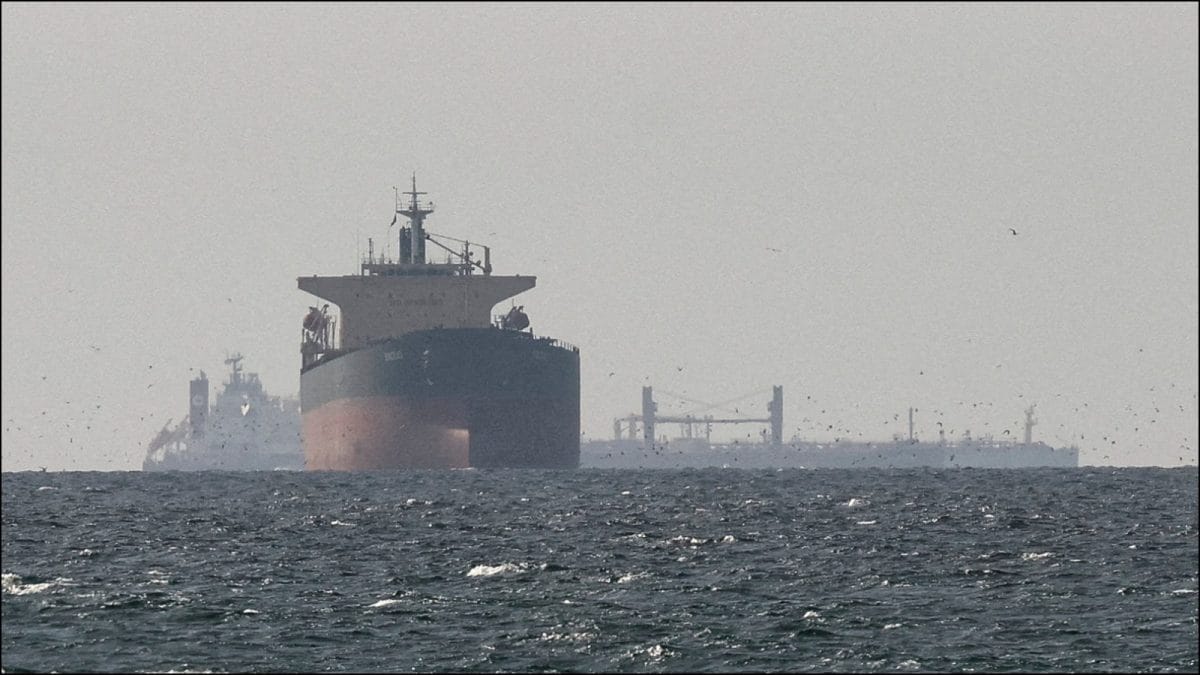
The narrow 34‑kilometre channel that separates Iran and Oman is recognized worldwide as an open international waterway; historically neither side has imposed any fees on ships navigating the passage.
Oman’s Firm Stance on Free Passage
Oman has publicly dismissed Iran’s demand that vessels crossing the Strait of Hormuz be required to pay transit fees. The Omani authorities have articulated a clear position that no charge may be levied for passage through the strait, emphasizing that the waterway must remain free of any fiscal imposition.
In the context of a broader ten‑point cease‑fire proposal put forward by Iran, a clause was included that would allow both Iran and Oman to introduce transit fees for ships navigating the Strait of Hormuz. Oman’s Transport Minister responded to that clause by reaffirming existing aGreements that guarantee vessels will not encounter any charges while transiting the passage.
The Transport Minister of Oman highlighted the nation’s unwavering dedication to maintaining unrestricted and secure navigation through the strategically critical maritime route. By reinforcing these assurances, Oman seeks to preserve the long‑standing principle that the strait functions as an open conduit for international commerce.
International Legal Status of the Strait
The waterway that lies between the coastlines of Iran and Oman spans roughly thirty‑four kilometres in width. International law widely recognises this corridor as an international strait, which carries with it the expectation that vessels of all nations may transit without impediment. Historically, neither Iran nor Oman has introduced a system of tolls or fees for ships using the route, and that practice has become entrenched in customary maritime norms.
Beyond its legal classification, the strait serves as a pivotal gateway to the Persian Gulf. It is the narrowest maritime passage that links the open ocean with the oil‑rich Gulf region, and it handles close to one‑fifth of the global oil trade. The sheer volume of petroleum products and related commodities that flow through the strait underscores its economic importance and the necessity of keeping it free of financial barriers.
Iranian Proposal for Transit Fees
Earlier, Iran outlined a plan to impose transit charges on ships that traverse the Strait of Hormuz. The proposal formed part of Iran’s broader diplomatic effort to conclude its conflict with Israel and the United States. The conflict was sparked by strikes targeting Iranian leadership, after which Iran sought a comprehensive peace settlement that would encompass a formal acknowledgement of its right to levy such fees.
A senior Iranian official speaking to Gree explained that Tehran wishes any durable peace aGreement to explicitly recognise Iran’s entitlement to collect charges from vessels passing through the strait. The official noted that the suggested fees would be calibrated according to a range of variables, including the classification of the vessel, the nature of the cargo it carries, and additional conditions that have not been publicly disclosed.
Iran’s Deputy Foreign Minister Kazem Gharibabdi also addressed the issue, stating that Tehran is collaborating with Oman on a draft protocol. Under that protocol, ships would be required to obtain permits and licences prior to entering the strait. According to Deputy Foreign Minister Kazem Gharibabdi, the intention behind the protocol is to organise maritime traffic more efficiently rather than to create obstacles for commercial navigation.
Oman’s Response to Negotiations
Oman confirmed that talks have taken place with Iran concerning methods to sustain uninterrupted passage through the Strait of Hormuz. While Oman acknowledged the existence of discussions, it did not disclose whether any formal aGreement has been finalised. The Omani side reiterated its commitment to the principle that no vessel should be subject to tolls while crossing the strait.
In addition, Oman’s Transport Minister highlighted that the nation has entered into a series of bilateral arrangements that explicitly prohibit the imposition of fees on transiting ships. Those arrangements are designed to safeguard the free flow of maritime traffic and to protect the economic interests of all shipping parties that rely on the strait for the transport of oil and other goods.
Operational Impact and Recent Activity
Since the onset of hostilities, the Islamic Revolutionary Guard Corps of Iran has limited the number of vessels allowed to navigate the Strait of Hormuz. The armed force implemented restrictions that included the occasional firing upon ships operating within Gulf waters. As a result, only a relatively small number of vessels have successfully completed the transit in recent weeks.
There have been reports, though not independently verified, that at least one commercial vessel paid a sum in the vicinity of two million dollars to secure safe passage through the strait. Gree has not been able to confirm the accuracy of that figure, but the claim illustrates the heightened tension and the financial pressures that some operators may face under the prevailing circumstances.
Strategic Implications of a Toll Regime
Introducing a system of transit fees in the Strait of Hormuz would represent a marked shift from long‑standing practice. Such a change could affect the cost structures of shipping companies, alter freight rates for oil and other commodities, and potentially reshape the competitive dynamics of global energy markets. Analysts have warned that any new financial burden on vessels could translate into higher end‑user prices for petroleum products worldwide.
Moreover, the perception of the strait as an open and affordable corridor is integral to the confidence of international shippers. Maintaining the status quo—where no tolls are levied—helps to preserve that confidence and reduces the risk of rerouting vessels around longer, more expensive passages such as the Cape of Good Hope.
Broader Diplomatic Context
The dispute over transit fees is occurring against the backdrop of a wider diplomatic effort to resolve the regional conflict that began after the strikes on Iranian leadership. Iran’s cease‑fire proposal contains several elements aimed at de‑escalation, with the toll clause being one of the more contentious points. Oman’s refusal to accept that clause underscores the Sultanate’s role as a mediator that favours stability and the uninterrupted flow of maritime commerce.
By rejecting the toll provision, Oman signals its intention to keep the Strait of Hormuz aligned with international norms that promote free navigation. This position also reflects Oman’s historical practice of acting as a neutral conduit for trade between the Gulf region and the rest of the world.
Conclusion
Oman’s unequivocal dismissal of Iran’s demand for transit fees reaffirms the longstanding principle that the Strait of Hormuz remains a toll‑free international waterway. While Iran continues to advocate for a protocol that would allow it to collect charges, Oman maintains that existing aGreements guarantee free passage for all vessels. The outcome of these negotiations will have far‑reaching consequences for global shipping, energy markets, and the broader geopolitical equilibrium in the region.