Fragile Truce Sparks Urgent Call for Good‑Faith Talks Between Iran and Washington
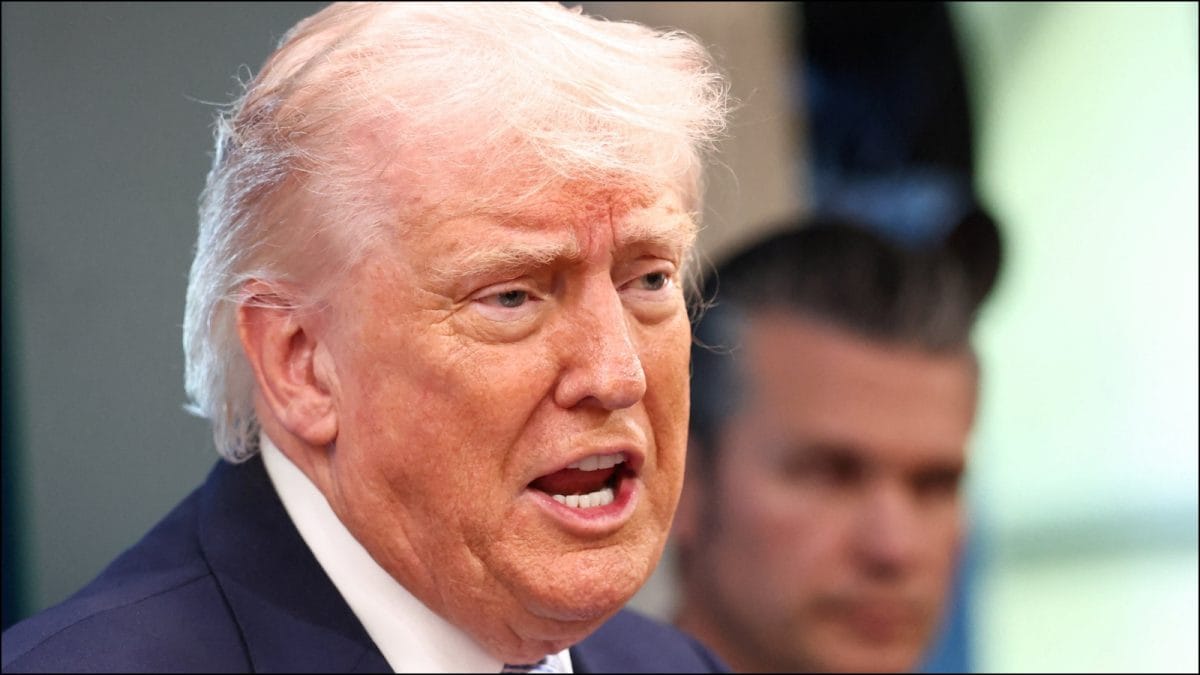
US Vice President JD Vance warns that the cease‑fire with Iran hangs by a thread and urges Tehran to negotiate sincerely, while President Donald Trump insists the aGreement must include an immediate, safe reopening of the Strait of Hormuz.
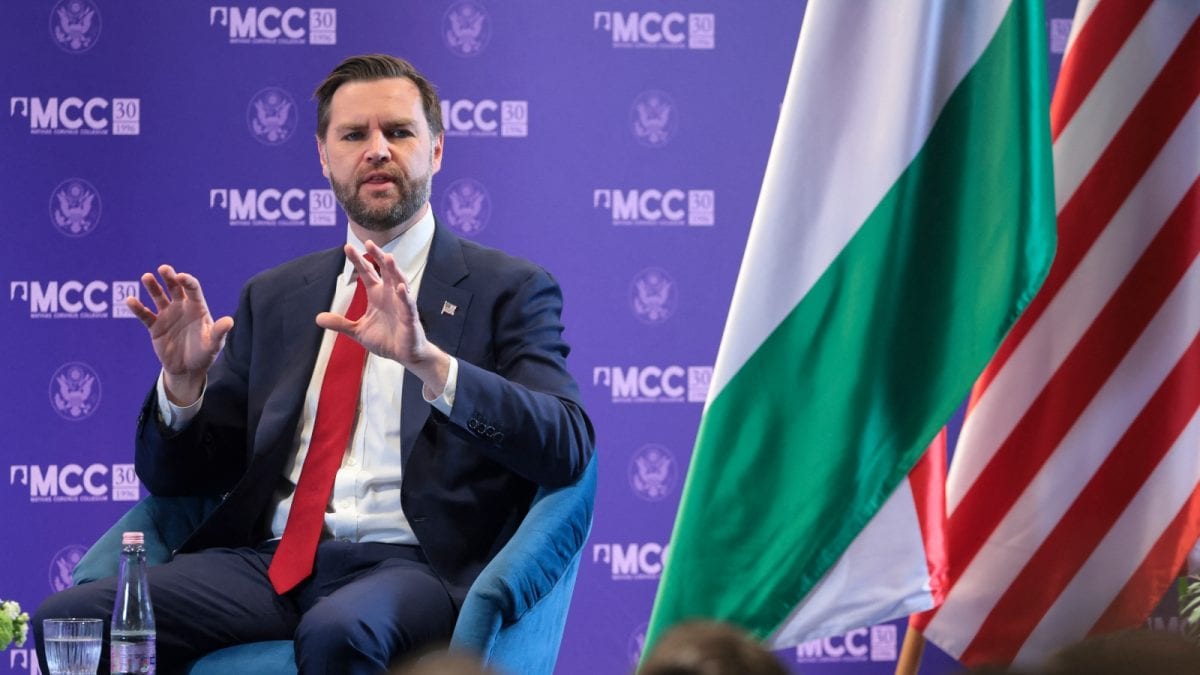
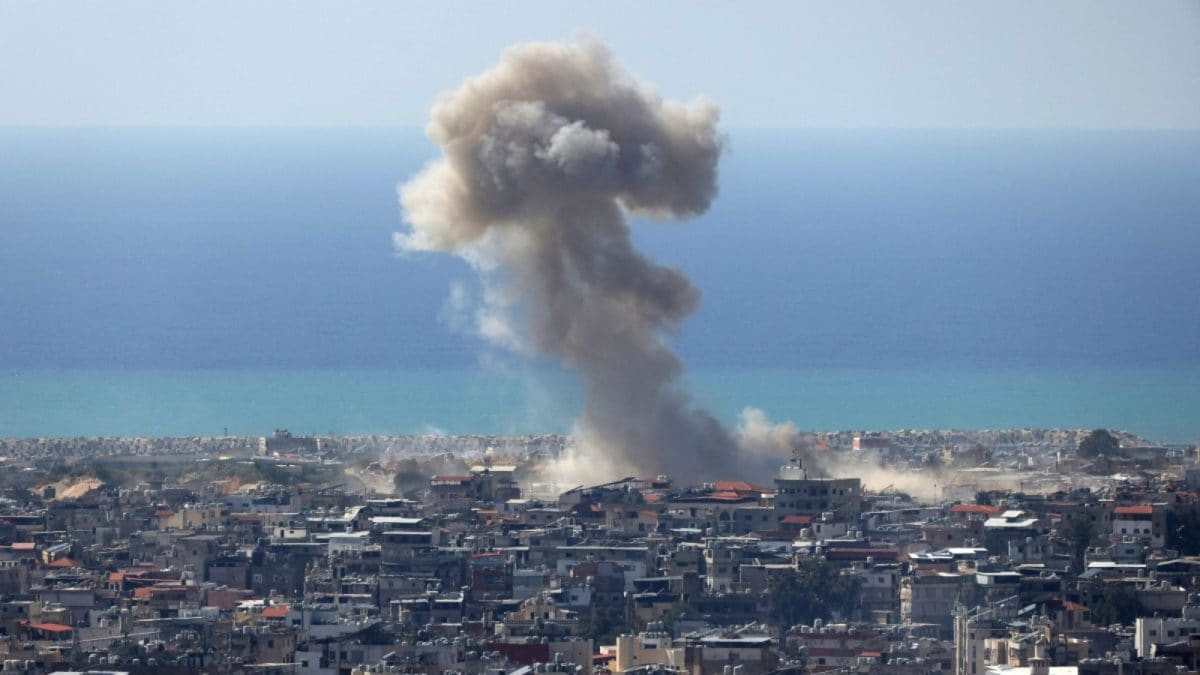
During a recent diplomatic stop in Hungary, US Vice President JD Vance publicly described the temporary cease‑fire with Iran as "fragile." The assessment underscores the precarious nature of the truce that President Donald Trump announced, a pause that hinges on a very specific set of conditions.
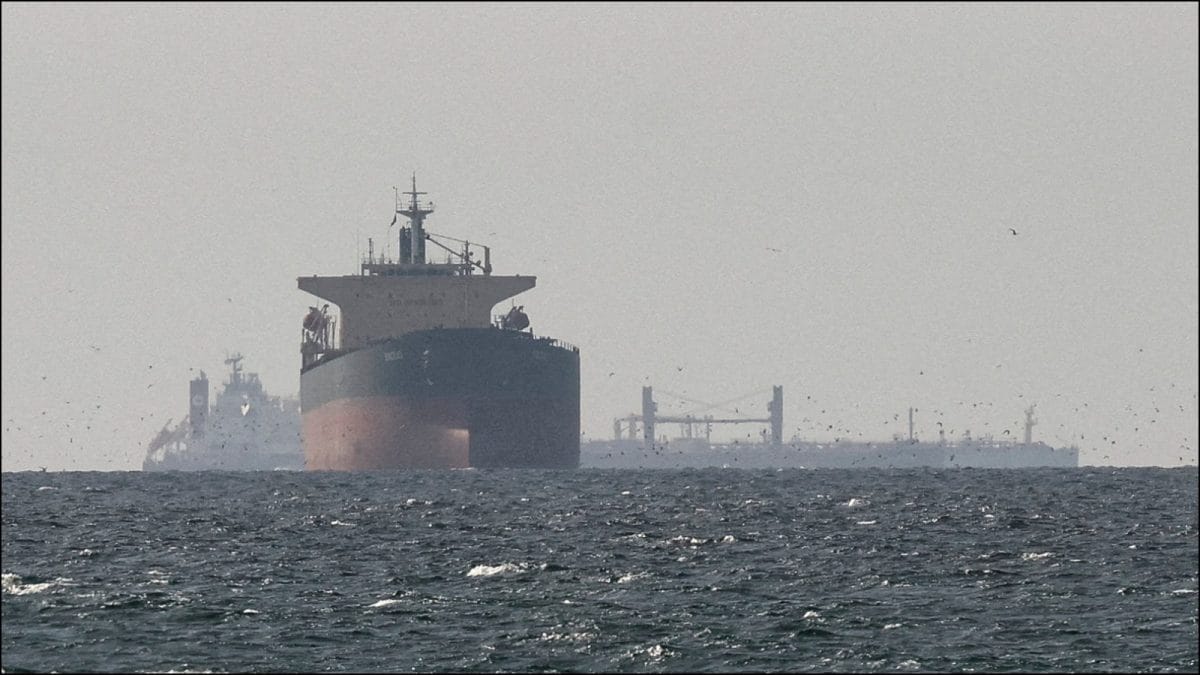
President Donald Trump’s announcement specified a two‑week cessation of hostilities, but only on the condition that Iran implements a "complete, immediate, and safe opening" of the strategically vital Strait of Hormuz. The Strait of Hormuz channels a significant share of the world’s petroleum supplies, making its unrestricted operation a cornerstone of global energy stability.
US Vice President JD Vance emphasized that a lasting resolution to the tensions in the Middle East requires Tehran to engage constructively with Washington. "If Iran refuses to negotiate," US Vice President JD Vance warned, "Iran will discover that President Donald Trump is not one to mess around. President Donald Trump is impatient and expects progress quickly."
The language used by US Vice President JD Vance leaves no doubt about the seriousness of the expectations placed on Tehran. The call for "good‑faith" negotiations reflects a broader diplomatic strategy that seeks to transform a short‑term cease‑fire into a more comprehensive, long‑lasting settlement.
US Vice President JD Vance reiterated that President Donald Trump has personally directed his negotiating team to pursue talks earnestly. "President Donald Trump has told me and the entire negotiating team to go and work in good faith to come to an aGreement," US Vice President JD Vance said. "That is the instruction that President Donald Trump has given us."
The involvement of Pakistan as a mediator adds a regional dimension to the diplomatic effort. Pakistan’s role is to facilitate dialogue between the two sides, ensuring that the discussions remain focused on achieving the opening of the Strait of Hormuz while safeguarding the broader interests of regional stability.
The emphasis on an "immediate" opening of the Strait of Hormuz is rooted in the belief that any delay could exacerbate global oil price volatility and threaten maritime trade routes. By insisting on a swift and secure reopening, President Donald Trump aims to mitigate the economic repercussions that might arise from prolonged uncertainty in the region.
US Vice President JD Vance’s remarks also highlight the potential consequences for Iran should Tehran decline to participate in the negotiation process. The warning that Iran will “find out” the determination of President Donald Trump serves as both a deterrent and an invitation, signaling that constructive engagement could prevent further escalation.
From a diplomatic standpoint, the urgency expressed by US Vice President JD Vance reflects an awareness that the window for meaningful dialogue is narrow. The fragile nature of the cease‑fire demands that both parties act quickly to translate the temporary pause into a framework that addresses the underlying issues driving the conflict.
While the cease‑fire is framed as a two‑week arrangement, the underlying expectation is that it serves as a springboard for a more enduring settlement. The emphasis on good‑faith negotiations suggests that the United States is prepared to move beyond the immediate cessation of fire and focus on longer‑term security arrangements.
The strategic importance of the Strait of Hormuz cannot be overstated. Any disruption to its operations would have cascading effects on global oil markets, shipping costs, and the economic wellbeing of nations that depend on its free flow. Consequently, President Donald Trump’s insistence on a "complete, immediate, and safe opening" conveys a clear prioritization of global energy security.
For Iran, the decision to comply with the stipulated conditions carries both diplomatic and economic implications. By aGreeing to the reopening terms, Iran could potentially ease international pressure and open avenues for further engagement on other contentious issues.
US Vice President JD Vance’s call for sincere negotiations underscores the belief that a collaborative approach can yield a win‑win outcome. By framing the dialogue as a partnership rather than a confrontation, US Vice President JD Vance seeks to foster an environment where both sides feel incentivized to reach a mutually beneficial aGreement.
In summary, the current situation presents a delicate balance: a fragile cease‑fire that hinges on Iran’s willingness to reopen the Strait of Hormuz immediately, combined with President Donald Trump’s clear directive for his team to pursue negotiations in good faith. The involvement of Pakistan as a mediator adds a regional layer of credibility, while US Vice President JD Vance’s firm statements signal a readiness to enforce the United States’ expectations should Tehran deviate from the aGreed path.
The path forward will depend largely on whether Iran embraces the invitation to negotiate earnestly. If Iran chooses to engage, the prospect of a long‑term deal that stabilizes the region and secures the Strait of Hormuz appears within reach. If Iran declines, the warning from President Donald Trump, as relayed by US Vice President JD Vance, suggests that the United States stands prepared to respond decisively to protect its interests and maintain the flow of global commerce.