Trump Consents to Two‑Week Halt of Strikes on Iran, Tied to Ceasefire and Hormuz Reopening
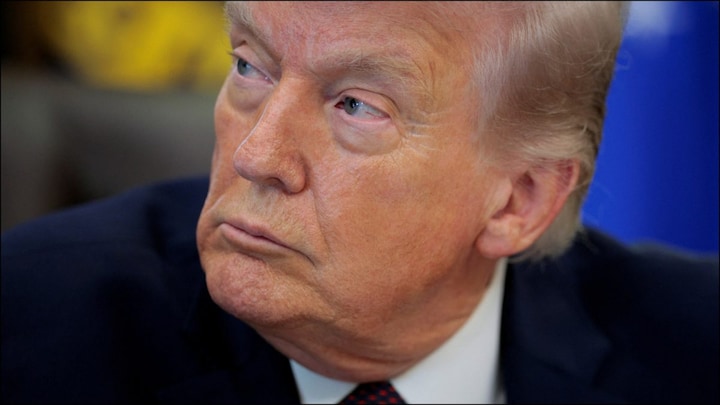
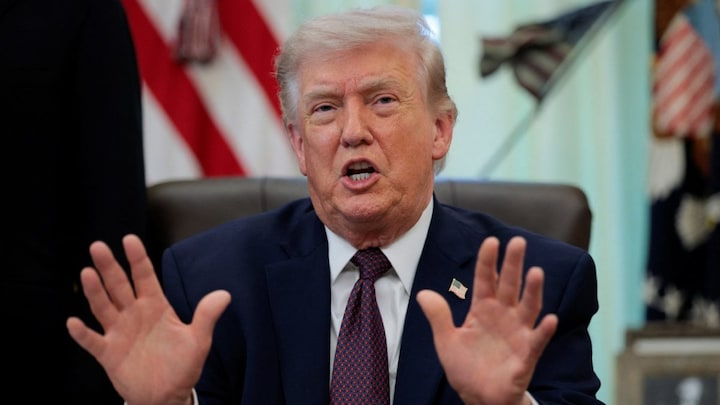
Trump aGreed to suspend attacks on Iran's infrastructure for the next two weeks after receiving a 10‑point proposal from Tehran, which Trump described as a workable basis for talks.
Overview of the AGreement
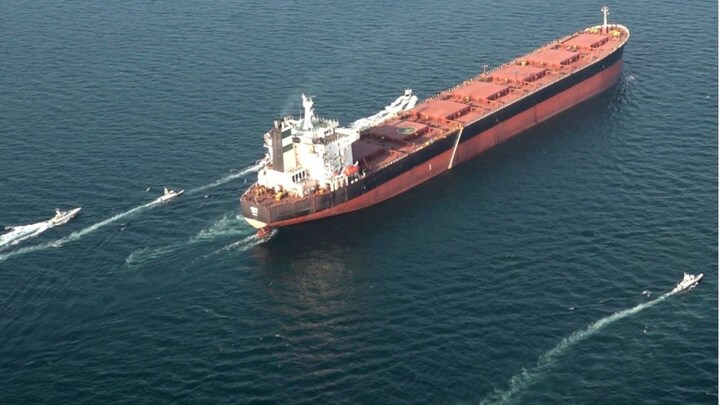
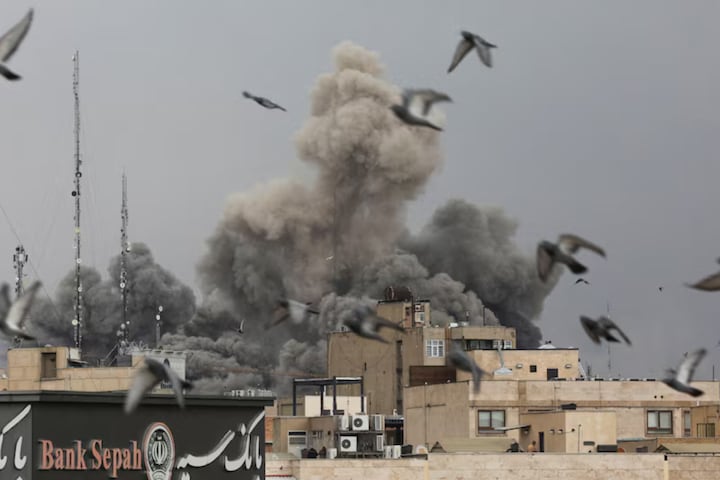
In a statement released by the White House, Trump announced that the United States would pause its bombing campaign and related military actions against Iran for a period of fourteen days. The suspension is conditioned on Tehran’s willingness to accept a cease‑fire and to reopen the Strait of Hormuz, a vital maritime corridor through which a significant portion of the world’s oil supplies pass.
Trump emphasized that the decision came after a structured set of ten proposals was presented by Tehran. According to Trump, those proposals offered a concrete framework that could serve as the foundation for broader negotiations aimed at de‑escalating the conflict that has been escalating in recent months.
Key Elements of Tehran’s Ten‑Point Proposal
While the full text of Tehran’s ten‑point outline has not been made public, the elements that Trump highlighted provide insight into the negotiation focal points. The proposal reportedly addresses the following areas:
- Immediate cessation of hostilities on both sides.
- Reopening of the Strait of Hormuz to commercial shipping.
- Withdrawal of U.S. forces from positions adjacent to Iranian territory.
- Release of detainees held by each side.
- Establishment of a joint monitoring mechanism to verify compliance.
- Commitments to refrain from further provocative actions.
- Economic concessions aimed at alleviating sanctions‑related pressures.
- Schedule for phased diplomatic talks.
- Assurances regarding the protection of civilian infrastructure.
- Framework for long‑term regional stability.
Trump asserted that these points represent a “workable basis” from which a durable peace can be forged, provided that both parties demonstrate a genuine commitment to the process.
Strategic Importance of the Strait of Hormuz
The Strait of Hormuz stands as one of the world’s most strategic chokepoints for maritime trade, particularly for energy shipments. A substantial proportion of global petroleum flows through this narrow passage, making any interruption a matter of international concern. By linking the suspension of U.S. attacks to the reopening of the strait, Trump underscored the broader economic implications that extend well beyond the immediate theater of conflict.
Television analysts and policy experts have repeatedly warned that closure of the strait could trigger sharp spikes in oil prices, disrupt supply chains, and potentially provoke a wider geopolitical crisis. In this context, Trump’s conditional pause seeks to provide a diplomatic incentive for Tehran to restore normal shipping lanes, thereby reducing the risk of global market turbulence.
Implications for Regional Security
The fourteen‑day halt, if fully observed, could act as a confidence‑building measure that paves the way for more substantive dialogue. Security analysts note that such a pause may allow regional actors to reassess their positions, lower the immediate risk of accidental escalation, and create space for diplomatic channels to function without the pressure of ongoing kinetic operations.
Furthermore, the cease‑fire component of the aGreement signals an intention to move away from a purely military solution toward a negotiated settlement. If Tehran adheres to the terms, the United States could redirect resources toward diplomatic outreach, intelligence gathering, and strategic planning aimed at a long‑term resolution.
Potential Challenges and Risks
Despite the optimism expressed by Trump, several hurdles remain. First, the verification of compliance will require a robust monitoring framework, which both sides must aGree upon. Second, any breach of the cease‑fire or premature closure of the Strait of Hormuz could instantly nullify the pause and lead to an escalation of hostilities.
Moreover, domestic political pressures on both Washington and Tehran may influence the durability of the aGreement. In the United States, Trump faces scrutiny from lawmakers who demand clear evidence that the pause translates into measurable diplomatic progress. In Tehran, hard‑liners may view any concession as a sign of weakness unless concrete benefits are realized promptly.
International Reactions
Allied nations expressed cautious optimism about the development. European capitals highlighted the importance of keeping the Strait of Hormuz open, emphasizing that uninterrupted oil flow is essential for global energy stability. Regional partners, including Gulf Cooperation Council members, welcomed the prospect of reduced military tension, while simultaneously urging both parties to honor the terms of the cease‑fire.
United Nations officials called for transparency and urged the establishment of an international monitoring body to oversee compliance. These calls align with long‑standing UN efforts to mitigate conflicts that threaten international trade routes.
Next Steps in the Diplomatic Process
Trump indicated that the United States will engage directly with Tehran officials throughout the two‑week window to flesh out the details of the ten‑point framework. The goal, according to Trump, is to translate the high‑level proposals into actionable aGreements that can survive beyond the initial suspension period.
Both sides are expected to exchange technical teams tasked with verifying the reopening of the Strait of Hormuz and ensuring that the cease‑fire remains intact. These teams will likely coordinate with international observers to maintain credibility and avoid accusations of bias.
Should the initial fourteen‑day period prove successful, Trump suggested that discussions could move toward a more permanent arrangement, potentially encompassing broader security guarantees, economic collaboration, and a roadmap for lasting peace in the region.
Conclusion
Trump’s aGreement to suspend attacks on Iran for two weeks, anchored to Tehran’s acceptance of a cease‑fire and the reopening of the Strait of Hormuz, marks a notable shift in the current trajectory of the conflict. While the suspension offers a window for diplomatic engagement, the ultimate outcome will depend on the willingness of both parties to honor the terms and on the effectiveness of verification mechanisms.
The international community watches closely, aware that the stability of a critical maritime artery and the broader security landscape hinge on the success of this limited but potentially pivotal pause.