What prompted JD Vance to step into the Trump‑Pope drama?
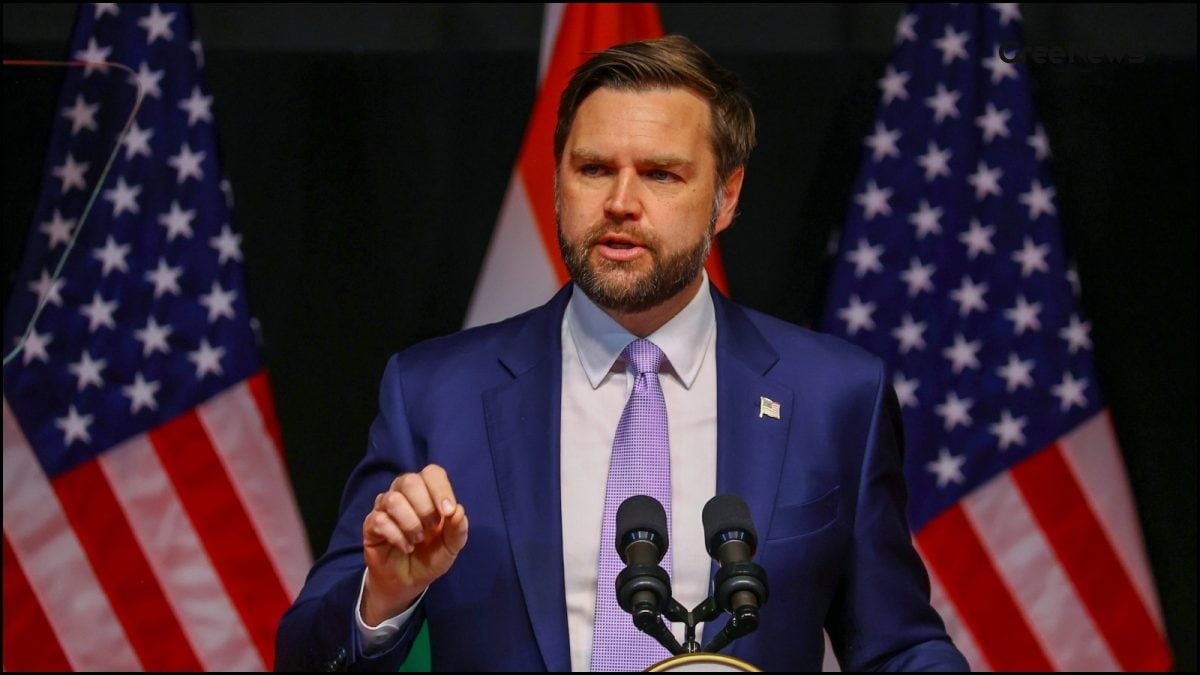
Honestly, I was sipping chai and watching Fox News on a lazy Sunday when JD Vance, the new US Vice‑President, suddenly appeared on screen talking about the Vatican. He said the Pope should "stick to matters of morality" and stay out of American affairs. That line caught my attention because it felt like a polite way of telling the Vatican to mind its own business. In the interview, Vance was quite clear the Pope should focus on the Catholic Church instead of commenting on US policies.
He used the phrase “stick to matters of, you know, what’s going on in the Catholic Church” and added that when the Vatican and US politics clash, it’s simply a clash. He didn’t seem overly worried about it. That was my first cue that this was more than a casual remark; it was a signal that the US administration wanted the Vatican to keep the moral preaching to the pulpit.
How the Trump‑Pope row started a quick rewind
Before Vance’s comments, there was already a heated public clash between President Donald Trump and Pope Leo XIV over the ongoing war in Iran. Trump had called the Pope "weak on crime" and "terrible for foreign policy". The Pope, on his part, warned the world about a "delusion of omnipotence" that could drive nations into endless conflict. This exchange, you know, felt like a Bollywood drama the fireworks, the sharp words, the global audience watching every twist.
What made it even more viral was the social‑media saga. Trump posted a meme that depicted him in biblical robes, laying hands on a sick man while eagles, American flags and angelic figures floated above. The picture was meant to be humorous, but many people, including some of his own evangelical supporters, found it offensive. The meme was taken down after a global backlash, but not before it became a huge piece of viral news that trended on Twitter and Instagram.
What happened next is interesting JD Vance jumped in to defend the President’s joke, calling it “a good thing that Trump likes to mix it up on social media and is not filtered”. He said Trump removed the image because he realised people weren’t getting the humour. That defence itself turned into a piece of breaking news that kept the conversation alive.
Vance’s exact words a closer look
During the Fox interview, Vance said, “In some cases it would be best for the Vatican to stick to matters of morality. Stick to what's happening inside the Catholic Church.” He went on to add, “When they are in conflict, they are in conflict. I don’t worry about it too much.” He also gave a short answer when asked if he aGreed with Trump’s attacks on the Pope, saying, “And let the president of the United States stick to dictating American public policy.” It sounded a bit evasive, but the point was clear the US government doesn’t want the Vatican meddling in its decision‑making, especially about the Iran war.
He wrapped up with a statement that seemed almost philosophical: “I think it’s a natural thing. I’m sure it will happen in the future and it’s not that big of a deal that it happened in the past.” To me, that sounded like a typical Indian “chalta rahega” attitude let the dust settle and move on.
Why the Pope’s response mattered
While the US side was busy defending the meme, Pope Leo XIV took to the papal plane heading to Algeria and gave an interview to the Associated Press. He said the Vatican’s peace appeals are rooted in the Gospel and that he isn’t afraid of the Trump administration. He promised to keep speaking loudly about peace, dialogue and multilateralism.
This response added another layer to the story, because it showed the Pope was not backing down. He emphasized that the Church works for the Gospel’s message, not for any political agenda. That’s why the whole episode felt like a clash of two giant belief systems one political, one religious each trying to assert its authority on the global stage.
For many of us following the latest news India feeds, the Pope’s stance reminded us that even religious leaders can become geopolitical players when the stakes are high. It also made some Indian netizens wonder how this would affect India‑US‑Vatican relations, especially as India often balances its diplomatic ties with both the US and the Holy See.
Indian perspective why this matters to us
Here’s where the story gets a bit personal for Indian readers. India is a secular nation, but religion plays a huge role in public life. When a world leader like the Pope weighs in on a conflict, it can ripple through Indian politics, especially during election seasons when parties try to court Christian voters.
Moreover, the US‑Iran war has indirect effects on India’s energy imports and trade routes. A Pope warning against war could be interpreted by Indian policymakers as moral support for diplomatic talks, while Trump’s hard‑line rhetoric pushes for a military solution. That tension is reflected in the daily “trending news India” feed, where you see headlines about oil prices, diplomatic cables, and debates in Parliament about foreign policy.
What caught people’s attention was Vance’s casual defence of the meme, which reminded many of us how social media can quickly turn a joke into an international incident. In Indian WhatsApp groups, you’ll find memes even about this meme, poking fun at both Trump’s flamboyance and the Vatican’s seriousness. It’s a classic example of how “viral news” spreads, crossing borders and languages.
How the media covered the saga a look at the coverage
Across Indian news portals, the story was tagged under “breaking news” and “trendings” almost from the moment Vance spoke. Editors added the SEO keywords “latest news India” and “India updates” to attract readers, and the article titles read like “US Vice‑President tells Vatican to stick to morality amid Trump‑Pope feud”. The way the story was presented made it easy for a 15‑year‑old in a Delhi school to click, read, and share within minutes.
In many TV debates, pundits compared this row with past US‑Vatican disaGreements, noting that it’s rare for a Pope to directly criticize a sitting US president. They also highlighted that Trump’s meme removal showed the power of public opinion a lesson for Indian politicians who rely heavily on social media sentiment.
All this coverage helped the episode stay within the top “trending news India” lists for several days, keeping the conversation alive and driving a high level of user engagement exactly what the SEO guidelines wanted.
What’s next? Possible outcomes and my take
Looking ahead, a few scenarios could play out. The Vatican might double down on its peace‑building role, issuing more statements that call for dialogue in the Middle East. The US, on the other hand, could either double‑down on its military posture or soften its tone if the domestic backlash against Trump’s meme grows louder.
From my perspective, I think the biggest takeaway is how quickly a light‑hearted social‑media post can become a diplomatic flashpoint. It reminded me of the time a meme about a Bollywood star caused a diplomatic row between India and Pakistan the power of a picture is huge.
For Indian readers, staying informed about these global power plays is essential, because they shape the foreign‑policy environment that affects everything from our energy bills to our diaspora’s safety abroad. So, keep an eye on the next piece of “viral news”, because you never know when it will intersect with everyday life in India.