What actually went down at the power plant?
So, I was scrolling through my phone this morning, catching up on the latest news India, when I saw a flash report about a massive explosion in a power plant up in Sakti district, Chhattisgarh. Turns out, the blast happened inside a boiler tube at the Vedanta Limited plant in Singhitarai village. The thing is, I didn’t know the details then, but the police statement gave a clear picture four workers lost their lives and fifteen more suffered injuries, while a few others might still be trapped under the wreckage.
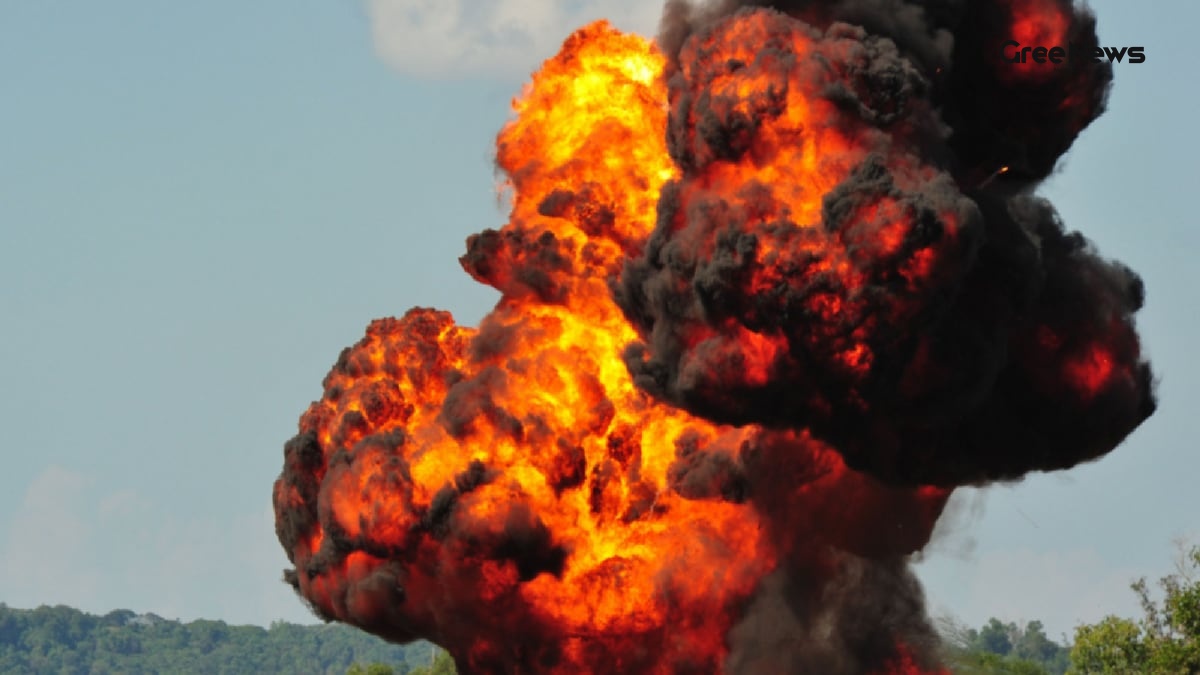
According to the senior police officer who briefed the media, the incident took place in the afternoon, just when the plant was running at full capacity. When a high‑pressure boiler tube suddenly ruptured, it released a wave of super‑heated steam and shrapnel, which hit the technicians and support staff standing nearby. It was a classic case of a boiler explosion something that, unfortunately, still happens in heavy‑industry settings worldwide, especially where maintenance schedules slip or safety checks are not as rigorous as they should be.
My take on the immediate response
What struck me most was how quickly the local administration and police teams reacted. Superintendent Prafull Thakur, the head of police in Sakti, told reporters that as soon as the blast was reported, rescue squads, fire‑men, and medical teams were on the ground within minutes. They set up a makeshift command centre near the plant entrance, coordinating with hospital staff to transport the injured.
In most cases, you’d expect a lot of bureaucratic lag, but here the urgency was palpable. The police even mentioned that they were using heavy‑duty cranes to try and lift the collapsed sections of the boiler, hoping to reach any workers who might be stuck underneath. It reminded me of the time my uncle’s friend worked at a coal mine in Jharkhand when an accident happened there, the whole village turned up with ropes and lanterns, and you could feel the whole community’s pulse quickening.
And yes, the injured were shifted to nearby hospitals. I heard from a local resident that the hospitals were already buzzing with patients from routine ailments, and now they had to make space for fifteen more trauma cases. The doctors were working round the clock, performing surgeries, and stabilising the victims. It really shows how a single industrial accident can rip through a community’s everyday rhythm.
Why this incident matters for the rest of us
Now, you might wonder why a power‑plant explosion in a relatively remote part of Chhattisgarh should catch the attention of anyone following viral news or trending news India. Apart from the obvious human tragedy, it touches on a bigger theme: industrial safety in our country.
When you read the breaking news, there’s often a line about “safety protocols” and “investigation”. But it’s not just a checkbox for the corporation. Boiler explosions can be caused by corrosion, poor welds, lack of proper pressure‑relief valves, or just a simple lapse in routine inspections. In a country where a huge portion of our energy comes from thermal power plants, an incident like this serves as a stark reminder that the people who keep the lights on are often working under hazardous conditions.
And that’s exactly why a lot of people were sharing the story on social platforms it struck a chord with workers’ unions, families of plant employees, and even ordinary citizens who worry about the safety of their neighbours in similar jobs. The conversation quickly turned into a broader discussion about whether companies like Vedanta are doing enough to safeguard their staff.
Vedanta Limited a quick background (no new facts, just context)
For those who aren’t familiar, Vedanta Limited is a big name in the Indian mining and power sector. They run several thermal power plants across the country, and the one in Singhitarai is part of their bigger portfolio. Over the years, Vedanta has faced criticism for environmental concerns and safety lapses, though they often claim to have upgraded their facilities.
In most of the public reports I’ve read, the company says they adhere to the latest safety standards set by the Ministry of Power and the Indian Boilers Association. However, the reality on the ground can be different. The explosion, as unfortunate as it is, may push the management to double‑check their maintenance logs, ensure that all pressure gauges are calibrated correctly, and conduct fresh safety drills with the workforce.
Impact on families and the local community
What really got me thinking was the personal side of the story. The four workers who didn’t survive were, by all accounts, the primary earners for their families. In many Indian households, a single wage can support not just a spouse and children, but also aging parents and even a few younger siblings still in school. When you lose that income overnight, the ripple effect is huge.
When I talked to a neighbour of one of the deceased, her eyes were wet and she said that the whole village has now come together to raise a small fund to help the families with immediate expenses school fees, medical bills for the injured, and even daily groceries. That spirit of community, you know, is such a common thread in Indian towns, but it’s also a reminder of how vulnerable these workers are.
On a practical level, the local market saw an unexpected surge in demand for basic goods as families tried to cope. The police also warned that traffic near the plant might be restricted for a few more days, causing minor inconvenience for commuters. The whole region felt the tremors, both literally and figuratively.
What the authorities are doing now
Superintendent Prafull Thakur confirmed that a formal inquiry will be launched. The police are working alongside officials from the Ministry of Power and an independent safety agency to piece together the exact cause. They’ve also sealed off the plant area to preserve evidence, which is standard procedure after such incidents.
There’s talk of a detailed audit of all boiler systems at Vedanta’s other plants. If you follow the latest news India, you’ll notice a flurry of reports about similar audits being ordered after past incidents in other states. The idea is to prevent a repeat by ensuring every plant complies with the strictest safety norms.
Meanwhile, the rescued workers are receiving physiotherapy and counselling. I read that a local NGO has stepped in to provide psychological support, because trauma isn’t just physical the mental scars can linger longer than any burn or fracture.
How this fits into the bigger picture of Indian industrial safety
India’s rapid industrialisation over the past few decades has created millions of jobs, but it’s also put a strain on safety infrastructure. While the government has introduced rules like the Factories Act and specific boiler safety regulations, enforcement can be patchy, especially in remote districts.
When a tragic event like this hits, it often becomes a catalyst for change at least on paper. The media coverage, which quickly turned into viral news, puts pressure on corporations and regulators alike. It’s a classic case of breaking news turning into a policy debate.
Many experts say that regular third‑party inspections, better training for on‑site staff, and real‑time monitoring of pressure levels can cut down such accidents dramatically. The question is whether these recommendations will translate into actual practice, or if they’ll get lost in bureaucracy.
Personal reflection why I think we should talk about it more
Honestly, I feel a bit uneasy every time I see another ‘industrial accident’ headline. It’s not just about a single plant; it’s about the millions of workers across India who keep our power plants, factories, and mines running. When we read about a tragedy, we tend to move on quickly, but the families continue to live with the loss.
That’s why I think it’s important for us, as citizens, to keep the conversation alive. Share the story, ask questions, demand transparency. If more people talk about safety, companies might feel a stronger push to invest in better equipment and training. And maybe, just maybe, the next time a boiler tube starts to crack, the warning signs will be spotted early enough to prevent disaster.
So, the next time you scroll through your news feed and see something that looks like just another “viral news” piece, pause a second. There are real lives behind those headlines, and each one matters.