Kriti Kharbanda Stuns in a Striking Bodycon Gown at the India 2030 Leadership Conclave
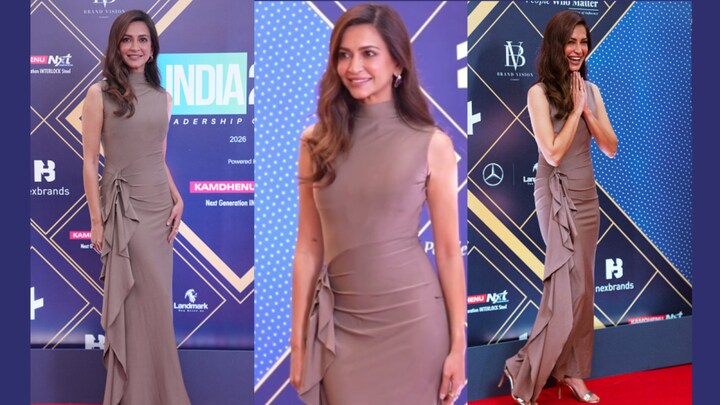
Stepping onto the red carpet, Kriti Kharbanda traded conventional corporate attire for a sharply contemporary silhouette that fused architectural precision with fluid femininity.
Kriti Kharbanda demonstrates an innate ability to dominate any environment where style and presence intersect. Whether the setting calls for a form‑fitting bodycon dress or a relaxed denim ensemble, Kriti Kharbanda consistently delivers a look that merges confidence with an unmistakable fashion sensibility. The appearance at the India 2030 Leadership Conclave provides a vivid illustration of how the actress translates personal flair into a universally resonant visual statement.
At the India 2030 Leadership Conclave, the stage is set for influential thought leaders, emerging performers, and seasoned artists to converge and celebrate achievement across multiple sectors. The red carpet serves as a prelude to the ceremony, offering a platform where designers, stylists, and public figures can showcase the latest interpretations of power dressing. In this context, Kriti Kharbanda’s choice of attire offers more than a personal style choice; it signals a broader conversation about modern elegance, structural design, and the evolving language of professional attire.
Unlike traditional corporate ensembles that often rely on predictable tailoring, Kriti Kharbanda elected a silhouette that simultaneously respects the formality of the event and pushes the aesthetic envelope. The decision to forgo conventional suiting in favor of a sleek, architectural garment underscores a shift toward embracing creativity within the parameters of high‑profile professional gatherings.
Design Details of the Barney Panelled Bodycon Draped Dress
The centerpiece of Kriti Kharbanda’s red‑carpet appearance is a sophisticated taupe (muted brownish‑grey) sleeveless bodycon gown crafted by designer Twinkle Hanspal. Officially identified as the Barney Panelled Bodycon Draped Dress, the garment exhibits a series of meticulously considered design elements that together create a harmonious visual impact.
The colour palette, grounded in a taupe hue, functions as a neutral canvas that accentuates the dress’s structural qualities while allowing subtle shifts in lighting to reveal nuanced undertones. This chromatic choice also aligns with contemporary trends that favour understated elegance over overt flamboyance, thereby reinforcing Kriti Kharbanda’s intention to appear both approachable and commanding.
From a construction standpoint, the gown features a high mock‑neck collar that echoes the formality of a turtleneck while preserving a sense of modern minimalism. The mock‑neck not only elongates the neckline but also contributes to a clean, uninterrupted vertical line that enhances the overall sleekness of the silhouette.
Perhaps the most distinctive component of the dress is the asymmetric draped fabric positioned at the waist. This element, intentionally fashioned as a soft, cascading ruffle‑like panel, descends along one side of the garment, creating a dynamic interplay between movement and stillness. The drape introduces an element of fluidity that contrasts with the otherwise tightly fitted bodycon shape, thereby delivering a visual tension that captures attention without overwhelming the eye.
The draped panel’s placement is not arbitrary; it serves to break the monotony of the uniform contour while simultaneously highlighting Kriti Kharbanda’s poised posture. As Kriti Kharbanda moves, the fabric sways gently, generating a subtle rhythm that adds depth and texture to the overall look.
Beyond the visual appeal, the dress’s construction prioritises comfort and a flattering fit. The bodycon cut hugs the torso in a way that accentuates Kriti Kharbanda’s silhouette without constriction, ensuring that the wearer can navigate the red carpet with confidence and poise.
Accessory Choices That Complement the Architectural Aesthetic
To maintain the focus on the structural brilliance of the Barney Panelled Bodycon Draped Dress, Kriti Kharbanda elected to pair the garment with a curated selection of minimal accessories. The accessory strategy revolves around enhancing the dress’s sleek lines rather than competing with them.
Small hoop earrings, or alternatively a pair of modest statement earrings, were chosen to frame the high mock‑neck without drawing excessive attention away from the dress’s neckline. The earrings’ metallic finish resonates with the dress’s overall tonal subtlety, creating a cohesive visual narrative.
Delicate rings were stacked on multiple fingers, offering a touch of refined sparkle that remains secondary to the dress’s primary design language. The rings’ understated brilliance adds a layer of sophistication without compromising the overall minimalist ethos.
The footwear selection comprised metallic silver high heels that subtly peek from beneath the hem of the gown. The choice of a metallic finish mirrors the subtle sheen of the accessories, while the heel’s silhouette contributes additional height, further elongating Kriti Kharbanda’s profile on the carpet.
Overall, the accessory ensemble underscores Kriti Kharbanda’s commitment to a balanced aesthetic—one where each component serves a purpose, and no single element overshadows the cohesive vision presented by Twinkle Hanspal’s design.
Award Highlights and Notable Honorees at the India 2030 Leadership Conclave
The India 2030 Leadership Conclave celebrated a wide array of achievements across sectors, with particular emphasis on innovation, artistic excellence, and transformative leadership. Among the distinguished recognitions, Gaur Gopal Das received the Transformational Thought Leader of the Year award, acknowledging a profound impact on motivational discourse.
Radhika Madan earned the Breakthrough Performer award, a testament to a breakout performance that resonated strongly with both audiences and critics. Malaika Arora was honoured as a dynamic business and entertainment icon, underscoring a versatile career that bridges commercial success with creative influence.
Veteran actors such as Manoj Bajpayee and Nawazuddin Siddiqui were celebrated for cinematic excellence, each having contributed significantly to the evolution of contemporary storytelling. Shehnaaz Gill and Boman Irani also featured among the roster of notable awardees, reflecting a spectrum of talent that spans emerging artistry and seasoned craftsmanship.
These recognitions collectively illustrate the India 2030 Leadership Conclave’s dedication to acknowledging diverse forms of excellence, ranging from thought leadership and breakthrough performances to sustained contributions within the film industry.
Kriti Kharbanda’s appearance, while not directly linked to an award, functioned as a visual representation of the event’s emphasis on contemporary style, confidence, and the seamless blending of artistic expression with professional distinction.
Contextualising the Dress Within Modern Power Dressing Trends
The choice of a bodycon silhouette for a high‑profile professional gathering signals an evolution in power dressing conventions. Historically, power dressing has been associated with sharp tailoring, muted colours, and an emphasis on structure that conveys authority. Kriti Kharbanda’s adoption of a form‑fitting, taupe‑coloured bodycon dress illustrates how modern interpretations of power now accommodate fluid lines, strategic draping, and a nuanced interplay between rigidity and movement.
Designer Twinkle Hanspal’s decision to incorporate an asymmetric drape introduces a conversation about how subtle asymmetry can convey confidence without resorting to overt flamboyance. The drape’s presence adds a layer of dynamic energy, suggesting that authority can be expressed through grace and controlled motion.
Moreover, the omission of heavy embellishments in favour of a clean, monochromatic palette demonstrates a growing preference for understated elegance. This aesthetic resonates with professionals who seek to present a polished image while allowing personal style to shine through refined details.
By juxtaposing a high mock‑neck collar with a soft draped panel, the garment embodies a harmonious balance between formality and approachability. The high collar reinforces a sense of discipline, while the drape imparts a gentle femininity that softens the otherwise austere silhouette.
In the broader landscape of contemporary fashion, such hybrid designs reflect an increasing desire to blur the lines between traditional corporate attire and runway‑inspired couture. Kriti Kharbanda’s look serves as a case study for how designers and style icons can merge these realms, delivering attire that is simultaneously suitable for a professional forum and striking enough to command media attention.
Stylistic Impact and Public Reception
The public and media reaction to Kriti Kharbanda’s red‑carpet ensemble highlighted admiration for the dress’s architectural qualities and the actress’s confident execution of the look. Commentators praised the way the high mock‑neck accentuated the elongated neck line, while the draped element introduced visual movement that captured cameras and audience attention alike.
Fashion analysts noted that the taupe hue provided a versatile backdrop that could complement a wide array of accessory options, a fact that Kriti Kharbanda leveraged through the careful selection of minimalistic jewellery and metallic heels. Social platforms buzzed with discussions about how the dress managed to be both striking and understated, a balance that many fashion enthusiasts described as “effortlessly powerful.”
Industry insiders pointed to the collaboration between Kriti Kharbanda and designer Twinkle Hanspal as an exemplary partnership, wherein the actress’s personal style sensibilities aligned seamlessly with the designer’s vision for a modern, structurally driven garment. This synergy reinforced the notion that successful red‑carpet moments often arise from a deep understanding of how clothing can amplify personal brand narratives.
Beyond the immediate visual impact, the outfit sparked broader conversations about the evolving definitions of formal wear within Indian and global contexts. Critics highlighted how the dress bridges traditional notions of modesty—through the high mock‑neck and sleeveless cut—with contemporary desires for sartorial innovation, signalling a progressive shift in what is considered appropriate for high‑visibility professional events.