What sparked my curiosity today?
Honestly, I was sipping my chai and scrolling through my phone when I saw a headline that made me sit up straight “Modi says Opposition can take credit for women’s reservation Bill”. It felt like a scene straight out of a political drama, but this was real‑time, breaking news India that had everyone from Delhi to Dharwad buzzing.
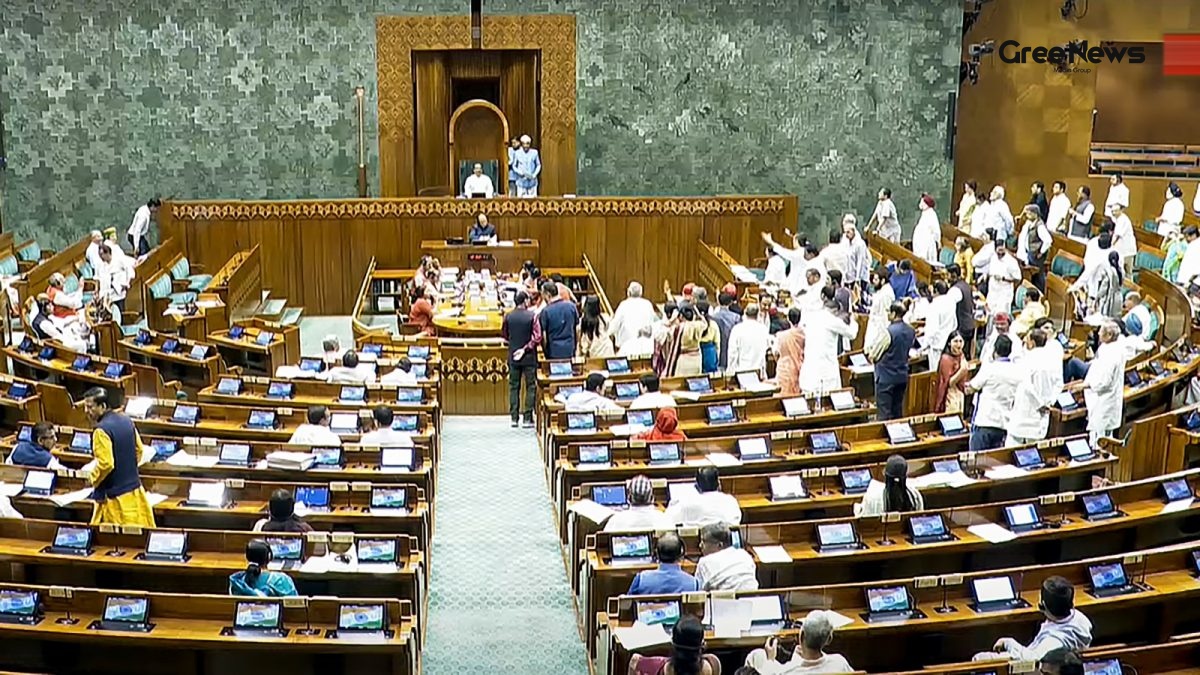
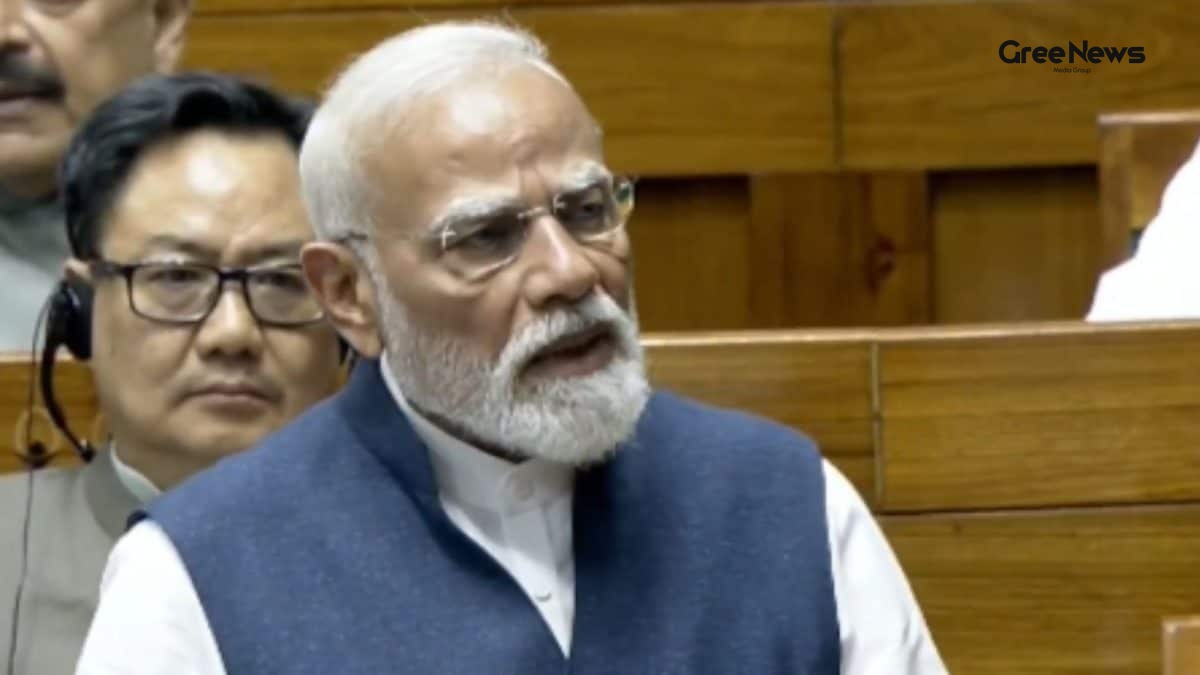
What happened next is interesting. I switched on the live telecast of the Lok Sabha debate, and there was Narendra Modi, the Prime Minister, speaking in his usual measured tone, yet there was a twinkle of humour in his voice when he said, “If you want the credit, you can take it”. It sounded like he was handing out a souvenir to anyone who wanted it.
Modi’s candid offer a ‘blank cheque’ for credit
During the discussion, Modi practically invited every parliamentarian to publish their photo and claim the glory of passing the women’s reservation Bill. He said, “Anyone here can publish their photo, I will give you a blank cheque to take credit.” I could hear the slight chuckle from the gallery, and it felt like a scene from a movie where the hero hands the protagonist the keys to a trophy.
He didn’t hide the political angle either. “It is obvious that I will benefit from it politically,” he admitted. That frank admission was something you rarely hear in the polished language of politics. It was refreshing, almost like a friend saying, “Look, I might get a point on the cricket scoreboard, but let’s not forget why this matters.”
Why the bill matters a chance we can’t afford to miss
Modi stressed that the opportunity to pass the women’s reservation Bill is slipping away fast. He said that if the legislation is not cleared after nearly three decades of delay, the chance will be lost for all parties and the public. In my mind, it felt like watching a train that’s about to depart you either hop on or you’re left standing on the platform.
He called it a “significant opportunity for lawmakers to contribute to a transformative, nation‑building exercise”. And he wasn’t just talking about scores on a political scoreboard; he was talking about half of India’s population women finally getting a guaranteed voice in the Parliament.
That line hit home for me. Growing up in a small town in Madhya Pradesh, I remember my mother telling me how she’d love to see more women deciding policies that affect our daily lives from water supply to education. The thought that this could soon become a reality made the discussion feel personal, not just another viral news India story.
The nitty‑gritty of the proposal what exactly is being proposed?
Modi went on to lay out the specifics of the plan. The government is looking at implementing the women’s reservation before the 2029 General Elections. To make that happen, they propose an amendment to the 2023 Act and a constitutional change that would separate the delimitation exercise from the 2027 census.
On top of that, there’s a bold move to expand the strength of the Lok Sabha from the current 543 seats to 850 seats. Out of these, 815 would be allocated to the States, and another 35 would be for the Union Territories. This isn’t just a numbers game; it’s an attempt to reshape the very structure of our democracy to make room for more diverse representation.
When you hear those numbers, you might think it’s just bureaucratic jargon. But for someone like me, who watches the elections like a cricket match, each additional seat could mean another voice from a remote village, another woman getting a chance to stand for office. It’s a change that could ripple across the political landscape.
What the opposition might do with this credit
Modi’s invitation to the opposition to take credit is more than a cheeky remark. It’s a strategic nudge. By allowing the opposition to claim the win, he’s hinting that the real victory is the bill itself, not who gets the applause. I can imagine an opposition MP, perhaps from a regional party, posting a photo on Twitter with the caption, “Proud to have helped pass the women’s reservation Bill”. That’s the kind of moment that quickly becomes trending news India and spreads across social media platforms.
In most cases, political parties compete over who gets to write the history books. Here, Modi is essentially saying, “Let’s write the book together”. It’s a rare moment of bipartisanship in a landscape that’s often filled with sharp debates and heated exchanges.
Public reaction a mix of hope and skepticism
Since the Prime Minister’s comments aired, I’ve heard varying opinions from my neighbours. Some are thrilled, believing that the bill could finally empower women at the grassroots level. Others are skeptical, asking whether the expansion of the Lok Sabha will truly translate into effective representation or just become another bureaucratic hurdle.
On the streets of Bengaluru, a group of young women gathered outside a college campus, chanting slogans that echoed the spirit of the bill. In a small tea stall in Varanasi, the owner laughed and said, “If they give us more seats, maybe we’ll finally have a lady to look after us!” Their reactions highlight how this piece of legislation has become a part of everyday conversations a sign that it’s indeed catching the imagination of the public.
This blend of hope and skepticism is exactly what makes this story such a hot topic in the latest news India. It’s not just about politics; it’s about societal change, and that’s why people are talking about it at household dinner tables and on WhatsApp groups.
Potential impact on future elections
When we look ahead to the 2029 General Elections, the passage of the women’s reservation Bill could reshape electoral dynamics. Parties might start fielding more female candidates to meet the new reservation quotas, which could shift campaign strategies, voter outreach, and even policy priorities.
Imagine a scenario where a constituency that traditionally voted for a male candidate now has a reserved seat for a woman. The political narrative would change parties would need to select candidates who not only fulfill the reservation criteria but also resonate with local issues. This could lead to a surge in women leaders emerging from different parts of the country, from the hills of Himachal to the plains of Uttar Pradesh.
That prospect has already started generating buzz among political analysts and ordinary citizens alike a clear sign of viral news that keeps on growing. The idea of a more gender‑balanced Parliament feels almost tangible now, rather than just a distant dream.
Why this story matters for everyday Indians
On a personal level, I think about the everyday problems we face electricity cuts, water scarcity, basic healthcare. Most of these issues affect women directly. If more women sit in the Lok Sabha, they can bring these concerns to the forefront, ensuring policies are crafted with a gender‑sensitive lens.
For a farmer’s wife in Punjab, it could mean better maternity benefits. For a school teacher in Kerala, it could lead to more focus on safety in schools. For a small‑scale entrepreneur in Gujarat, it could translate into easier access to credit. All of these possibilities stem from a fundamental change in representation.
That’s why, when I heard Modi’s comment about taking credit, I thought of all the small victories that could ripple through the country. It’s not just about political credit; it’s about changing lives at the grassroots level.
Looking ahead what’s next for the bill?
The road ahead is still uncertain. The bill still needs to clear several stages in Parliament debate, amendment, and finally a vote. Modi’s remarks, however, have injected a sense of urgency. He warned that delaying the legislation any further would mean losing the chance altogether.
As per the proposal, the delimitation exercise, which was earlier linked to the 2027 census, will now be handled separately. This move is aimed at preventing any delays caused by census complications. It’s a technical detail, but one that could speed up the entire process.
There’s also the ambitious plan to raise Lok Sabha seats to 850. Critics argue that expanding the house could make it unwieldy, but supporters say it’s essential for better representation, especially with the new reservation for women. The debate on this will likely dominate the political discourse in the coming weeks another piece of breaking news India that will keep our feeds buzzing.
Final thoughts a personal take
Honestly, after listening to the Prime Minister and watching the reactions unfold, I feel a mixture of optimism and caution. Optimism because the very fact that we’re having this conversation at a national level signals progress. Caution because the implementation will require commitment from every corner of the political spectrum.
One thing is clear: this isn’t just another amendment; it’s a potential turning point for Indian democracy. If the opposition truly takes the credit and the bill passes, it could set a precedent for collaborative politics something that many of us have been yearning for, especially after years of polarized debates.
So, whether you’re a student, a housewife, a farmer, or a businessman, keep an eye on this story. It might just be the catalyst that brings the change we’ve all been waiting for. And who knows, maybe someday we’ll look back at today’s discussion as the moment when India finally gave half its population a stronger voice in Parliament.