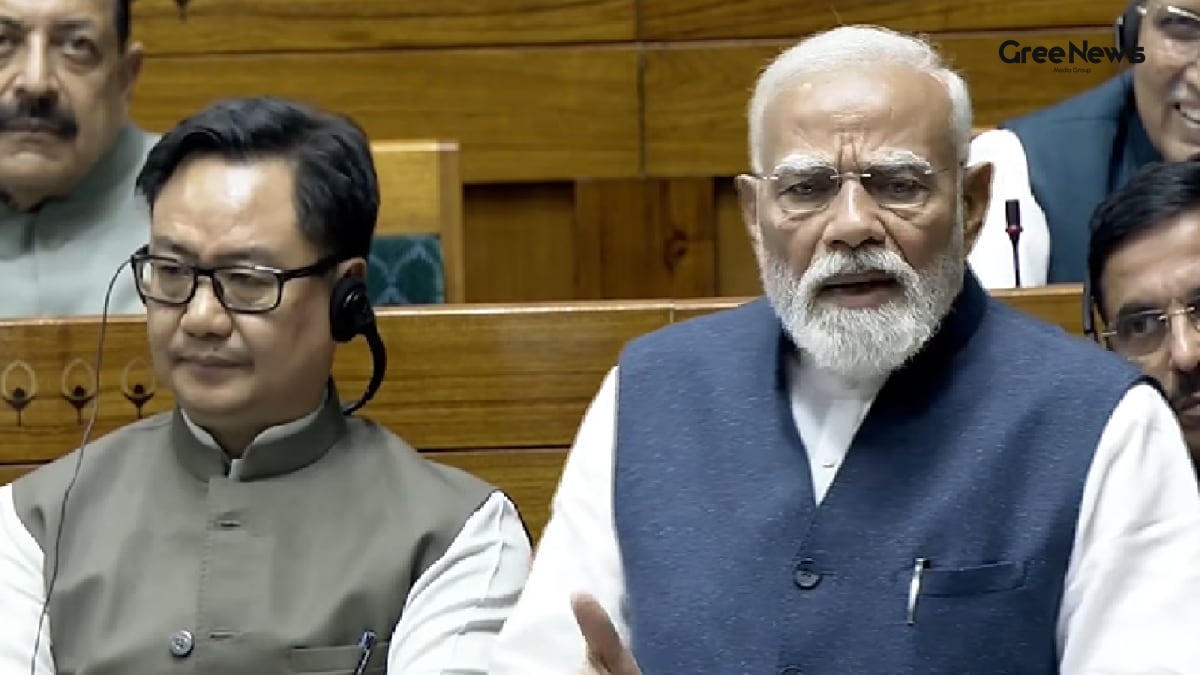
Modi urges all parties to back the Women’s Reservation Bill without political colour, says women are empowered, aspirational and want a role in governance.
Honestly, when I heard Prime Minister Narendra Modi’s speech on the Parliament floor the other day, I felt that it was more than just another political statement it was something that touched the everyday hopes of many Indian women, including the aunties I see at the local market who always ask why they can’t stand for elections. The Prime Minister said, and I’m quoting him exactly, “There is no need to give this issue a political colour. Women are an empowered lot and aspirational as well, and they want to become the part of governance and making laws.” That line, in my opinion, summed up the sentiment that’s been bubbling up in the latest news India.
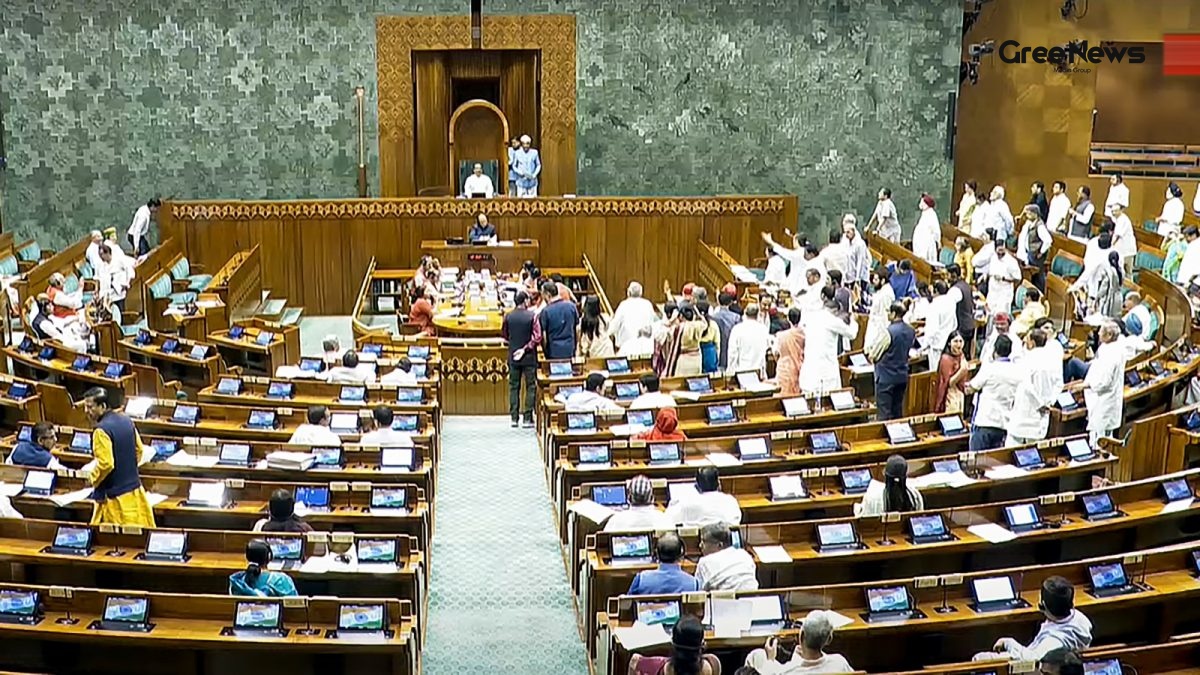
He didn’t stop there. In a tone that sounded a bit like a warning you’d hear from a seasoned elder, he added, “Those who will oppose now will have to pay a price for long.” I could feel the tension in the house; you could almost hear the murmurs from the opposition benches. This caught people’s attention instantly, making it a piece of breaking news that spread like wildfire on social media platforms.
What the Constitution (131st Amendment) Bill entails
Now, let’s unpack the actual bill. The Constitution (131st Amendment) Bill was introduced in the Lok Sabha after a division of votes. It basically proposes increasing the total number of Lok Sabha seats from the current 543 to a maximum of 850. The idea behind this massive expansion is to "operationalise" the women’s reservation law before the 2029 parliamentary polls, after a delimitation exercise based on the last published census.
Two other ordinary bills the Delimitation Bill and the Union Territories Laws (Amendment) Bill were also tabled. These are meant to apply the new women’s quota law in Union territories like Delhi, Puducherry and Jammu and Kashmir. As someone who grew up hearing stories of women leaders from those regions, I find this move quite encouraging, though I know it’s also stirring up a lot of debate.
From a practical standpoint, the amendment means that not only will the central house see more seats, but state assemblies and union territory legislatures will also have to increase their numbers to accommodate a 33 per cent reservation for women. Imagine more women like the school teachers I know, stepping into the political arena that’s what many of us in the crowd are hoping for.
Why the opposition is sounding the alarm
One thing that stood out for me was the criticism from the Congress party. They allege that the government is trying to "bulldoze" delimitation under the guise of women’s reservation. In simple terms, they argue that the real motive might be to redraw constituency boundaries to the ruling party’s advantage, and that if the government is truly serious about women’s empowerment, they should implement the quota based on the current strength of the Lok Sabha rather than waiting for a huge expansion.
As a regular viewer of political debates, I notice that this argument has turned into a recurring theme in trending news India. The opposition’s narrative is that the women’s quota is being used as a political tool rather than a genuine effort for gender parity. Many citizens I talked to on my way home from the office said they were torn they love the idea of more women in Parliament, but they’re also wary of any political maneuver that could affect future elections.
“I’d also like to offer advice to those who think only in political terms,” PM Modi said, addressing the opposition leaders directly. He went on to remind everyone that ever since discussions about women’s reservations started, those who opposed have never been forgiven by the women of the country. That statement, I felt, added a moral weight to the debate it’s not just about seats, it’s about the respect and acknowledgment of women’s contributions.
Personal reflections on women’s empowerment
Speaking from my own life, I’ve seen how women in my neighbourhood have taken on leadership roles in school committees, local bodies, and even in our community’s cooperative societies. My sister, for instance, runs a small catering business and often volunteers to organise the local women's self‑help group meetings. She once told me, "If I get a chance to be part of the decision‑making process at a higher level, I could bring real change for us small entrepreneurs." That is exactly the kind of aspiration Prime Minister Modi mentioned women are empowered and want to be part of governance.
When I share this story with friends, they often say that they feel the current political system doesn’t reflect the reality on the ground. The idea of a 33 per cent reservation feels like a dream that could finally translate into reality for many, especially those from rural or semi‑urban settings who have historically been sidelined.
Interestingly, this sentiment has also turned into viral news on various platforms. Memes, short videos, and personal testimonies are flooding the internet, making the conversation about women’s reservation both a serious policy discussion and a piece of popular culture.
How the special three‑day sitting works
The three‑day special sitting of Parliament is a critical window. During these sessions, the ‘Nari Shakti Vandan Adhiniyam’, commonly known as the Women Reservation Act, will be amended for its implementation in 2029. This is a strategic timeline because it aligns with the next general election, ensuring that the expanded Lok Sabha will be ready with the increased number of seats and the reserved quota for women.
From a procedural angle, the government has been consulting with multiple parties. Modiy mentioned that except for one party, everyone else didn’t raise any principled opposition during the consultations. He suggested that now any objections seem to be more about political direction than substantive concerns. Whether that’s a fair assessment or a political spin is something many citizens are still debating, making it a perfect example of trending news India that’s being discussed over chai breaks in roadside dhabas.
What this could mean for the 2029 elections
If the amendment passes, the next general election could see a significantly larger Lok Sabha. More seats mean more representation from different regions, and a solid 33 per cent reservation could dramatically increase the number of women MPs. Imagine a Parliament where you see more faces like those of teachers, doctors, and entrepreneurs you meet daily, instead of the same few faces over and over again.
However, the critics say that such a massive increase could also dilute the efficacy of each MP, or that the delimitation process might favour certain parties. It’s a valid concern, and that’s why the opposition’s cautionary notes matter. The debate is not just about numbers; it’s about ensuring the quality of representation and the fairness of the electoral map.
For many young Indians, especially those active on social media, this whole saga feels like a real‑life drama. The parliamentary maneuvering, the strong statements from the Prime Minister, and the opposition’s counter‑claims are being dissected in countless comment threads. It’s the sort of political drama that keeps people hooked you know, the kind of story that makes you stay up late scrolling just to see what the next update is.
Looking ahead the broader impact on Indian society
Beyond the legislative intricacies, the move could have a ripple effect across Indian society. More women in Parliament could push for more gender‑sensitive policies, from safety measures in public spaces to better maternity benefits and education reforms. It could inspire a new generation of girls to think politics isn’t just a man’s arena.
In my own community, I can already sense a change in attitude. Young women are now talking about running for local bodies, and some are even creating mock election campaigns just for fun. The conversation has shifted from “why can’t we” to “how can we make it happen”. That’s a sign of true empowerment not just a top‑down decree, but a ground‑up movement that aligns with the Prime Minister’s call for women’s active participation.
All these developments, from the introduction of the amendment to the heated debates, form a part of today’s India updates that are shaping the political landscape. Whether you consider it breaking news, viral news, or simply the next big thing in trending news India, the story is clearly far from over, and many of us are waiting to see what happens next.