What I felt watching Dacoit and hearing Mrunal Thakur speak out
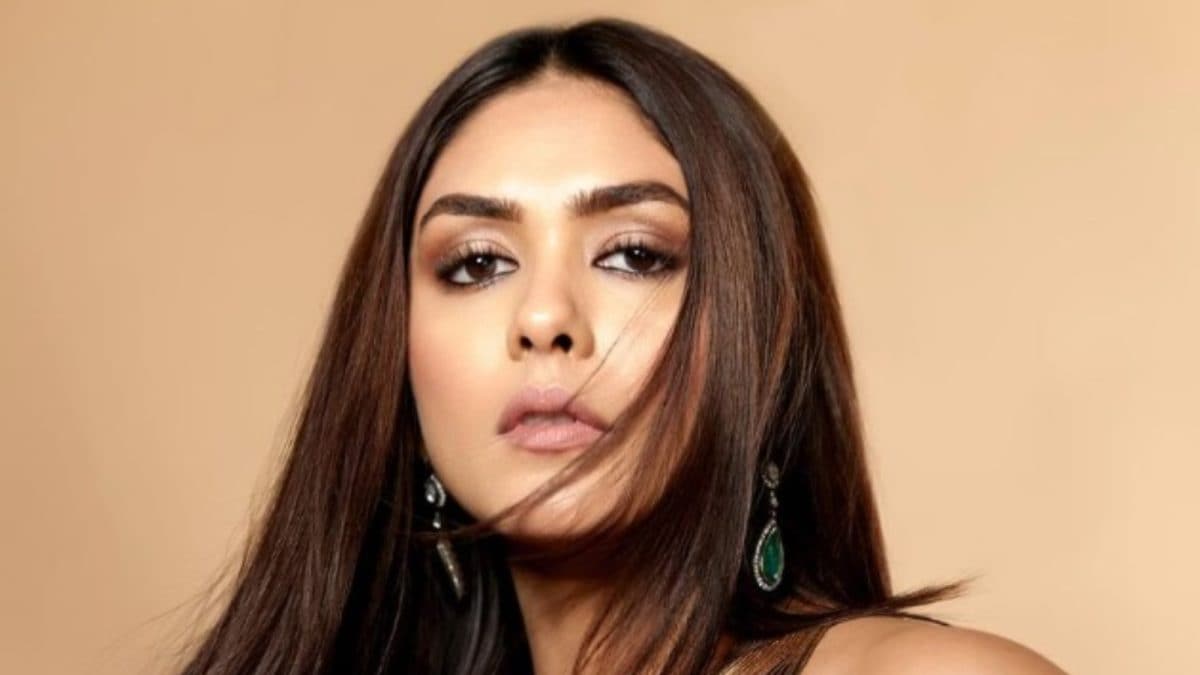
Yesterday I went to the cinema to watch Dacoit, the new action drama that has Mrunal Thakur sharing screen space with Adivi Sesh. The film is already creating a buzz because the reviews are mostly positive, and I could see why – the storyline feels gritty, the background music matches the mood, and the performances are surprisingly raw. While waiting for the intermission, I caught a glimpse of a short interview Mrunal Thakur gave to promote the film. She talked about her wish to take on “layered and unconventional roles,” especially those that show women as imperfect beings, not just fairy‑tale heroes. That instant, I felt a little shiver of excitement, because it is rare to hear a mainstream actress in Bollywood openly ask for more depth in her characters.
In that busy lobby, the chatter around me was a mix of people talking about the fight scenes and others nodding when Mrunal Thakur mentioned she is drawn to “flawed characters.” I think it is a sign of the times – our audiences are getting tired of the same sugar‑coated romances where the heroine is either a damsel in distress or a perfect love‑interest without any visible cracks. Even my neighbour in the next lane over, who works in a call centre, told me on the way home that the film’s trailer made her feel that finally, a story could be “real” for everyday women like her.
Why women‑centric scripts are still a rarity
During a Zoom conversation, Mrunal Thakur opened up about the state of women‑centric cinema. She said, "Not everybody is writing about the women out there. Maybe we need that one film to break those stereotypes." I could hear the frustration in her voice, but also a tone of hopeful determination. She reminded me of The Dirty Picture and Queen – two movies that managed to create a huge impact when they arrived, but they remain exceptions rather than the rule. In my own experience, I notice that most of the movies I watch on the weekend still revolve around male protagonists, while the female roles are often limited to a few song‑and‑dance numbers.
It made me think of the everyday scenarios in our own streets – a mother juggling a full‑time job and home chores, a sister who is the first in her family to graduate, a small‑town girl who dreams of a career in engineering. Yet, on the big screen, we seldom see these stories told with authenticity. Mrunal Thakur’s call for “flawed characters” resonates because it tells us that the industry needs to move beyond the glossy, idealised versions of womanhood and start showing women as they truly are – with ambitions, mistakes, strengths and vulnerabilities.
When I talk to my friend who works for a regional production house in Pune, she says they often struggle to find writers who are willing to explore such narratives. That is exactly why Mrunal Thakur’s words hit close to home – the problem is not just about who is starring, but who is penning the story in the first place. If writers and directors begin to view women as complex human beings, then the characters on screen will naturally start reflecting that complexity.
Hai Jawaani Toh Ishq Hona Hai – The upcoming rom‑com
On a lighter note, the same interview also touched upon the next big project that will have Mrunal Thakur teaming up with Varun Dhawan and Pooja Hegde. The film is called Hai Jawaani Toh Ishq Hona Hai, and from the title alone you can feel the fun, youthful vibe it promises. The promotional materials suggest it is a romantic comedy, and the excitement around it is palpable. I remember scrolling through Instagram the other day and seeing Varun Dhawan posting a picture with Mrunal Thakur, announcing that the first‑look teaser will drop on the 13th of this month. The picture also featured Pooja Hegde, and the caption hinted at “double the trouble, triple the fun.”
Fans, including myself, immediately started speculating about the possible plot. Some think it will be a typical college‑campus love story, while others hope it might have a twist because the cast includes a mix of seasoned comedians and newer faces. Whatever the case, the buzz is real, and it reminds me of the sheer joy when a new trailer drops and you replay it a dozen times while waiting for the film to release.
It’s also worth noting that the film’s release dates have seen a few changes. Earlier, the makers announced an April 10 release, then shifted it to 5th June, and now the latest word is that the first look will be out on 13th April. This sort of date shuffle is quite common in our industry, especially when promotions need extra time to gain traction. As a movie lover, I find this a bit stressful but also exciting – the waiting game becomes part of the overall experience.
First‑look teaser tease and fan reactions
When Varun Dhawan posted the teaser announcement, the comment section exploded. Many users wrote, "Can't wait!" while others shared GIFs of old Varun movies, hoping to see the same energy in this new venture. I joined the conversation too, typing a quick comment about how the colourful poster reminded me of the vibrant street markets of Delhi during Diwali. The fans seemed to appreciate the nostalgia factor, especially when they recognised the classic David Dhawan vibe that appears to be influencing the film's aesthetic.
Speaking of David Dhawan, the title Hai Jawaani Toh Ishq Hona Hai itself is inspired by the song “Ishq Sona Hai” from David Dhawan’s 1999 blockbuster Biwi No.1. That song still plays at many wedding receptions across India, and the line has become a part of our pop‑culture lexicon. By borrowing that tagline, the makers are clearly trying to invoke a sense of nostalgia while also promising a fresh, modern take on romance.
In everyday life, I notice how our younger generation often quotes lines from old Bollywood songs in casual conversations. When someone says “hai jawaani toh ishq hona chahiye” while chatting on WhatsApp, it instantly brings a smile. It’s this kind of cultural resonance that makes me think Hai Jawaani Toh Ishq Hona Hai might strike a chord with a broad audience, from college students to older viewers who grew up with the original Biwi No.1.
Who’s who in the film – a star‑studded ensemble
The movie is backed by Ramesh Taurani under the banner of TIPS, and it boasts an impressive ensemble. Apart from Mrunal Thakur, Varun Dhawan and Pooja Hegde, the cast includes Mouni Roy, Chunkey Panday, Maniesh Paul, Jimmy Shergill, Rakesh Bedi, Ali Asgar, Kubbra Sait, Rohit Saraf, Rajeev Khandelwal, Nitish Nirmal and Sreeleela. That’s a lot of talent packed into one project, and each name brings its own fan base.
When I look at the list, I can’t help but imagine how diverse the humour will be – Jimmy Shergill’s dry sarcasm, Ali Asgar’s slapstick comedy, and Maniesh Paul’s quirky timing could blend well with the youthful energy of Varun Dhawan and the fresh vibe of Mrunal Thakur. This mixture feels similar to the big family gatherings we have during festivals, where everyone brings a different dish, yet the overall feast is enjoyable.
Even the presence of seasoned actors like Rakesh Bedi and Rajeev Khandelwal adds a layer of credibility. In my view, having such a varied cast can make the narrative richer, and it aligns with Mrunal Thakur’s wish for more nuanced storytelling. If the script gives space for each actor to display a small flaw or a unique quirk, the film could become a great example of how an ensemble can shine together.
David Dhawan’s legacy – a backdrop to the new film
Talking about the inspiration from David Dhawan is inevitable when discussing Hai Jawaani Toh Ishq Hona Hai. David Dhawan has directed over 45 films, including hits like Aankhen, Biwi No.1, Judwaa, Coolie No.1, Hero No.1, Deewana Mastana, Shola Aur Shabnam, Raja Babu, Bade Miyan Chote Miyan, Haseena Maan Jaayegi, Dulhan Hum Le Jayenge, Mujhse Shaadi Karogi, Maine Pyaar Kyun Kiya?, Partner, Chashme Baddoor and Main Tera Hero. Those movies are still remembered for their over‑the‑top comedy, catchy songs and colourful sets.
When I watched a few of David Dhawan’s classics with my family last weekend, I saw how his style still appeals to both the older generation and the kids. The comedic timing, the exaggerated situations and the music are all part of a formula that seems to work across decades. If Hai Jawaani Toh Ishq Hona Hai manages to capture a slice of that charm while also offering fresh characters – especially the kind of flawed female lead that Mrunal Thakur dreams of – then it could become a bridge between the old and the new.
In many ways, the film’s title itself is a homage, and the audience’s expectations are already painted with a faint colour of nostalgia. It’s interesting how a single word like “Ishq” can make people think of both classic love stories and contemporary rom‑coms. That dual feeling could be the secret sauce for the movie’s success.
Personal takeaways – why this matters to me
As someone who grew up watching Bollywood movies on a small CRT television, I have seen the evolution from the days of “Mere Sapno Ki Rani” to the modern, fast‑paced narratives of today. Yet, the gap in women‑centric storytelling has always been there. Hearing Mrunal Thakur say she wants to play a flawed character felt like a breath of fresh air. It reminded me of my own childhood when I used to imagine myself as the heroine of a story, not just a side character.
When the teaser drops on 13th April, I’ll probably be glued to my phone, replaying it over and over, trying to spot subtle hints about the storyline. If the film delivers on the promise of a fun rom‑com while also giving Mrunal Thakur a chance to showcase a realistic, imperfect woman, then it could be a game‑changer for many aspiring actresses who want more than just the stereotypical roles.
In the end, cinema is a reflection of society, and the more authentic stories we tell, the more we help shape a progressive mindset. Mrunal Thakur’s call for “more authentic and diverse narratives for women” is not just a statement; it’s a challenge to all of us – writers, directors, producers, and even the audience – to demand better, to appreciate depth, and to enjoy the colourful tapestry that Indian cinema can become when we let every voice be heard.