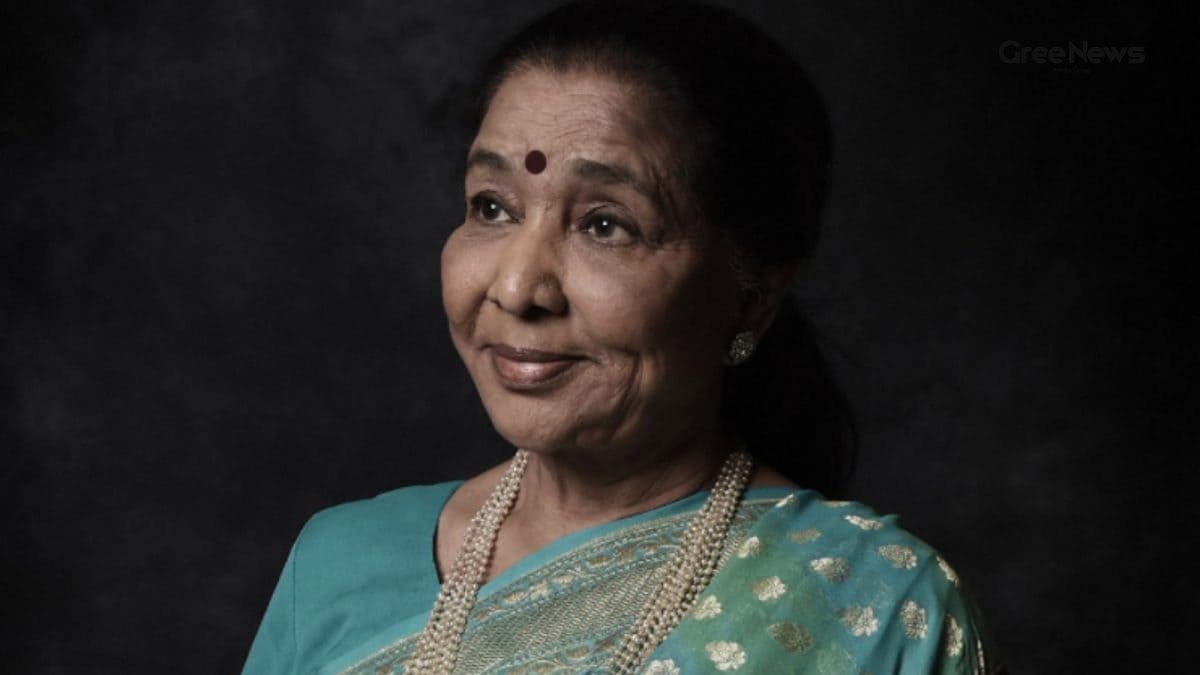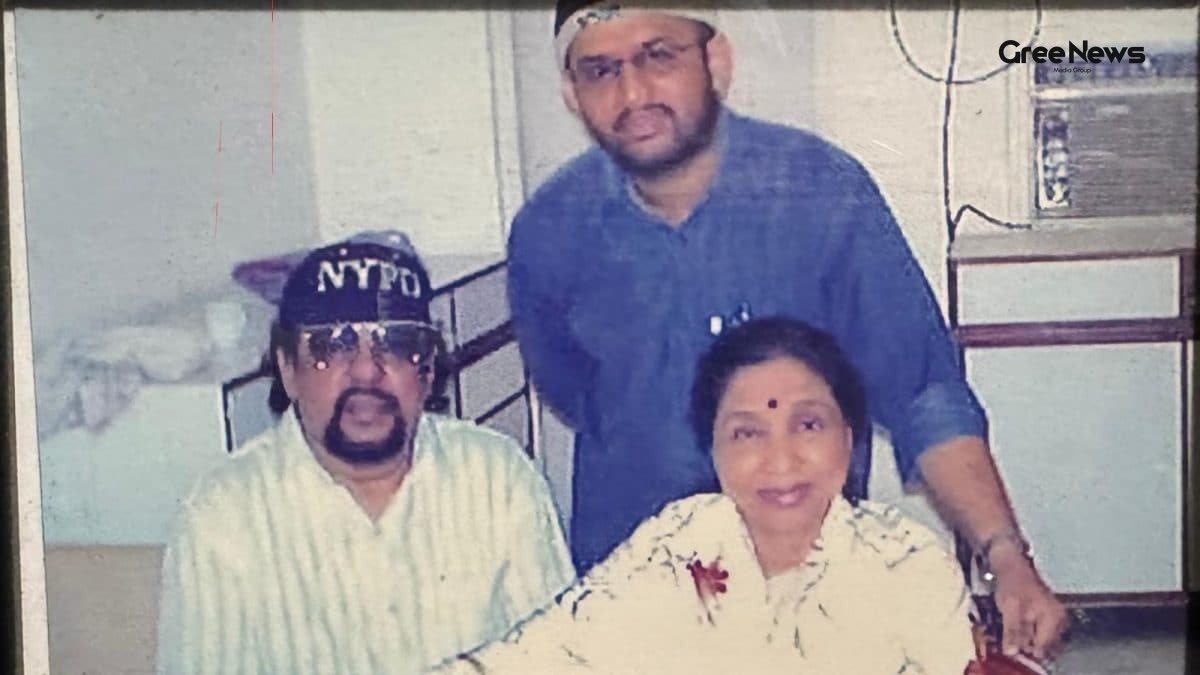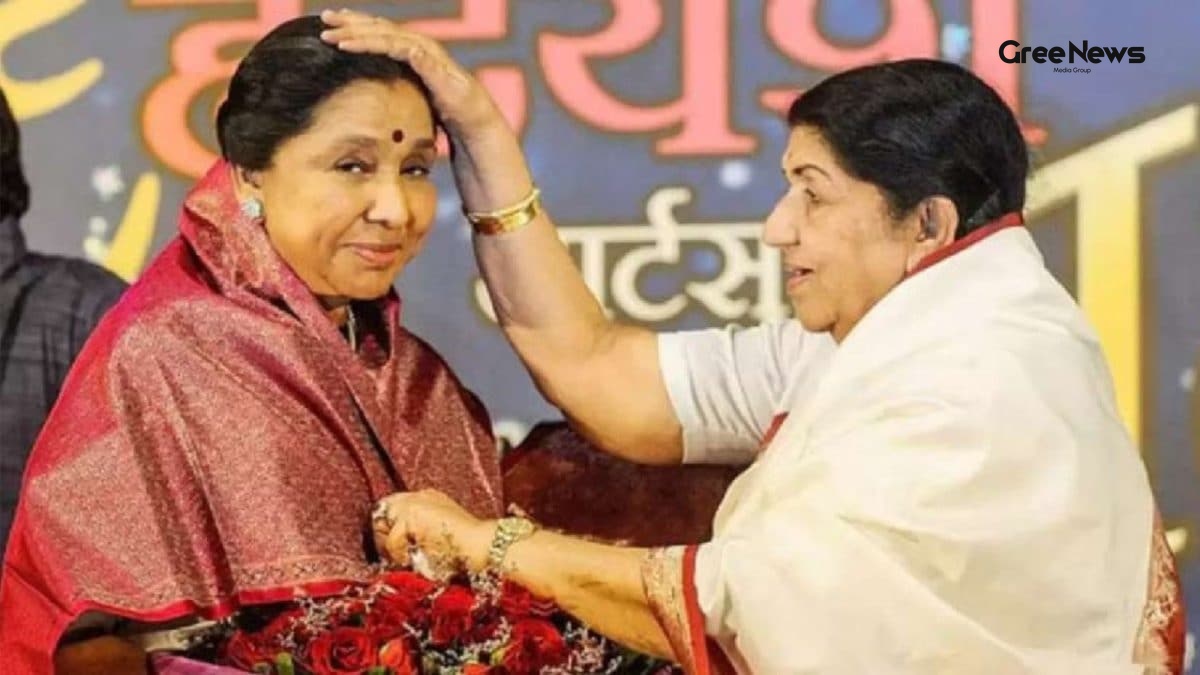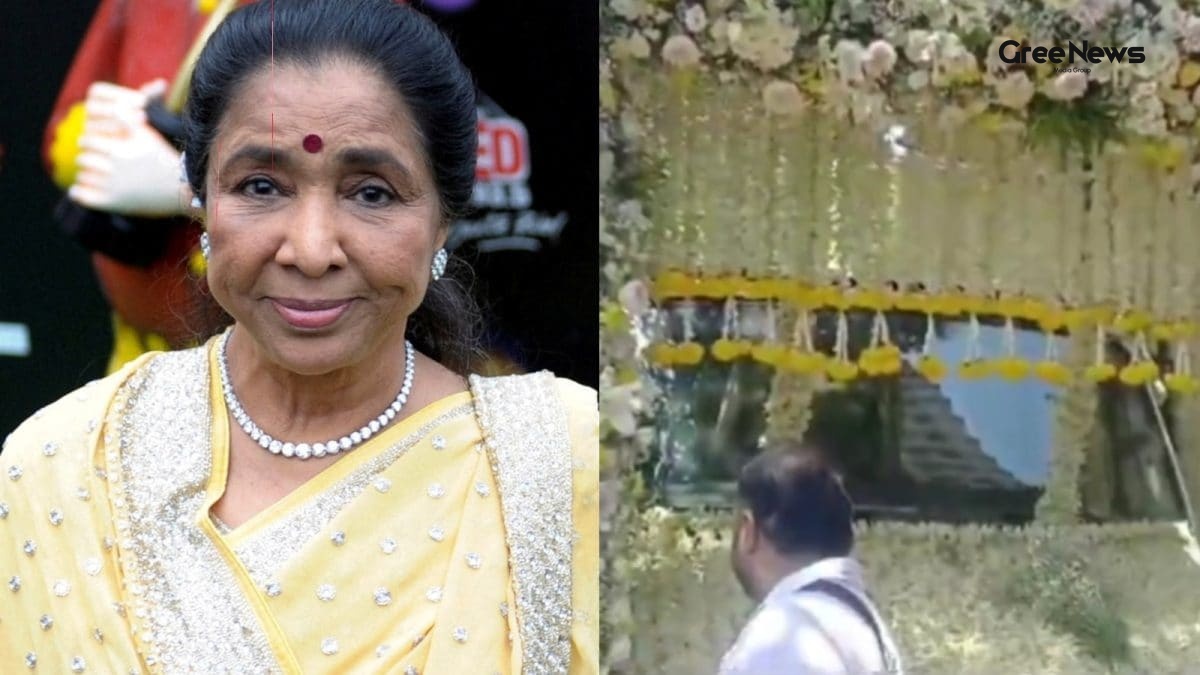
Asha Bhosle funeral: Mumbai Police deploys over 1,000 personnel as the singer’s flower‑decorated cortege moves for last rites at Shivaji Park.
When I first heard about Asha Bhosle’s passing in the breaking news, I was stunned. I mean, the very thought that the voice that sang us through rain‑soaked monsoons and festive diwali nights was leaving us felt surreal. The story kept popping up in the latest news India, and soon every street corner in Mumbai seemed to echo with the same question – how would the city say goodbye to such a legend?
What happened next is interesting: the city’s authorities swung into action, laying out a massive operational plan that reminded me of the kind of security we see for big cricket finals. Over 1,000 personnel from Mumbai Police were on standby, and they weren’t just any officers – senior officers, traffic controllers, and even a few volunteers from local neighbourhoods joined the effort. Basically, the whole plan was to make sure the cortege could glide smoothly from Lower Parel to Shivaji Park in Dadar without any hiccups.
Security Details That Made the Whole Process Seamless
Now, you know how chaotic Mumbai traffic can be, especially during rush hour. Imagine a massive motorcade weaving through that – it could turn into a nightmare. That’s why Mumbai Traffic Police introduced special route diversions and restrictions. They even blocked a few side streets that usually buzz with local vendors selling chai and samosa. The idea was to create a clear corridor for the cortege, while also guiding the huge crowd of mourners to safe viewing points.
Honestly, seeing the sheer number of uniformed personnel was a sight to behold. There were officers with radios, ones directing traffic, and a few standing guard outside the public homage area. In most cases, the crowd behaved respectfully, but a few enthusiastic fans tried to get closer, and the officers gently guided them back. It felt like watching a well‑orchestrated Bollywood dance where every step is planned, yet the emotion is genuine.
If you were walking past the route, you’d hear snippets of Asha Bhosle’s songs playing from mobile phones and street speakers – a spontaneous tribute that added to the solemn yet celebratory vibe. This caught people’s attention and made the whole procession feel like a moving concert of remembrance.
Final Rites With Full State Honours
The cortege finally rolled into Shivaji Park, and the atmosphere shifted from bustling city streets to a more somber, reverent setting. The park, which is usually a place for morning walkers and cricket practice, turned into a massive gathering spot. Asha Bhosle’s mortal remains were placed on a vehicle draped with white flowers – a visual that, to many of us, symbolises purity and the end of a beautiful chapter.
State honours were promised, and they were delivered with the kind of dignity you see reserved for national heroes. The ceremony at the Late Bhagoji Baluji Keer Hindu Shamshan Bhoomi began with the playing of the national anthem, followed by a minute of silence. Many people in the crowd – from senior citizens to school‑going children – bowed their heads, some even shedding tears. It felt like the whole of Mumbai, and indeed the nation, was taking a collective breath.
As the flames rose, the scent of incense mingled with the salty sea breeze from nearby Marine Drive. It was a sensory reminder that Asha Bhosle’s legacy is as deep‑rooted as the city’s own cultural fabric.
Public Homage and Dignitaries Who Paid Their Respects
Before the cortege left for Shivaji Park, Asha Bhosle’s mortal remains were kept at Asha Bhosle’s Lower Parel residence. The house was opened for public homage from mid‑morning till the early afternoon. A steady stream of fans, admirers, and prominent personalities queued up, each clutching a flower or a handwritten note.
Among those present were Uddhav Thackeray, who, with his signature calm demeanor, offered a heartfelt statement about Asha Bhosle’s contribution to Indian music. Just as the crowd tried to catch a glimpse of Uddhav Thackeray, Mayor Ritu Tawde arrived with a floral garland, emphasizing the cultural importance of the event for the city.
The list didn’t stop there. Cricket legend Sachin Tendulkar stood quietly, his eyes reflecting the same respect he showed on the field. Actor Riteish Deshmukh, known for his flamboyant roles, appeared visibly moved, and composer A. R. Rahman, who once sang alongside Asha Bhosle, placed a hand on her framed photograph and whispered a few verses from one of their duets. Many people were surprised by this quiet moment, as A. R. Rahman’s presence added a layer of artistic reverence to the proceedings.
Fans kept chanting Asha Bhosle’s name, and you could hear verses from “Piya Tu Ab To Aaja” and “Dum Maro Dum” echoing through the lanes. It made me realise how music can turn a simple gathering into an emotional thunderstorm.
Nation Mourns a Musical Legend
Asha Bhosle’s passing has turned into a trending news India story that has dominated channels, social media feeds, and even the office watercooler conversations. The cause of death was reported as multiple organ failure after a chest infection that landed Asha Bhosle in Breach Candy Hospital. Although I wasn’t at the hospital, the reports in the viral news painted a picture of a dignified battle fought with the same grace that defined Asha Bhosle’s career.
Tributes kept rolling in, from politicians to everyday folks, each sharing a favorite memory or a line from a song that changed their life. One man on a YouTube comment thread wrote, “I grew up listening to Asha Bhosle’s lullabies; she sang us to sleep and woke us up with hope.” Another user on WhatsApp forwarded a short video of A. R. Rahman singing a snippet of “Awaara Hoon” as a tribute – that clip alone turned into one of the most shared pieces of viral news this week.
Many people were surprised by how many youngsters, who might not have grown up with cassette tapes, are now discovering Asha Bhosle through streaming platforms thanks to the trending news India push. It’s like a bridge across generations, connecting the old gramophone era with today’s digital streaming age.
The scale of the funeral arrangements – from the massive police presence to the state honours – underscores how deeply Asha Bhosle was woven into the cultural DNA of India. In most cases, it felt like the entire country was standing together, a single heartbeat echoing the rhythm of one of its most beloved singers.
Personal Reflections on a Shared Loss
Honestly, I found myself replaying some of Asha Bhosle’s most iconic songs in my head while watching the live coverage. It reminded me of rainy evenings when my mother would hum “Chura Liya Hai Tumne” while cooking. Now, those same melodies have become a soundtrack for mourning. It’s strange how a piece of music can carry both joy and sorrow, and Asha Bhosle’s voice has always been that kind of paradox.
When I saw the crowd at Shivaji Park, I thought about the countless festivals, weddings, and even road‑trip playlists where Asha Bhosle’s tracks were a constant companion. The sheer number of people gathered – families, youngsters, senior citizens – proved that Asha Bhosle’s impact was not limited to any age group. This is something that the breaking news highlighted repeatedly, and it made me realise that the singer’s legacy is as timeless as the city’s own rhythm.
While the funeral procession might become a footnote in the vast catalog of India updates, for many of us it will remain a personal memory – a moment where we collectively said goodbye to a voice that narrated the soundtrack of our lives.