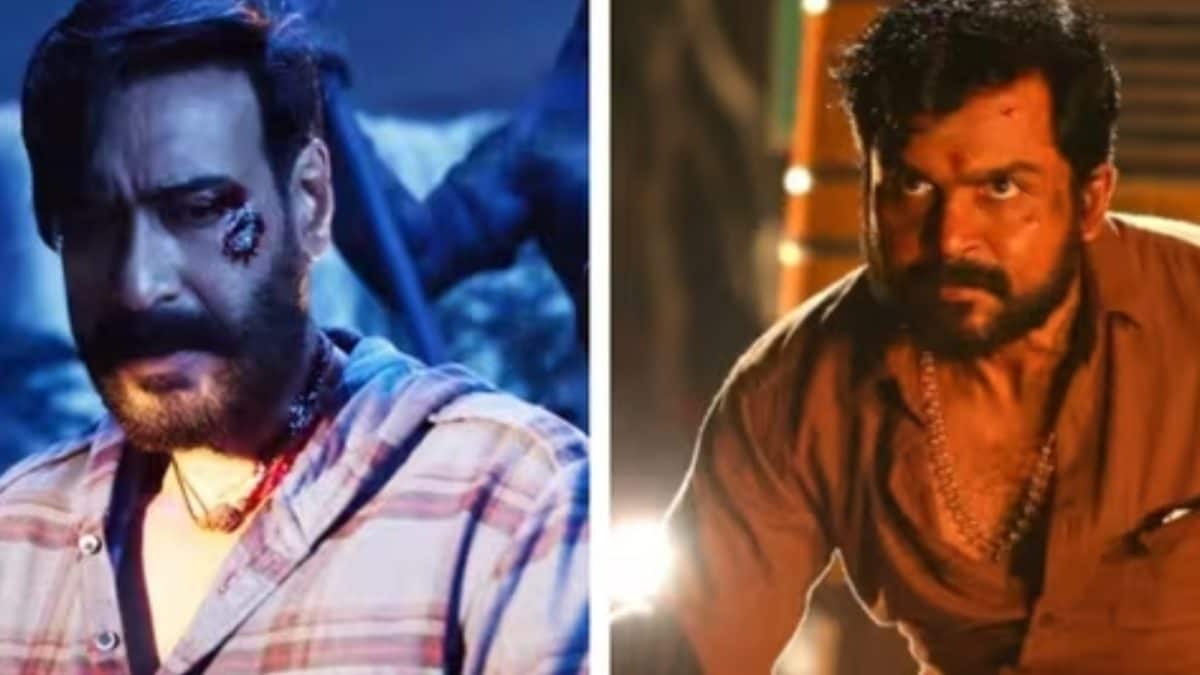
How I got drawn into the Bholaa‑Kaithi legal saga
Honestly, I never thought I would be the sort of person who follows movie‑related court cases. But the more I heard about the fight between Dream Warrior Pictures and the big production houses over Bholaa, the more I realized it was something that touched on a lot of things I care about – money matters, creative rights and even the way the film industry is evolving in India. So, I started reading the updates on legal blogs, watching a few news clips, and even asking my cousin who works in a production house for his take. What began as a passing curiosity soon turned into a full‑blown story that I kept checking every few days.
Background: From Kaithi to Bholaa
Let’s start with the movies, because if you don’t know the films, the whole dispute feels a bit abstract. Kaithi was a Tamil action thriller that hit the screens a while back, starring Karthi. It was directed by Lokesh Kanagaraj, who later went on to create a whole cinematic universe that includes titles like Vikram and Leo. The film’s gritty storytelling and raw energy made it an instant hit, and soon there were talks about a Hindi remake.
Enter Bholaa – released in 2023 with Ajay Devgn not only in the lead role but also taking charge as director and producer. Bholaa is officially the Hindi adaptation of Kaithi, and while it carries the same intense vibe, it has a distinctly Bollywood flavour. The movie did decent business and, more importantly for this story, it set the stage for a complex web of aGreements between different production houses.
The tripartite aGreement that sparked the dispute
After Bholaa’s release on the last day of March 2023, three entities – Dream Warrior Pictures, Reliance Entertainment, and Ajay Devgn Ffilms LLP – sat down and signed a tripartite aGreement on the first of April 2023. In simple terms, this document laid out how the rights and the money would be divided. It mentioned two instalments that were supposed to be paid to Dream Warrior Pictures – one on 29 April 2023 and the other on 29 May 2023.
According to the producers of Kaithi, these instalments never arrived. They kept sending reminders throughout 2023 and even into 2024, but no answer came back. Imagine trying to get a friend to pay back the money you lent them for a movie night, only to be met with silence for months. That’s pretty much what Dream Warrior felt.
Frustrated, they finally sent a legal notice on 28 October 2024 demanding a sum of ₹4 crore, along with interest. The notice warned that if the payment wasn’t made within 30 days, the aGreement could be terminated and the rights to the remake would revert back to Dream Warrior Pictures.
Why the case landed in Mumbai, not Chennai
Now here’s where the jurisdiction drama begins. When Dream Warrior filed the suit, Reliance Entertainment and Ajay Devgn Ffilms argued that only courts in Chennai had the authority to hear the case because the original Tamil film Kaithi was made there. It sounded logical, but the reality is a bit more tangled.
Both parties had signed the aGreement in Mumbai, and a significant amount of the financial transactions and communications also flowed through the city. Dream Warrior insisted that because the dispute involved money and rights that were being exercised in Hindi cinema, which is primarily based in Mumbai, the Bombay High Court should have jurisdiction.
The argument was not just about geography; it was about where the business actually happened. And the Bombay High Court, led by Justice Sharmila Deshmukh, seemed to aGree with that viewpoint.
The Bombay High Court’s decision
On a recent hearing, Justice Sharmila Deshmukh delivered the order. She rejected the defendants’ claim that only Chennai courts could handle the matter. In her words, the Bombay High Court does have the jurisdiction to hear the suit brought by Dream Warrior Pictures against Reliance Entertainment and Ajay Devgn Ffilms over the Bholaa remake.
This decision essentially clears the path for the case to move forward in Mumbai. The next hearing is set for the end of the month, specifically on the 30th. It’s a big win for Dream Warrior, at least in terms of procedural progress.
What’s interesting is that the court didn’t dive deep into the merits of the financial dispute yet; it simply decided that it could hear it. That means we can expect more detailed arguments about the unpaid dues, the interest, and the potential re‑version of rights in the upcoming hearings.
What does this mean for the parties involved?
For Dream Warrior Pictures, the order is a sign that their claim is being taken seriously. They can now push for the payment of the ₹4 crore and possibly get the rights back if the aGreement is terminated. For Reliance Entertainment and Ajay Devgn Ffilms, the decision is a setback. They will now need to defend their stance in the Mumbai court, which could involve presenting evidence of payments or perhaps contesting the amount claimed.
On a practical level, the ruling might also affect the distribution of Bholaa. Dream Warrior has asked the court to halt the film’s distribution until the financial issues are sorted. If the court grants that request, we could see the movie being pulled from screens, something that would be quite noticeable in theatres across the country, especially in smaller towns where Hindi dubs dominate.
Wider implications for the Indian film industry
Beyond the two companies, this case touches upon a larger theme – how film rights are negotiated and enforced in India’s booming multi‑language market. With films being remade across languages more often than ever, the question of which court has jurisdiction can become a recurring issue.
Imagine a scenario where a Malayalam movie gets a Telugu remake, and there’s a disaGreement over royalty payments. If parties start filing suits in different states, the courts will need to develop clear rules. The Bombay High Court’s stance here could set a precedent that courts in the hub of Bollywood can handle disputes related to Hindi remakes, even if the original film is from another region.
Also, the fact that the case involves big names like Ajay Devgn adds a layer of public interest. Fans often discuss such disputes on social media, and a ruling can sway public opinion about fairness and the treatment of smaller production houses versus big studios.
My personal takeaways
Watching this unfold, I can’t help but think about the everyday person who invests in a small film production, hoping a big studio will honour its promises. The delay in payments, the ignored reminders, and finally a legal notice – it all sounds painfully familiar to many of us who have faced late salary payments or unpaid dues in other industries.
Another thing that struck me is how location matters in our legal system. I once had to travel from Pune to Mumbai for a property case because the court there had jurisdiction. It felt unnecessary, but it was the law. Similarly, this film case shows that even in the creative world, the legal map can be quite complex.
Lastly, I think about the fans. If Bholaa gets pulled from theatres because of this case, it would affect people who enjoyed the movie, especially those in tier‑2 and tier‑3 cities where Hindi versions are often the only option. It’s a reminder that behind every headline, real‑world consequences ripple out to ordinary people.
Looking ahead
The next hearing on 30th of this month will likely dig deeper into the financial details – how much exactly is owed, how interest is calculated, and whether the aGreement can indeed be terminated. I plan to keep an eye on the news, and maybe even check the court’s website for updates.
If Dream Warrior gets the ₹4 crore plus interest, it could set an example that studios must respect payment schedules. If the court sides with Reliance and Ajay Devgn, it might signal that there’s some flexibility in interpreting the aGreement.
Either way, this case is more than just about one movie. It’s a window into how the Indian film industry manages cross‑language adaptations, the importance of clear contracts, and the role of our courts in settling disputes that affect both big studios and smaller producers.