From coolcations in the hills to an Eastward shift in international travel, Indian vacation planning is becoming more intentional, flexible and deeply personal this summer.
Honestly, when I first thought about the upcoming summer holidays I was still scrolling through the latest news India feeds, looking for any hint of weather updates or travel advisories. But what really caught my eye wasn’t a storm warning it was the sheer amount of buzz around personalised trips. It felt like a wave of breaking news that everyone was talking about, and I thought, "why not join the conversation?" So, I started mapping out my own break, syncing my leave calendar with my partner’s, and making a list of places that would actually make us feel relaxed.
What happened next is interesting instead of booking a random flight, I began scouting destinations the way I would pick a new dish at a street food stall. I asked friends, I read trending news India articles, and I even checked out some viral news videos where people shared their own summer stories. The result? A plan that feels less like a rushed itinerary and more like a carefully curated experience that matches our moods.
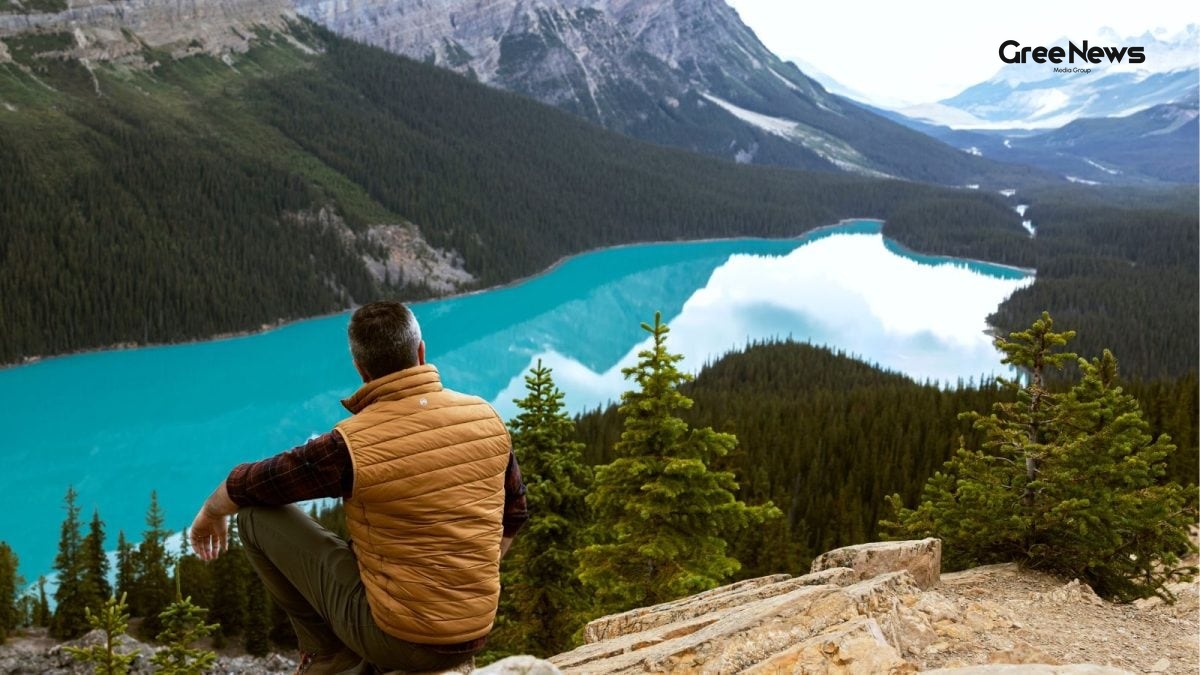
In most cases, the idea of a "coolcation" a short, cool‑climate getaway has become the go‑to solution for beating the sweltering heat in the plains. I recall my cousin from Bengaluru saying she was heading to Ooty for a week, and she swore by the fresh air and the misty mornings. That little anecdote sparked my curiosity about which hill stations are actually trending and why they are topping the search charts.
According to Booking.com’s Travel Predictions, we are now living in the “Era of You”. Indian travellers, myself included, are leaning into this idea with gusto. Instead of cramming a packed schedule of crowded attractions, we are now opting for trips that genuinely reflect what we want whether it’s slowing down, trying something new, or simply escaping the heat. This shift is evident both in domestic travel patterns and in the growing interest for Asian destinations.
Domestic Travel: A Diverse Mix Defines Summer
When I talked to my office mates about where they’d like to go, the answers were surprisingly varied. Some were fixed on the classic hill stations Ooty, Darjeeling, Munnar, and Manali because the idea of sipping hot tea while looking at foggy valleys feels like the ultimate summer antidote. Others were drawn to spiritual get‑aways Rishikesh and Varanasi made a noticeable jump in popularity, moving up from lower ranks to the top‑five in a short span. It’s not just about the scenery; it’s about the inner peace they promise.
My sister, who works as a yoga instructor, told me she’s planning a week‑long retreat in Rishikesh. She said the surge in searches for Rishikesh (from #9 to #4) and Varanasi (from #28 to #13) shows a widening interest in faith‑led travel, something I never imagined would become such a mainstream summer plan.
And then there’s the cultural side of things. Friends from Jaipur nudged me to explore the pink city’s heritage walk, while a few of my college buddies are eyeing Udaipur for its lakeside charm. Of course, the coastal favourites Goa and Puducherry continue to draw crowds who want a beach vibe with good food and music.
Here’s a quick snapshot of the top ten most searched domestic destinations for Indian travellers between May and June 2026, based on accommodation search data:
● Mumbai
● Bengaluru
● Ooty
● Darjeeling
● Rishikesh
● Munnar
● New Delhi
● Manali
● Chennai
● Hyderabad
Seeing these names in the list made me think what if we combine a city break in Mumbai with a quick hill‑station retreat? That kind of blended travel is becoming the norm, and it’s definitely part of this summer’s trending news India.
International Travel: The Eastward Shift
Now, let’s talk about the eastward tilt that’s been making waves in the travel community. While Europe still holds the charm of places like London and Paris, there’s an unmistakable buzz around Asian destinations. In fact, eight of the top ten most searched international spots now sit within Asia. That’s a massive shift and, frankly, a piece of viral news that many didn’t predict a few months back.
Japan, in particular, is stealing the spotlight. Talk about a surprise Tokyo leads the list with a 30% jump in searches compared to the previous year. Osaka and Kyoto followed suit, each climbing higher on the rankings. I remember a friend who went to Tokyo last winter and came back raving about the seamless blend of tradition and technology. He said the city’s vibe made him feel like he was living in a futuristic movie, which is why it’s now on so many people’s bucket lists.
The surge isn’t limited to Japan. Thailand’s Bangkok, Singapore, Malaysia’s Kuala Lumpur, and Indonesia’s Bali (specifically Ubud) are all seeing increased interest. Even Vietnam’s Phu Quoc and South Korea’s Seoul are gaining traction. The common thread? These places offer a mix of culture, cuisine, shopping, and, of course, beaches perfect for an Indian traveller looking for a balanced holiday.
Here’s the rundown of the top ten most searched international destinations for Indian travellers between May and June 2026, based on accommodation search data:
● Tokyo
● Singapore
● London
● Bangkok
● Paris
● Ubud
● Osaka
● Kuala Lumpur
● Kyoto
● Phu Quoc
Many people were surprised by how quickly Asian destinations edged out some traditional European favourites. It’s not just the lower flight costs it’s also about the new experiences that resonate with our own cultural tastes, spicy food cravings, and the desire for relatively short travel times.
Alternative Stays: Travel, But Make It Personal
When I started looking at accommodation options, I realized the usual hotel rooms just weren’t cutting it for my family’s needs. That’s when the search for “homestays” blew up they topped the list, followed closely by guest houses, apartments, bed and breakfasts, and villas. This trend tells a bigger story about how Indian travellers want more privacy, flexibility, and spaces that feel like a home away from home.
Take my cousin’s experience in Ubud, for example. She booked a homestay instead of a resort, and she mentioned how the host’s family welcomed them with local delicacies and even taught them a few Balinese phrases. That personal touch made her trip memorable, and it’s exactly the kind of story you see popping up in viral news feeds.
Many families are now opting for villas that come with a private pool, while groups of friends are choosing apartments that allow them to cook their own meals a huge plus when you’re trying to stick to a budget or need specific dietary options. Guest houses in places like Rishikesh are also becoming popular because they often provide yoga sessions and meditation spaces, aligning with the spiritual vibe many travellers are after.
All of this points to a bigger shift we’re moving from generic, one‑size‑fits‑all stays to experiences that feel tailor‑made. It’s a subtle, yet powerful, piece of breaking news within the travel sector, and it reflects how the Indian traveller is becoming more discerning.
So, what does all this mean for someone like me planning a summer break? In short, it means I have a menu of choices that can be mixed and matched to suit my mood, budget, and the kind of memories I want to create. I could start with a quick weekend in Mumbai, then hop up to Ooty for a coolcation, and finish with a long weekend in Tokyo staying at a cosy homestay. The possibilities feel endless, and that’s exactly the excitement that makes this piece of trending news India feel so relevant.
If you’re reading this and wondering where to go, my advice is simple: think about what you truly want from a holiday. Is it tranquility in the hills? Spiritual nourishment? A cultural adventure in Asia? Once you pin that down, the rest falls into place just like I did, and many others are doing right now.
Remember, the era of spontaneous, packed itineraries is fading. The new normal is thoughtful, personalised travel that aligns with our own rhythms. And as more Indian travellers like us share our stories on social platforms, this shift will only grow stronger, creating a ripple of the latest news India that’s both personal and collective.