From vineyard stays to wine festivals, Nashik’s wine culture is evolving into a full-fledged lifestyle experience, blending tourism, sustainability, and modern travel trends.
Honestly, when I first heard about Nashik turning into a wine hotspot, I thought it was just another piece of breaking news that would fade away. But after a weekend road‑trip with a few friends, I realized this was more than a headline. It felt like stepping into a whole new world where every glass of wine tells a story, and the whole region is buzzing with the kind of energy that usually belongs to bigger metros.
What really caught people's attention was how the place is not just about drinking wine anymore. It's an entire experiencesomething that the locals themselves proudly call an "intersection of agriculture, tourism, and aspiration." As Shreyas Kudalkar, Owner of Kings Hotel & Resort, puts it, Nashik today represents a unique blend of all these elements, and I could see that in the way the vineyards were set up, the food was served, and the stories were narrated.
My First Vineyard Stay A Weekend That Felt Like a Film
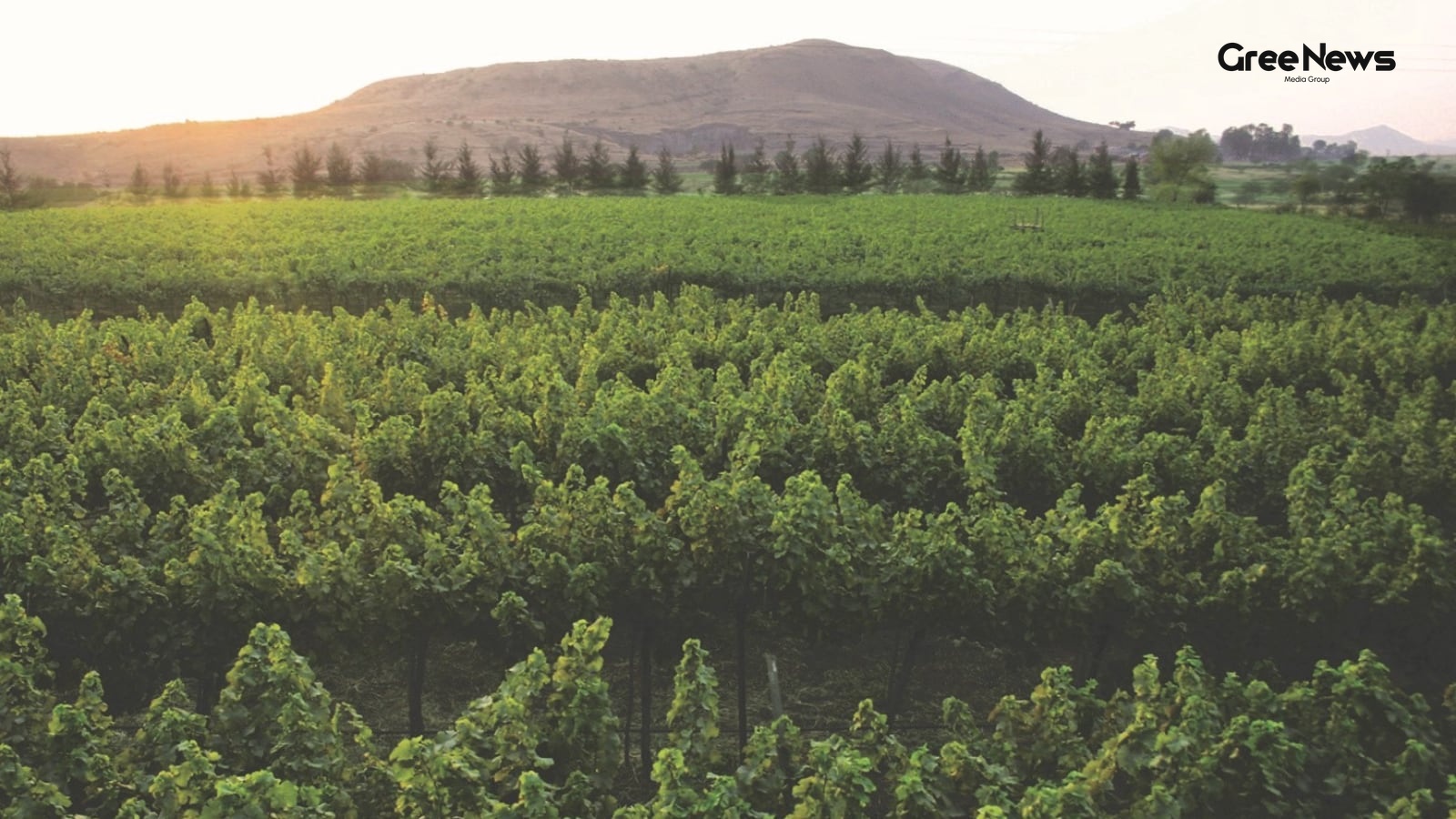
Picture this: I pull up to a sprawling estate just outside Nashik, the kind where you can see rows upon rows of Green vines stretching toward the horizon. The air smells faintly of grapes and earth, and there’s a gentle hum of occasional tractors. I was staying at Kings Hotel & Resort, and the moment I stepped into my room that opened directly onto a vineyard, I felt the whole concept of "wine‑curious" suddenly become personal.
During the first morning, we were taken for a guided walk through the vines. The guide, a middle‑aged man who grew up on the farm, talked about soil pH, the monsoon's role in shaping the flavour, and how they experiment with different grafts each season. It was like listening to a friend who just loves sharing his hobby. This kind of storytelling, combined with actual tasting of fresh grape juice straight from the vine, made the experience feel immersive.
In most cases, tourists just book a wine tasting and call it a day. Here, the stay was designed around the vineyard, with breakfast featuring farm‑to‑table dishes such as millet upma paired with a light rosé. Even the evening bonfire was set among the vines, and we sipped on a barrel‑aged red while a local artist painted the surroundings. It was clear that Nashik is not just selling a bottle; it’s selling a moment, a memory.
Stories From the Winemakers Crafting More Than Just a Drink
What really makes the whole vibe special is hearing directly from the people behind the bottles. I got a chance to sit down with a winemaker from Sula Vineyards, the brand that many credit for putting Indian wine on the map. He told me that earlier, Sula was seen as a niche product, something only the elite would touch. But over the years, they pushed a narrative of sustainabilityusing solar power, rainwater harvesting, and promoting organic farming practices.
This shift resonated with many travellers I met on the road; they were eager to support brands that cared about the environment. It reminded me of a recent viral news story about eco‑friendly tourism gaining traction across the countrysomething that keeps popping up in the trending news India feeds.
Another winemaker, who runs a boutique label on the outskirts, shared how they weave local folklore into each label design. Each bottle tells a tale of a ancient deity or a historic battle that happened near the vines. This storytelling approach is turning wine bottles into conversation starters at dinner tables, and that’s a powerful way to keep the culture alive.
The Role of Sula and Other Wineries Making Wine Approachable
If you have been following the latest news India on lifestyle trends, you might have noticed how Sula Vineyards has been front and centre during the last few years. Their aggressive marketingwine festivals, music concerts, and even yoga sessions amidst the vineshas transformed wine from a niche indulgence into an aspirational lifestyle choice.
Ajit Balgi, Founder of The Happy High Bar Consultants, often mentions that the transformation of Nashik from a purely religious hub to what many now call India’s wine capital didn’t happen overnight. It took years of consistent effort, and a lot of collaborative work between wineries, the government, and tourism boards.
Besides Sula, there are several other vineyards, each with its own unique flavour profile. The competition among them has led to a variety of wine stylesfrom crisp whites to robust redscatering to a spectrum of palates, which is why the "wine‑curious" crowd keeps growing. And trust me, after a few glasses, you start noticing subtle differences that make each sip a tiny adventure.
Location Advantage A Quick Getaway from Mumbai, Pune, and Gujarat
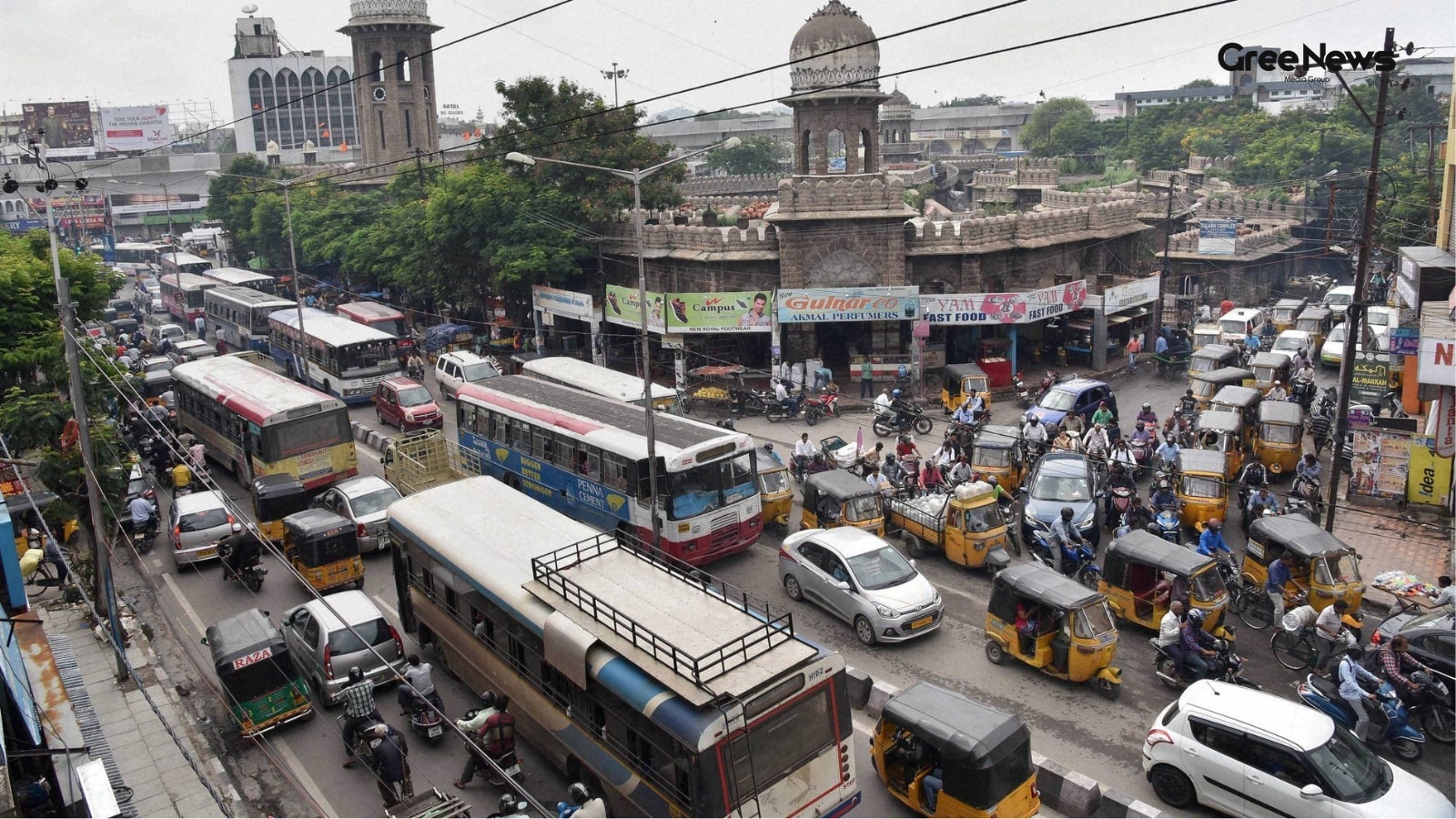
One of the biggest secrets behind Nashik’s boom is simply its location. It sits just a short drive away from Mumbai and Pune, and even reachable from Gujarat in a few hours. This proximity makes it an almost instinctive weekend escape for city dwellers craving a break from traffic and skyscrapers.
When I was on the road, I saw many families loading up their hatchbacks with picnic baskets and kids, all excited for a vineyard picnic. In the town, you could feel the buzz of tour operators handing out brochures that highlighted not just wine tours but also trekking routes, bird‑watching spots, and heritage walks. It’s the kind of blend that keeps travellers on their toes, always finding something new to explore.
Balgi points out that this accessibility, paired with a growing concentration of established vineyards, has turned Nashik into a magnet for the "wine‑curious" audiencepeople who might have never considered a vineyard visit before but now see it as a fun, educational, and tasty way to spend a weekend.
Sustainable Practices When Green Becomes the New Red
What surprised many visitorsincluding yours trulywas how seriously the vineyards take sustainability. I remember walking past a solar panel field that powered the bottling unit, and later hearing the winemaker explain that they reuse grape pomace in compost, which feeds back into the soil. That closed‑loop system is something you usually read about in environmental magazines, but here it's part of everyday operations.
This focus on Green practices aligns with a larger trend across India, where travellers are actively seeking eco‑friendly experiences. Even the accommodation at Kings Hotel & Resort uses rain‑water harvesting, and the restaurant sources its vegetables from their own organic farms. It's a holistic approach that makes every meal and every sip feel a little more meaningful.
When you combine the sensory pleasure of wine with the knowledge that you're supporting sustainable agriculture, the whole experience becomes richer. It’s no wonder that stories about Nashik’s eco‑friendly vineyards keep becoming baseline "viral news" pieces on social media platforms.
Festivals, Events, and the Immersive Culture
One thing that truly cements Nashik’s status as a lifestyle hub is its calendar of events. I happened to be there during the annual Sula Fest, which is part music concert, part food carnival, and part wine expo. The air was filled with the aroma of grilled kebabs, the sounds of indie bands, and the clink of glasses. It felt like an Indian version of a European wine carnival, but with the added spice of local culture.
Beyond the big festivals, there are smaller, curated events like "Vineyard Yoga Sundays" where you do sunrise yoga among the vines, followed by a light breakfast and a glass of chilled Sauvignon Blanc. These experiences are designed to be less transactional and more immersive, catering to people who want to slow down and truly soak in the ambience.
Every time I walked past a crowd gathering for a tasting session, I could feel the excitement bubblingmuch like the fizz in a freshly opened sparkling wine. The hosts always make a point to tell the story behind each sip, whether it's about the monsoon's impact that year or a new barrel aging technique they tried. It turns a simple tasting into an educational journey.
The Future Outlook Balancing Roots and Modern Aspirations
Looking ahead, the future of Nashik’s wine tourism seems poised for even more growth. The region is gradually adding more boutique wineries, and the local government is investing in better road connectivity and signage. This will likely attract not just weekend tourists but also international visitors looking for an off‑beat Indian experience.
Shreyas Kudalkar envisions a future where each vineyard might also host art residencies, culinary workshops, and even tech‑driven experiences like virtual reality tours of the fermentation process. If that happens, Nashik could become a full‑blown lifestyle destination where wine, art, technology, and sustainability intersect.
For me, the biggest takeaway is how a place once known only for temples can reinvent itself while respecting its agricultural roots. It’s a lesson in adaptability that many other Indian towns could learn from, especially as travel preferences continue to evolve.
So, next time you scroll through the latest news India feeds and see a headline about a new wine route opening, remember that there’s a whole story behind itone that I experienced first‑hand, and one that’s still unfolding right here in the vineyards of Nashik.