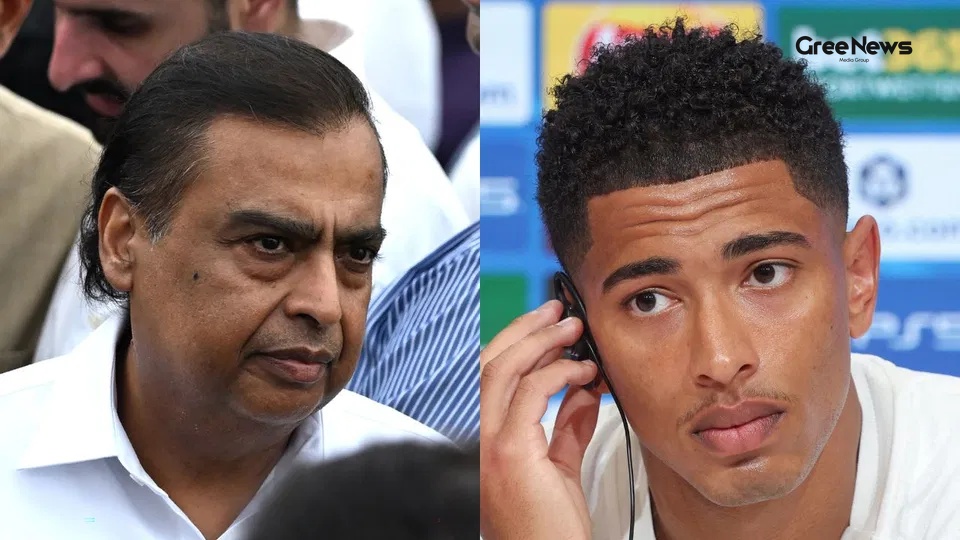
If you’re scrolling through the latest news India feeds and you spot a picture of Mukesh Ambani standing next to a footballer, you might wonder what on earth is going on. Turns out, it’s not a Bollywood promo but a genuine sports investment story that’s become breaking news in the cricket world.
Real Madrid’s midfield maestro Jude Bellingham has just hopped onto the cricket bandwagon by becoming a minority investor in Birmingham Phoenix, one of the eight franchises that compete in The Hundred. This “viral news” piece is already trending across social platforms, and it’s doing more than just filling headlines it’s sparking a fresh rivalry with Indian tycoons like Mukesh Ambani and Sanjiv Goenka, who are also pouring money into the league.
Bellingham Steps Into The World Of Cricket
Now, before you think that Jude Bellingham is simply buying a ticket to watch a game, let’s clear the air. He has actually bought a 1% share in Birmingham Phoenix. The club was valued at about £82 million during the latest investment round, so his slice of the pie is roughly £820,000. Not a massive chunk, but given the league’s valuation, it feels like a strong statement especially when you consider the league as a whole is now worth close to a billion pounds, according to the ECB.
What happened next is interesting: the majority of Birmingham Phoenix 51% stays with the host county Warwickshire, while the remaining 49% is split between commercial investors, most notably Knighthead Capital. This structure means that Bellingham’s stake, though small, sits alongside heavyweight financial players, making his name pop up in any discussion about the future of English domestic cricket.
Why This Little Stake Means a Lot
It might sound like a token investment, but the real value is symbolic. Jude Bellingham started his football career at Birmingham City, before moving to Borussia Dortmund and then Real Madrid. His connection to the city of Birmingham runs deep, and owning a piece of its cricket franchise feels like a homecoming of sorts. Imagine a local lad returning with a big‑league badge that’s the narrative fans are loving, and it’s fueling a lot of the buzz on Indian social media as well.
In most cases, investors look for a quick financial return, but Bellingham seems to be playing the long game. The Hundred is still young, but the injection of big‑name owners is helping it transition from a novelty competition to a stable, profitable sports product. Think of it as a cricket version of the Indian Premier League’s (IPL) franchise model a model that has turned ordinary clubs into global brands.
Cross‑Sport Interest: From Football Fields to Cricket Pitches
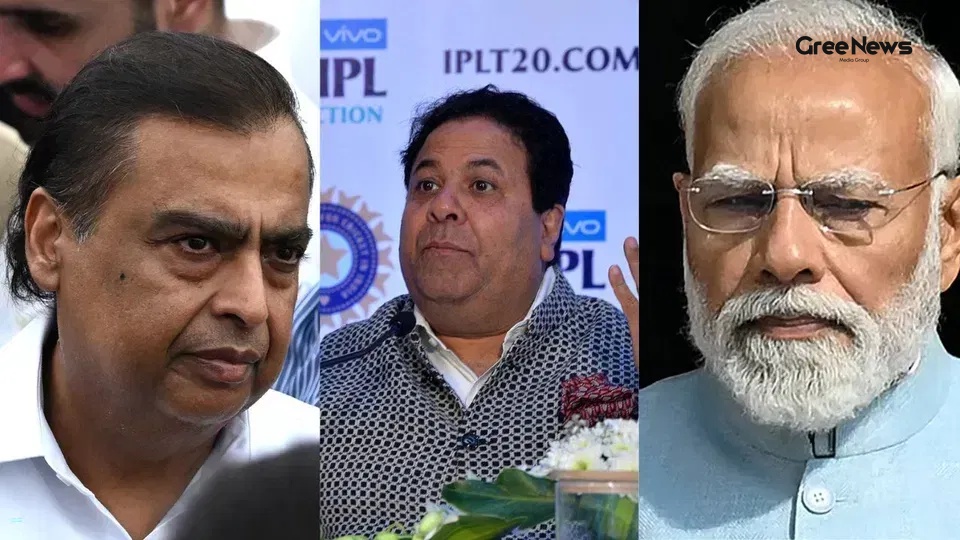
When you read about Bellingham’s name next to Mukesh Ambani, Sanjiv Goenka, and the likes of Reliance Industries, you realise we are witnessing a new kind of sports ecosystem. It’s not just about owning a team; it’s about owning a piece of the broader entertainment and media rights market.
Key investors in The Hundred already include Reliance Industries, RPSG Group, and Knighthead Capital. Their involvement isn’t merely about a love for the game it’s a strategic move to tap into broadcast rights, sponsorships, and the lucrative UK sports market. For Indian fans, this mirrors the way Indian conglomerates have turned the IPL into a year‑round revenue machine.
Actually, the league’s rebranding of teams like Manchester Super Giants and Sunrisers Leeds clearly echoes the IPL’s blueprint, where a brand can appear in multiple tournaments across continents. This “follow‑the‑sun” approach means a fan in Mumbai could cheer for the same franchise when they play in England, South Africa’s SA20, or even the fledgling Major League Cricket in the United States.
Investors’ Blueprint: The IPL Influence
The Hundred’s growth strategy leans heavily on the proven success of the IPL. In India, the IPL turned cricket from a seasonal sport into a year‑round spectacle, with merch, media rights, and local partnerships fueling a massive economic engine. The Hundred is trying to replicate that magic.
What’s more, investors are not just buying teams; they are buying into the England and Wales Cricket Board (ECB) ecosystem. That includes direct access to broadcast deals, commercial partnerships, and a foot‑in‑the‑door with UK’s sports sponsors. The aim is to evolve clubs from single‑tournament entities into global sports brands, much like how the Mumbai Indians are now a household name beyond India.
Grassroots Promise: £50 Million for the Future
One of the most heart‑warming parts of the latest investment round is the £50 million grassroots pledge. Ten per cent of the total money raised is earmarked specifically for recreational cricket things like upgrading local club facilities, supporting school‑level tournaments, and encouraging more kids to pick up a bat and ball.
This initiative is expected to make a real difference for the 18 first‑class counties, many of which have struggled financially for years. The infusion of cash will help them sustain operations, improve player contracts, and reduce dependence on ticket sales alone. For a country like India, where cricket is more than a sport, this commitment resonates strongly and could inspire similar models back home.
What This Means for Indian Investors and Fans
Many Indian readers are now wondering: why should we care about a 1% stake bought by a footballer? The answer lies in the growing convergence of sports markets. With figures like Mukesh Ambani already in the mix, and with Indian conglomerates eyeing overseas opportunities, the lines between football, cricket, and even entertainment are blurring.
For Indian fans, the story offers a fresh narrative a young English football star bringing his hometown pride to a cricket league that’s trying to become as big as the IPL. It also signals that high‑profile investors from India are willing to put money where the brand is, not just in cricket but in any sport that offers a global audience.
This is the kind of breaking news that could set a trend: more cross‑sport, cross‑border investments, making every match a potential global event. If you follow trending news India, you’ll see discussions about how the league’s success could open doors for Indian broadcasters, sponsors, and even players looking for new avenues.
Reactions From the Cricket World
Just days before Bellingham’s announcement, IPL founder Lalit Modi had publicly criticised The Hundred’s profitability and its unconventional rules. Yet the league’s steady stream of investors seems to be quieting those doubts. The ECB even highlighted that the eight completed team partnerships now represent a combined valuation of more than £975 million.
Many people were surprised by this sudden surge of capital, especially from non‑traditional cricket investors. Some fans took to Twitter on a frenzy, asking if this meant the league would soon rival the IPL in terms of viewership. The conversation is still alive, and it’s a perfect example of how a single investment can ignite a hundred‑plus comments across forums.
Looking Ahead: A Billion‑Pound Dream?
With the league’s valuation inching toward a billion pounds and the likes of Mukesh Ambani and Jude Bellingham both on board, the future looks bright. The Hundred could very well become a staple in the global cricket calendar, offering fans a fresh product that blends the excitement of T20 cricket with the strategic depth of longer formats.
What’s even more exciting is the possibility of Indian franchises stepping into the English market, mirroring the collaborative spirit we see in the IPL’s overseas tours. If that happens, we might see a day when a fan in Delhi can cheer for a Birmingham Phoenix match streamed on a local OTT platform, complete with Indian commentary and ads.
In short, this isn’t just a footnote in sports finance it’s a signal that the world of cricket is opening its doors wider than ever before, inviting investors, players, and fans from all corners of the globe to join the party.