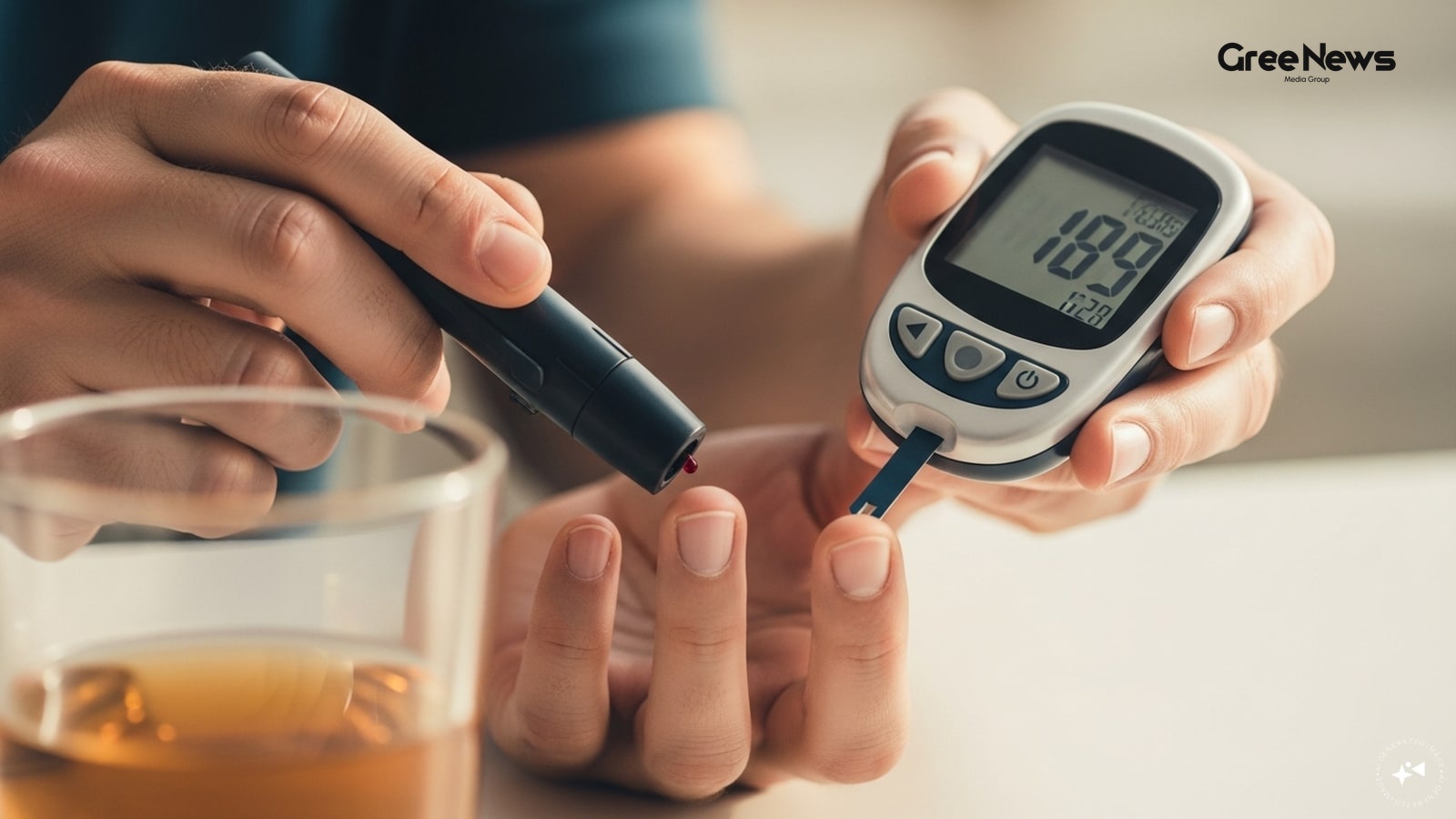
Why I Started Paying Attention to Alcohol and Diabetes
Honestly, I never thought a few sips of wine or a quick shot of rum could mess with my diabetes. It was during a friend’s wedding you know, the usual Indian feast, music, and a little bit of booze flowing when I first felt my sugar spike to double digits. My finger prick showed a number that made me jump. What happened next is interesting: a few hours later, I felt dizzy, shaky, and my glucose had plummeted. That night, I realised I was not dealing with a one‑off thing; it was a pattern.
Since then, I’ve been following the latest news India on health, especially updates about diabetes management. The breaking news on how alcohol interferes with glucose regulation kept popping up on my phone, and I could not ignore it any longer. In most cases, people treat a drink like a harmless treat, but for us diabetics, it can be a risky gamble.
How Alcohol Messes With Your Blood Sugar The Science Made Simple
Let’s break it down without getting too technical. When you drink alcohol, your liver the organ that helps keep blood sugar steady gets busy processing the alcohol first. Think of it like a traffic police officer who suddenly has to handle a big parade; regular traffic (glucose) gets delayed. The liver converts alcohol into a substance called acetaldehyde, and this process uses up the liver’s ability to release stored glucose back into the bloodstream.
So, if you have diabetes and you’re on insulin or oral meds that lower sugar, the liver’s ‘backup plan’ disappears. That’s why you can get a rapid rise right after the drink (because some alcoholic drinks contain carbs, like beer or sweet cocktails) and then a sudden dip a few hours later when the liver can’t release glucose. This caught many people’s attention because it explains those puzzling highs and lows that happen during parties.
In most cases, the timing matters a lot. Drinking on an empty stomach means the liver’s focus shifts entirely to alcohol, leading to a quicker drop in sugar. Conversely, sipping sugary drinks with meals can give an immediate spike, especially if you’re on insulin that was calculated for a meal without alcohol.
Why the Sugar Spike Happens Not All Drinks Are Equal
First, let’s talk about the sweet side. Beer, liqueurs, and even some wines have a decent amount of carbs. A regular pint of lager can have around 12‑15 grams of carbs, which is enough to push your blood sugar up if you’re not counting it. I remember at a cricket match, the vendor offered me a ‘cold beer’, and I thought, “Just one won’t hurt”. Within 30 minutes, my glucometer spiked. Those who follow the trending news India on diabetic diets often mention that carbs in alcohol can be a hidden culprit.
What’s more, the body reacts to the alcohol itself as a stressor, releasing hormones like adrenaline and cortisol. These hormones can cause the liver to release a bit of glucose, adding to the spike. This is why many of my friends who are non‑diabetic also feel a ‘lift’ after a drink it’s the same hormonal surge, just that for us the numbers become dangerous.
Many people believe that ‘dry wine’ is safe because it’s low in sugar. Not entirely true. Even dry wines have residual sugars and can still cause a moderate rise, especially if you drink more than a glass. I tried swapping beer for wine at a family dinner, and my sugar still jumped. The key realisation was that it’s not just the type of drink, but the quantity and the situation that matters.
Why the Dangerous Drop Happens The Dark Side of Drinking
Here’s where the story gets a bit scary. After the initial spike, the liver’s capacity to release glucose diminishes because it’s busy metabolising the alcohol. If you’re on insulin, especially a rapid‑acting type that you’ve taken with your meal, the insulin continues to work even after the alcohol has been processed. Without the liver’s backup glucose, your level can fall sharply sometimes below 70 mg/dL, which is considered hypoglycaemia.
I learned this the hard way during a Diwali gathering. After a few drinks, I took my usual dose of insulin with the sweets. An hour later, while I was chatting with my cousin, I started feeling light‑headed, sweaty, and my hands were trembling. My glucose had dropped to 55 mg/dL. That moment made me realise how a ‘fun night’ can turn into a medical emergency.
Another thing that many don’t know is that the effect can last longer than you think. Alcohol stays in your system for several hours, and the risk of low blood sugar can continue well into the next morning. This is why doctors often advise diabetics to avoid drinking after 8 pm if they need to be up early.
Personal Stories How Alcohol Affected My Everyday Life
Living in a city like Mumbai, social gatherings are part of the routine. From office happy hours at a local bar to family weddings in Pune, alcohol shows up quite often. At first, I tried to ignore the warnings and thought I could handle a ‘few drinks’ without any trouble. What I didn’t anticipate was how my body would react differently each time.
Another incident was at my sister’s engagement. The celebration went on till midnight, and I had a couple of glasses of sweet wine. In the early morning hours, I found myself sweating and confused. I checked my glucometer it read 62 mg/dL. I had to call my brother, who drove me to the nearest clinic. The doctor gave me a quick glucose tablet and reminded me of the importance of monitoring levels before and after drinking.
These episodes made me realise that the risks are not just theoretical; they are part of our daily lives, especially when we’re part of the Indian social fabric where alcohol is often present. The viral news about a celebrity’s health scare after a night of drinking resonated with me because it felt like my own story, just on a bigger stage.
Common Myths About Alcohol and Diabetes Debunking With Simple Facts
Myth 1: “A little wine won’t affect my blood sugar.”
Reality: Even a single glass can contain enough carbohydrates to raise glucose, and the alcohol itself can later cause a drop. If you’re on medication, that little extra can tip the balance.
Myth 2: “Beer is safe because it’s low‑calorie.”
Reality: Beer is actually one of the higher‑carb alcoholic drinks. A standard 330 ml beer can raise your sugar by 15‑20 mg/dL within half an hour.
Myth 3: “I can drink after a heavy meal, so it’s fine.”
Reality: While food does slow alcohol absorption, the liver still prioritises breaking down alcohol over releasing stored glucose. This can still lead to delayed hypoglycaemia, especially if you’re using insulin.
These myths keep popping up on social media, and many people share them as part of the India updates on health. I make a habit of checking reliable sources before I believe something. It’s always better to verify than to rely on hearsay.
Practical Tips to Enjoy a Drink Without Endangering Your Health
Okay, I’m not telling anyone to become a teetotaler. If you enjoy the occasional drink, here are some things that have helped me stay safe:
- Check your blood sugar before you start. Knowing where you’re at gives you a baseline.
- Never drink on an empty stomach. Have a balanced meal with protein, fibre, and a little healthy fat. This slows down alcohol absorption.
- Choose drinks with low carbs. Clear spirits like vodka or gin mixed with soda water are better than sweet cocktails or sugary wine.
- Set a limit. For most people, one to two standard drinks a night is the safe zone. I use the ‘one drink per hour’ rule drink slowly and sip water in between.
- Carry glucose tablets. If you notice any symptoms of low sugar, treat it immediately. It’s better to be prepared than to panic later.
- Monitor after drinking. Keep an eye on your glucometer for at least 6‑8 hours after the last drink. The breaking news often highlights delayed hypoglycaemia as a hidden danger.
- Talk to your doctor. If you plan to have alcohol regularly, ask your doctor to adjust your medication dosage if needed.
Applying these simple steps has made my family gatherings less stressful. My wife now knows to keep a bowl of fresh fruit and some glucose tablets handy whenever we host guests.
When to Seek Medical Help Don’t Ignore the Warning Signs
If you ever feel any of the following after drinking, it’s time to act fast:
- Severe dizziness or fainting
- Confusion or inability to concentrate
- Rapid heartbeat or palpitations
- Profound sweating with a feeling of weakness
- Any symptom that persists for more than a few minutes despite eating or taking glucose
My own experience taught me that sometimes you think a low reading will ‘pass itself’, but it rarely does. If you can’t bring your sugar back to a safe range within 15‑20 minutes, call an ambulance or get to the nearest emergency department. It’s especially important for older adults, pregnant women, or anyone with a history of severe hypoglycaemia.
Wrapping It Up A Balanced Approach to Alcohol and Diabetes
In the end, the key takeaway is that alcohol is a double‑edged sword for diabetics. It can give you a short‑term buzz but may also lead to unpredictable highs and lows that put your health at risk. By staying aware, monitoring your levels, and making smarter drink choices, you can still enjoy social events without jeopardising your wellbeing.
Remember, the latest news India often highlights health stories that resonate with everyday people and this is one of them. If you’re reading this as part of your daily India updates, think about how you can apply these tips tomorrow at that office party or weekend get‑together. Your body will thank you, and you’ll avoid those scary moments that many of us have lived through.
So, next time you raise a glass, ask yourself: “Is this worth the risk?” If the answer is yes, then do it wisely. If not, there’s always a glass of fresh nimbu paani to enjoy with friends.