Why paan has always been more than just a post‑meal chew
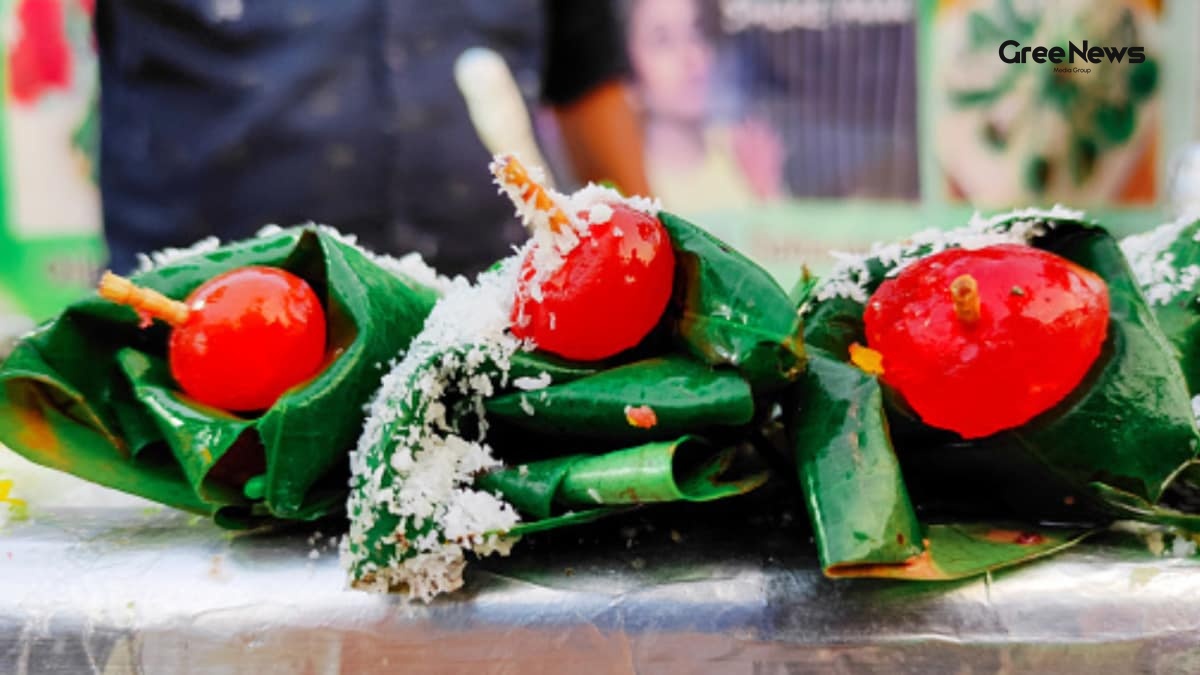
Honestly, whenever I think of paan I go back to my childhood evenings sitting on the veranda, listening to the street vendor’s jingles, and watching my grandparents pop a sweet leaf after dinner. It wasn’t just about the taste; it was a ritual that signalled the end of a hearty meal, a moment to freshen the mouth and share stories. The mix of gulkand, areca nut, and a handful of dry fruits gave a sweet, fragrant finish that still feels nostalgic even today.
In most cases, paan was simply a sweet bite, but it also carried cultural weight. It showed hospitality, marked celebrations, and often became a small “thank you” for a host. This is why in the breaking news circles, you still see references to paan whenever a traditional wedding or festival is covered it’s a cultural anchor.
From street stalls to gourmet kitchens the modern makeover
What happened next is interesting. Over the last few years, the humble leaf has stepped out of the street-side stalls and into the fine‑dining world. I first heard about this when a friend invited me to a rooftop restaurant in Pune that served “smoky paan” as a dessert. The presentation was dramatic a thin leaf laid on a wooden board, a sudden puff of aromatic smoke swirling around it, and the entire table got a hush of curiosity.
That moment was a turning point for me. I realised paan was not just stuck in the past; it was becoming a canvas for chefs who wanted to blend tradition with bold creativity. In the trending news India feeds, you’ll now find posts about “smoky paan experiences” going viral, especially among the younger crowd who love Instagram‑worthy moments.
On the savoury side, herb‑infused paans with cumin, black pepper, and even mint are gaining traction. These are not just random additions they’re carefully balanced to keep the leaf fresh while adding a punch that contrasts the usual sweetness. This shift is evident in many metro cities where street vendors now offer a “savory twist” menu alongside the classic sweet version.
Chef insights a new playground for flavours
Speaking with P.N. Thakur, Founder & CEO of Mast Banarasi Paan, he mentioned, “Paan has always held a unique place in India’s food culture, but today it is being enjoyed in newer and more versatile ways. While experimentation is growing, sweet paan continues to remain the most popular because of flavours like gulkand and dry fruits that bring a sense of nostalgia and comfort.” He added that the key is not to erase the old but to layer new ideas over it.
Mahtab Ansari, Executive Chef at Sayaji Hotel Vadodara, treats paan as “a canvas of culinary evolution, where tradition meets bold creativity.” He told me that his team plays with textures inserting toasted sesame seeds, adding a drizzle of honey‑ginger reduction, and even pairing paan with a scoop of kulfi for a sweet‑savory surprise.
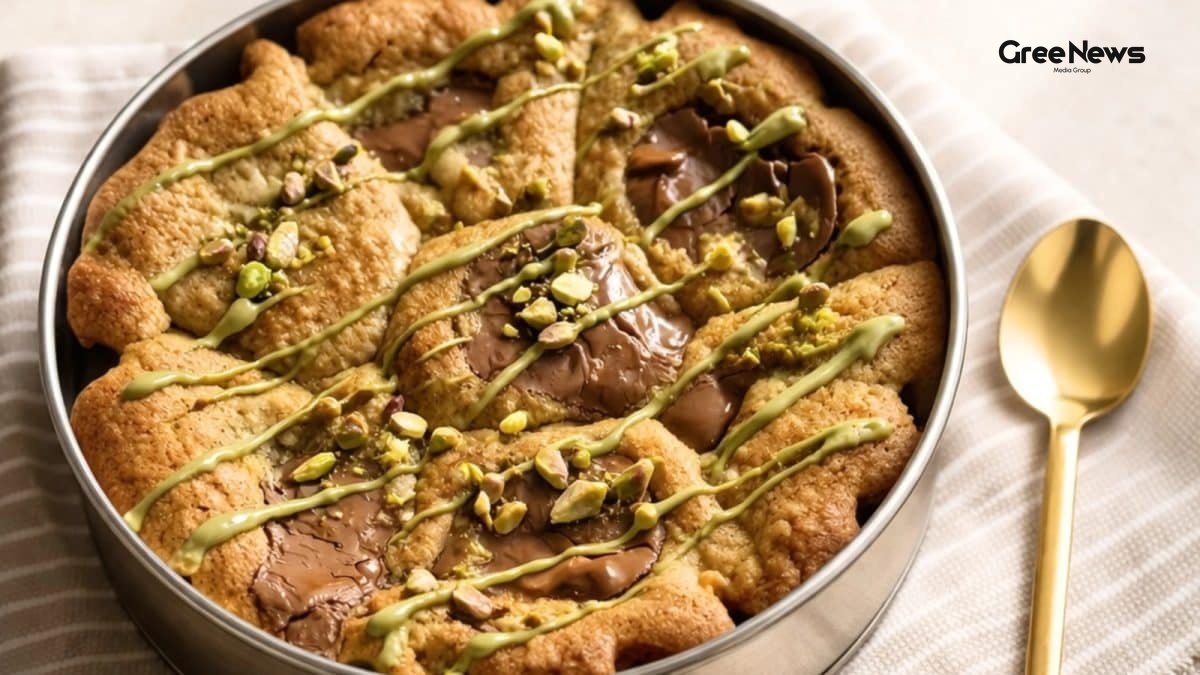
Sunil Singh, Sous Chef at Courtyard by Marriott Pune, emphasized adaptability: “We’re moving beyond just sweet gulkand to explore savoury notes, gentle smokiness, and even dessert‑like flavours with chocolate or dried fruits.” He confessed that his favourite new version is a chocolate‑coated paan served with a dusting of roasted pistachios a combination that many diners called “unexpectedly perfect”.
These chefs say the same thing paan is now a playground where you can experiment without losing its soul. That’s why you’ll see headlines about paan in the latest news India sections of major newspapers, highlighting it as a “food trend to watch”.
Where you can find the new paan from chowpattys to classy lounges
Modern paan is no longer confined to the bustling lanes of Delhi or the roadside stalls of Kolkata. It has found a place in gourmet kitchens, reimagined with finesse and innovation. You can walk into a five‑star hotel lobby and see a paan served on a slate plate, topped with edible gold leaf, while a street vendor nearby still offers the simple sweet version for a few rupees.
In many cafes, paan appears as a palate cleanser after a meal a light, refreshing bite that prepares you for the next course. Some upscale restaurants have even turned it into a plated dessert, arranging the leaf alongside fruit coulis and a drizzle of rose syrup. This dual presence traditional and modern is what makes the story so captivating and why it’s becoming viral news across social media platforms.
When I visited a boutique tea house in Bangalore, the owner explained that their “herbal paan” is paired with a special mint tea, creating a synergy that many customers rave about. He said that people are excited to see something familiar yet totally new.
What the future holds more experiments, same love
Looking ahead, I think we’ll see even more cross‑cultural mash‑ups. Imagine a paan infused with South Indian spices like curry leaves and mustard seeds, or a chocolate‑filled paan inspired by global desserts. The possibilities seem endless, and that sense of endlessness is what keeps the conversation alive in the trending news India streams.
Many food bloggers predict that paan could become a staple in fusion menus, especially as chefs keep pushing the boundaries. Yet, the core that sweet, fragrant leaf that has comforted generations will always remain. It’s this balance that keeps the tradition alive while allowing for fresh, exciting twists.
In most cases, the evolution isn’t about discarding the old, but about giving it a new stage. As more people share their paan experiences online, the trend keeps gaining momentum, turning each new version into a piece of breaking news for food enthusiasts across the nation.