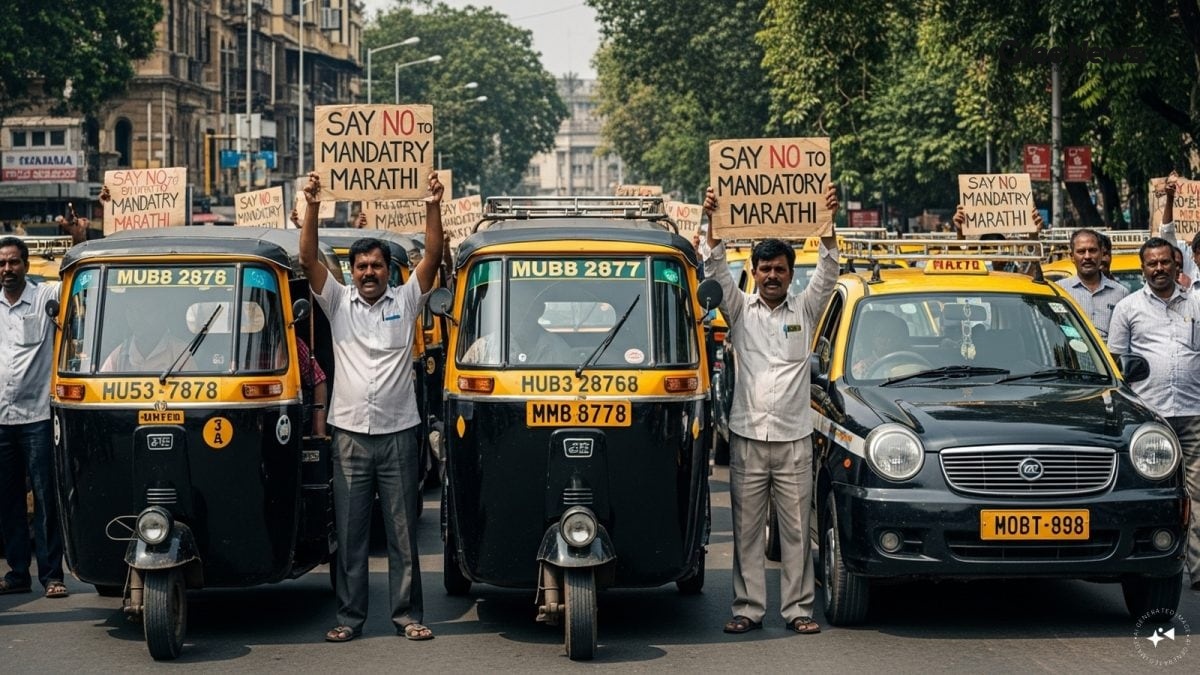
‘Marathi For Drivers’ Protest: Go ahead, it makes no difference, MNS leader Amit Thackeray said, and warned that any protest against Marathi drivers would be met with retaliation.
So, you’ve probably heard the talk buzzing across the city a new rule saying every auto‑rickshaw and taxi driver in Maharashtra has to speak Marathi. It’s not just a piece of paperwork; it’s turning into a full‑blown street drama. The Maharashtra Navnirman Sena, usually seen with banners and loud slogans, suddenly turned into a mobile classroom. They set up makeshift Marathi lessons right beside traffic lights, near the busy bus depots, and even outside the popular app‑based driver hubs.
What’s funny (or maybe a bit ironic) is how quickly the scene shifted from protest chants to chalkboards and flashcards. As I was waiting for a cab near Andheri, I saw a group of MNS volunteers spreading out mats, writing Marathi alphabets on them, and guiding a cluster of drivers through basic phrases. It felt like a community fair more than a political stunt, but the tension was still simmering underneath, especially when you hear the name Amit Thackeray coming up in every conversation.
Why the State Insists on Marathi for All Drivers
Transport Minister Pratap Sarnaik has been very clear about the motive behind this rule. He says it’s the state’s responsibility to make sure every commuter can talk to their driver in Marathi, the local language. He points to an ongoing headache: passengers who only speak Marathi often get into disputes with drivers who only know Hindi. In some cases, these misunderstandings have even led to FIRs being filed. The minister’s argument sounds reasonable when you think of a mother in Pune trying to tell a driver about a sudden change in her route, only to be met with a blank stare.
According to the minister, the rule also covers drivers working with app‑based services like Rapido, Ola, Uber, and bike‑taxis. That means even the young tech‑savvy crowd who pick up passengers via an app have to learn Marathi. It’s a massive effort, especially considering how many drivers come from out‑of‑state backgrounds.
This part of the story has become one of the breaking news topics across the country, with people scrolling through their phones, searching for the latest updates on how this will affect daily commutes.
What’s Happening on the Streets? MNS Steps In
On the ground, MNS leaders and workers have started setting up informal Marathi classes beside the busy roads of Mumbai. These sessions are aimed primarily at the large number of drivers who migrated from Bihar and Uttar Pradesh but have been plying their trade in the city for years. You’ll hear them chanting “Maharashtra ki shaan, hamari bhasha ka maan” while holding up simple worksheets.
At the same time, the volunteers are plastering posters on the sides of auto‑rickshaws that read “Driver knows Marathi”. In some localities like Goregaon, you’ll see boards on the hoods that proudly proclaim “I Know Marathi”. It’s a visual statement meant to reassure passengers that they’ll be able to converse with their driver in the mother tongue.
Watching this unfold, I can’t help but think about how everyday the city becomes a classroom. A passenger waiting at a bus stop might see a driver practising Greetings, or a vendor near a railway station might pause their sale to listen to a driver repeat the phrase “Namaskar, kasa aahe tumcha?” The whole vibe feels like a grassroots language campaign, though the political undertone is never far away.
What happened next is interesting the community reaction was mixed. Some drivers appreciated the effort and said they were happy to learn, while others felt they were being forced into a new linguistic box. This split has become a trending news India point, with social media threads lighting up with memes, jokes, and serious debates.
Flashpoints of Tension: Mira Bhayandar Incident
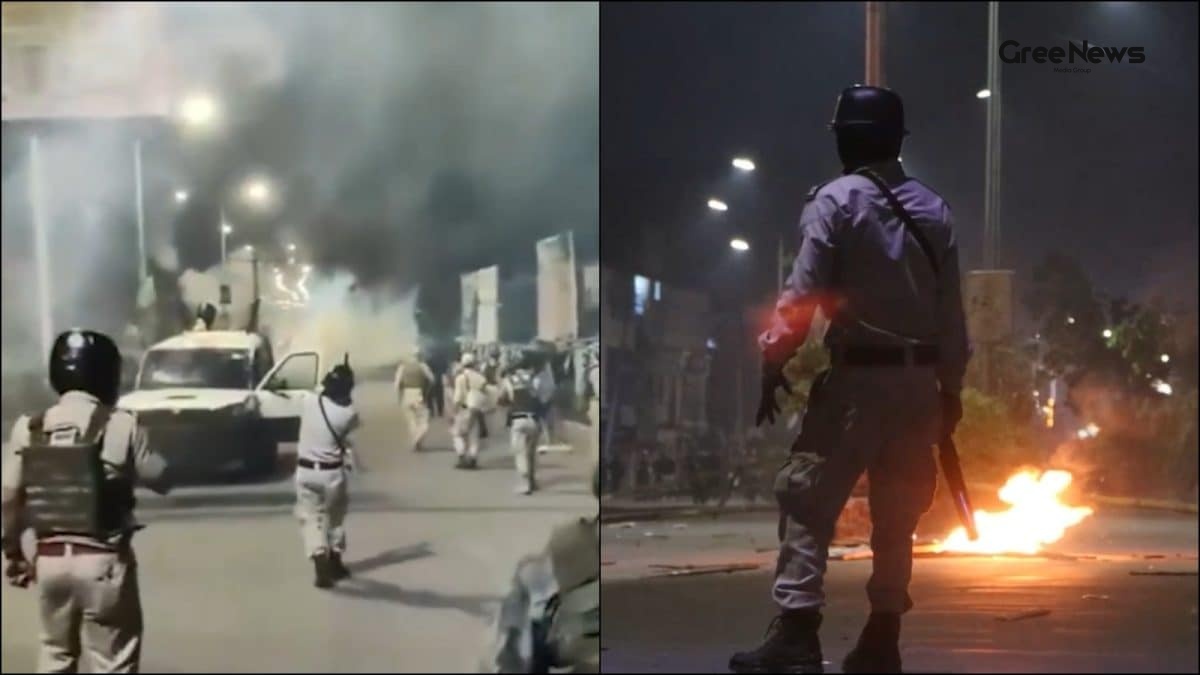
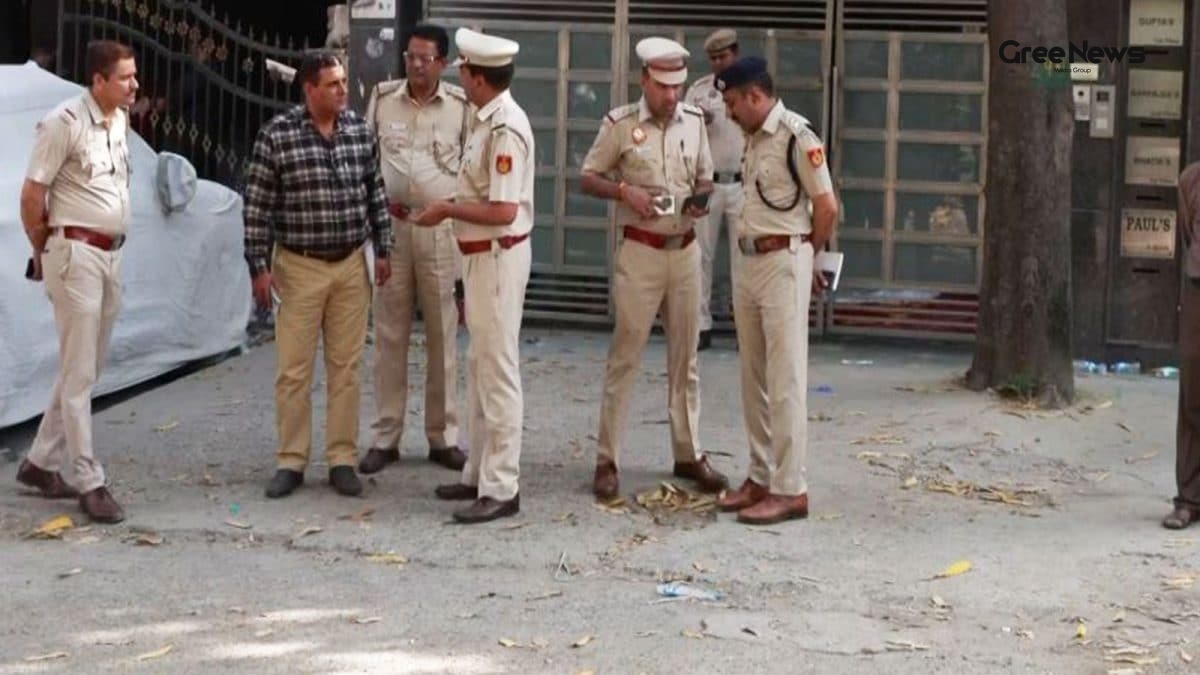
One of the flashier clashes happened in Mira Bhayandar. MNS workers staged a fierce protest during a meeting where advocate Gunaratna Sadavarte was addressing auto union officials about driver grievances. The protest quickly turned into a heated standoff, with police stepping in and detaining several MNS activists.
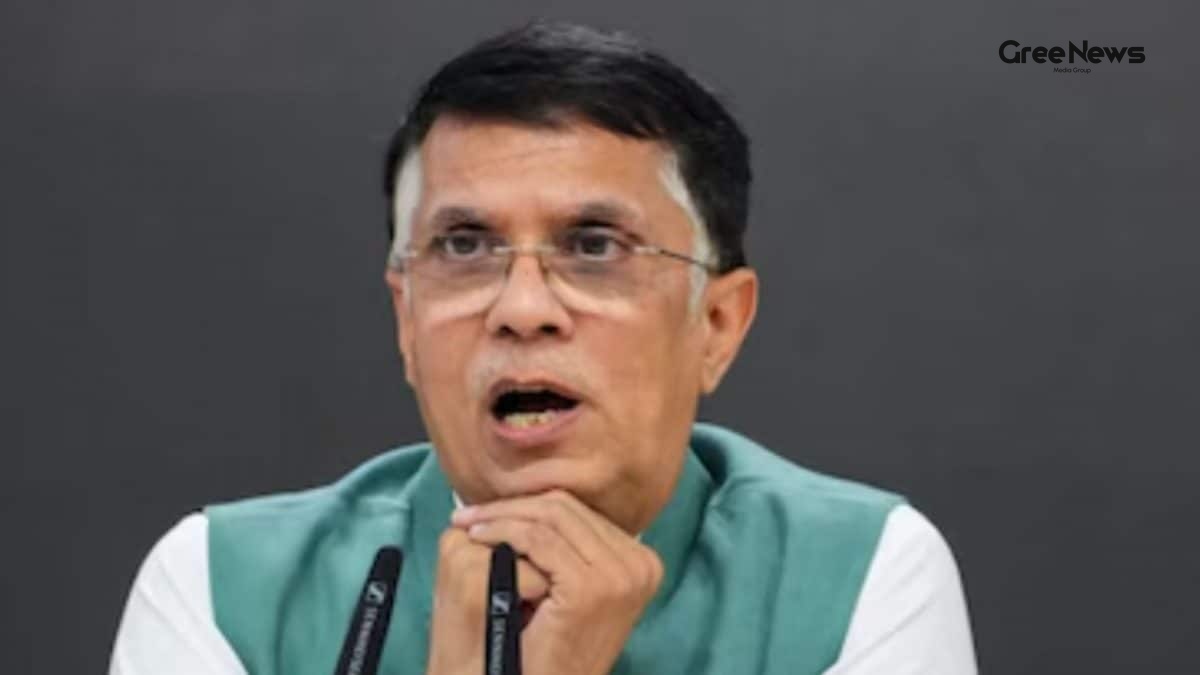
In the heat of the moment, Amit Thackeray came out with a blunt statement, saying, “Go ahead, it makes no difference,” dismissing the threat of a strike by non‑Marathi drivers. He also warned that any aggressive protest against Marathi drivers would be met with retaliation. That line spread like wildfire across the city’s WhatsApp groups and became a piece of viral news that many were sharing with a mix of fear and fascination.
Many people were surprised by this defiant tone, especially because it seemed to signal that the MNS was ready to take a hard‑line stance, even if it meant more street confrontations. The incident highlighted how the language issue is now intertwined with political power plays and public order concerns.
Union Backlash Threats of Strikes and Corruption Fears
Opposition isn’t limited to street protests. Auto Rickshaw and Taximen Union president Shashank Rao has threatened a statewide protest if the rule isn’t withdrawn. He’s been vocal about the potential impact on drivers’ earnings and daily life. In the same vein, KK Tiwari of the BJP‑aligned Taxi‑Rickshaw Aghadi warned that the rule could become a channel for corruption, with certificates allegedly being issued for money rather than merit.
On the ground, I spoke to drivers like Ramesh Yadav, a taxi driver originally from Uttar Pradesh. He told the Free Press Journal that they are willing to learn Marathi, but they need assurance that their livelihood won’t be jeopardised while they are in the learning phase. He mentioned the fear of losing rides if passengers think they’re not fluent enough, which is a genuine concern for many who depend on daily fares.
This unrest has made its way into the daily headlines, becoming a piece of the trending news India circuit. The story is being referenced in various forums discussing workers’ rights, language preservation, and the role of the state in regulating the transport sector.
Political Opinions A Split Within the Ruling Camps
The political arena is buzzing with differing opinions. Shiv Sena (UBT) MP Sanjay Raut has backed the mandate, arguing that protesting against it is tantamount to disrespecting the state’s language and the employment opportunities it offers. He’s been seen making statements in the media, emphasizing the cultural importance of Marathi.
Conversely, former Shiv Sena MP Sanjay Nirupam has urged a rethink, suggesting that language promotion should happen through encouragement and incentives, not through intimidation. This internal disaGreement within the ruling coalition adds another layer of complexity to the whole debate.
The split in the political narrative is being spotted by analysts as a sign that the issue could become a long‑term political battleground, especially as the deadline for implementing the rule draws near.
What the Future Holds Streets vs Classrooms
With the implementation day fast approaching, the streets of Mumbai are likely to keep echoing with both hopeful chants and angry protests. Drivers are seen clutching notebooks, while activists hold placards demanding either a rollback or a more supportive learning framework.
Many commuters are watching closely, wondering if their next ride will involve a driver giving directions in fluent Marathi or stumbling over a phrase. The whole scenario feels like a live experiment, and it’s becoming a piece of India updates that families across the state discuss over chai.
What’s clear is that the state’s intention to make Marathi a common tongue for drivers is not just a bureaucratic decision it’s influencing daily interactions, political calculations, and community dynamics. As the story continues to develop, it remains one of the most watched pieces of breaking news in the country, with every new class, protest, or comment adding another twist to this unfolding saga.